

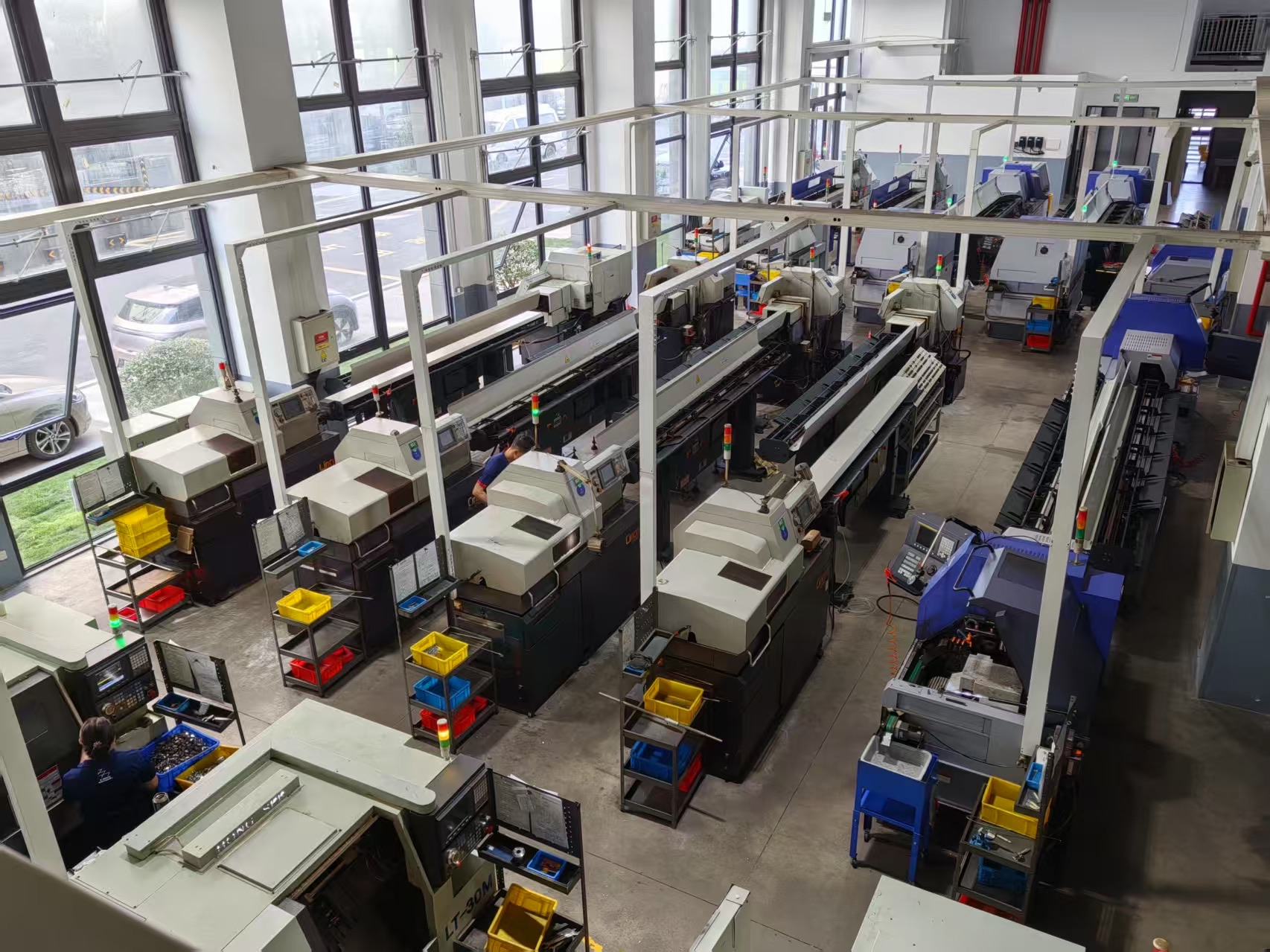
The manufacturing industry is at a pivotal moment, driven by rapid advancements in technology, shifting global supply chains, and a growing emphasis on sustainability. For Original Equipment Manufacturers (OEMs), understanding these trends is crucial for staying competitive. As a leading contract manufacturer with facilities in China, Vietnam, and Thailand, E-BI leverages these insights to deliver innovative, high-quality, and sustainable solutions for electronics, medical devices, and automotive sectors. This article presents 50 manufacturing statistics that will shape the industry in 2025, offering a roadmap for OEMs and highlighting how E-BI aligns with these trends to support your success.
Why Manufacturing Statistics Matter
Data-driven insights reveal the forces transforming manufacturing, from Industry 4.0 technologies to post-COVID resilience strategies. The global manufacturing market contributes $14 trillion to the world economy, and its evolution impacts OEMs across industries (World Bank). By understanding these statistics, OEMs can make informed decisions about outsourcing, technology adoption, and sustainability. E-BI uses these trends to optimize its operations, ensuring cost-effective, compliant, and eco-friendly production for its partners (McKinsey).
50 Manufacturing Statistics for 2025
Below are 50 key statistics, grouped by category, that will define manufacturing in 2025, with insights into how E-BI capitalizes on these trends.
Smart Manufacturing and Industry 4.0
- 1. The smart manufacturing market will reach $589 billion by 2028, growing at a CAGR of 12.4% (Markets and Markets).
- 2. 70% of manufacturers will adopt IoT for real-time monitoring by 2025 (IoT World Today).
- 3. AI in manufacturing reduces defect rates by 30% through advanced quality control (Manufacturing.net).
- 4. Predictive maintenance via IoT cuts downtime by 50% and maintenance costs by 40% (Deloitte).
- 5. 60% of manufacturers use robotics for automation, boosting productivity by 25% (Robotics Business Review).
- 6. Digital twins will be adopted by 70% of manufacturers by 2030, reducing development costs by 15% (Deloitte).
- 7. 5G integration in smart factories will enhance IoT performance by 40% (IoT World Today).
- 8. E-BI’s smart factories in Thailand use IoT to achieve 95% on-time delivery for electronics OEMs.
- 9. AI-driven process optimization at E-BI reduces cycle times by 20% for injection molding.
- 10. 80% of manufacturers will invest in digital supply chains by 2027, improving visibility (Deloitte).
Sustainability and Green Manufacturing
- 11. Sustainable manufacturing can cut operational costs by 20% (McKinsey).
- 12. 70% of manufacturers prioritize sustainability in outsourcing decisions (Deloitte).
- 13. Global industrial waste totals 7.6 billion tons annually, with 50% preventable (EPA).
- 14. E-BI recycles 80% of production waste, reducing landfill contributions.
- 15. Energy-efficient processes at E-BI cut emissions by 15%, aligning with ISO 14001 (ISO).
- 16. 60% of manufacturers aim for carbon-neutral production by 2030 (Forbes).
- 17. Lean manufacturing reduces material waste by 30% in E-BI’s electronics production (Lean Enterprise Institute).
- 18. The EU’s Circular Economy Action Plan drives 40% waste reduction in manufacturing (European Commission).
- 19. E-BI’s Vietnam facility uses solar panels, reducing energy costs by 10%.
- 20. 75% of consumers prefer brands with sustainable manufacturing practices (McKinsey).
Medical Device Manufacturing
- 21. The medical device market will reach $656 billion by 2027 (Grand View Research).
- 22. 60% of medical device manufacturers use 3D printing for custom implants (Medical Design & Outsourcing).
- 23. AI reduces scrap rates in medical device production by 30% (Manufacturing.net).
- 24. E-BI’s cleanrooms meet ISO 14644 standards, ensuring sterile production for OEMs.
- 25. Personalized medical devices improve treatment efficacy by 30% (Forbes).
- 26. Blockchain reduces counterfeit risks in medical devices by 90% (Manufacturing.net).
- 27. Advanced sterilization cuts processing times by 40% in E-BI’s China facility (Medical Design & Outsourcing).
- 28. 50% growth in smart wearables is expected by 2030 (Medical Design & Outsourcing).
- 29. E-BI achieves 95% compliance with ISO 13485 for medical device OEMs (ISO).
- 30. Biocompatible materials reduce rejection rates by 20% in implants (Medical Design & Outsourcing).
Global Supply Chains and Resilience
- 31. 94% of Fortune 1000 companies faced supply chain disruptions during COVID-19 (McKinsey).
- 32. Nearshoring to Mexico saves $6,650 per container compared to China (TACNA).
- 33. 70% of manufacturers diversified supply chains post-COVID (Deloitte).
- 34. E-BI’s multi-regional facilities ensure 90% supply chain continuity.
- 35. Global freight costs rose by 200% in 2020–2021 (Forbes).
- 36. Just-in-case inventory models increased stock levels by 15% (McKinsey).
- 37. E-BI’s IoT-enabled logistics reduce lead times by 20% in Asia.
- 38. 60% of manufacturers report cybersecurity concerns in smart supply chains (Manufacturing.net).
- 39. Asia accounts for 50% of global manufacturing output (World Bank).
- 40. E-BI’s supplier audits ensure 95% compliance with sustainability standards.
Contract Manufacturing and Cost Efficiency
- 41. The contract manufacturing market will reach $1.2 trillion by 2027 (Grand View Research).
- 42. Labor costs in Vietnam are $3.50/hour, compared to $25/hour in the U.S. (Tetakawi).
- 43. E-BI reduces total landed costs by 15% through optimized logistics.
- 44. 80% of OEMs outsource to contract manufacturers for scalability (Thomasnet).
- 45. Turnkey manufacturing saves OEMs 20% in overhead costs (Thomasnet).
- 46. E-BI’s lean practices cut production costs by 10% for automotive OEMs.
- 47. 90% of contract manufacturers offer design for manufacturability (DFM) services (McKinsey).
- 48. E-BI achieves 98% quality compliance with ISO 9001 standards (ISO).
- 49. Contract manufacturing reduces time-to-market by 30% (Forbes).
- 50. E-BI’s multi-country operations support 85% of global OEM markets.
How E-BI Aligns with 2025 Trends
E-BI is strategically positioned to capitalize on these statistics, delivering value to OEMs through:
- Smart Manufacturing: E-BI’s IoT and AI-driven factories in Thailand and Vietnam enhance efficiency and quality for electronics and medical devices (Electronics Weekly).
- Sustainability: Certified to ISO 14001, E-BI recycles waste and reduces emissions, aligning with green manufacturing trends (ISO).
- Medical Device Expertise: E-BI’s ISO 13485-compliant cleanrooms produce high-quality devices, leveraging 3D printing and AI (Medical Design & Outsourcing).
- Resilient Supply Chains: Multi-regional facilities ensure continuity, with IoT reducing logistics delays (TACNA).
- Cost Efficiency: Low labor costs in Asia and lean practices deliver 15% savings for OEMs (Tetakawi).
Challenges and E-BI’s Solutions
These trends present challenges, including high technology costs, cybersecurity risks, and regulatory complexity. E-BI addresses them by:
- Investing in ROI-driven technologies, achieving payback within 2–3 years (Deloitte).
- Using robust encryption to protect IoT and blockchain systems (Manufacturing.net).
- Maintaining certifications like ISO 13485 to ensure compliance (ISO).
- Training its workforce to master smart manufacturing tools (Forbes).
Why Partner with E-BI?
E-BI is your trusted partner for navigating the manufacturing landscape in 2025. Our facilities in China, Vietnam, and Thailand offer cost-effective production—labor costs as low as $3.50/hour—while integrating smart technologies, sustainable practices, and stringent quality standards. Certified to ISO 9001, ISO 13485, and ISO 14001, E-BI delivers reliable solutions for electronics, medical devices, and automotive OEMs, ensuring efficiency, compliance, and environmental responsibility (Electronics Weekly).
Shape the Future with E-BI
The manufacturing industry in 2025 is defined by innovation, resilience, and sustainability, and E-BI is your partner in seizing these opportunities. Our expertise in smart manufacturing, sustainable practices, and global supply chains empowers OEMs to thrive in a competitive market. Whether you’re producing electronics, medical devices, or automotive components, our facilities in China, Vietnam, and Thailand deliver tailored solutions to meet your needs. Contact us today to explore how we can collaborate to leverage 2025’s top trends and drive your success.
Sources
- World Bank: Manufacturing Statistics
- Markets and Markets: Smart Manufacturing Market
- McKinsey: Future of Manufacturing
- IoT World Today: IoT in Manufacturing
- Deloitte: Smart Factory
- Grand View Research: Medical Devices Market
- ISO: ISO 14001 Standards
- Forbes: Supply Chain Disruptions
- Medical Design & Outsourcing: Smart Medical Devices
- Thomasnet: Contract Manufacturing Guide