

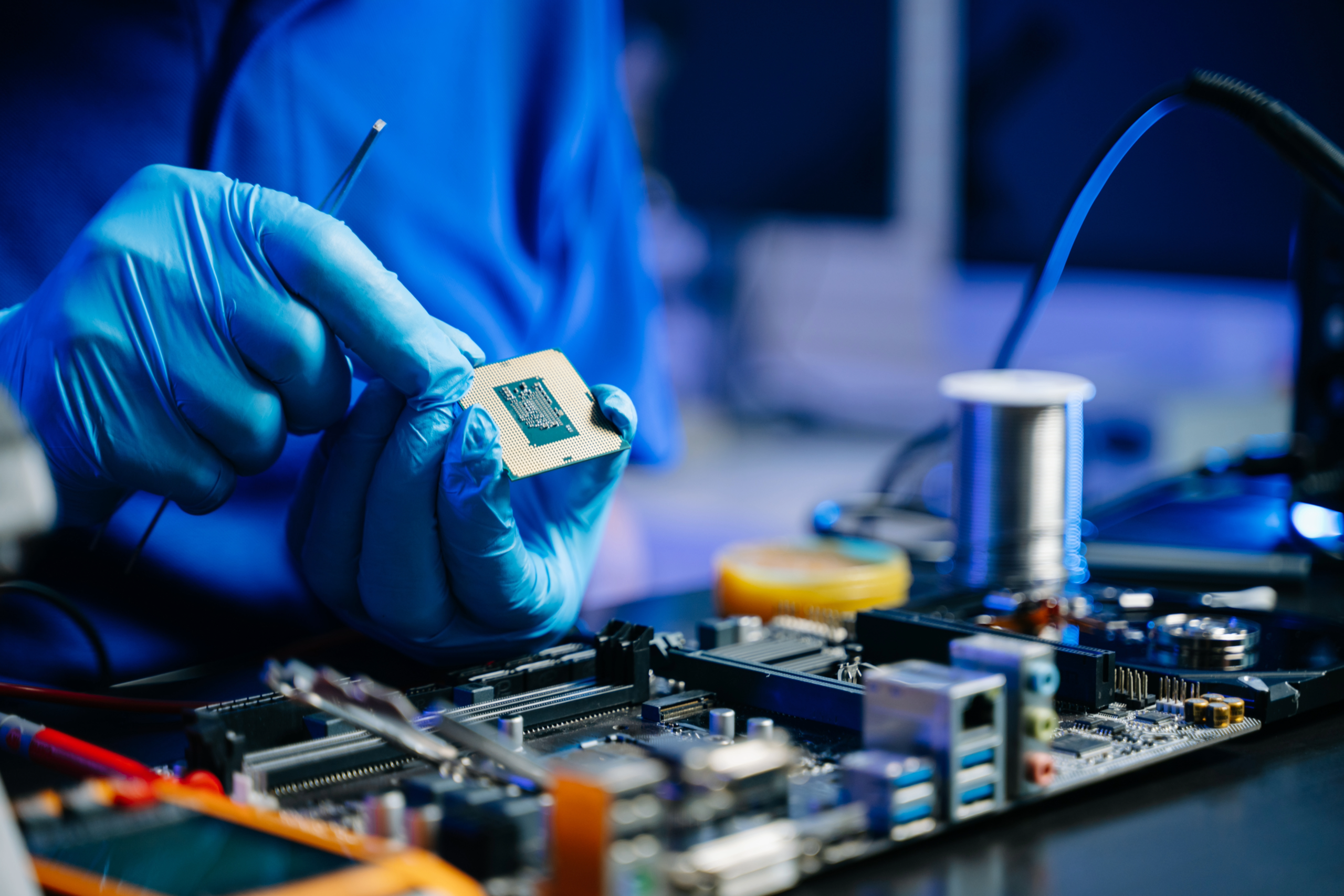
Industrial environments expose electronics to extreme temperatures, vibration, dust, oil mist, humidity, and corrosive chemicals—conditions that quickly destroy standard commercial-grade assemblies. Durable electronics are therefore essential for PLCs, motor drives, HMI panels, vision systems, and robotic controllers that must operate reliably for 10–15 years. E-BI specializes in building rugged electronic assemblies in its IATF 16949 and ISO 9001-certified facilities across China, Vietnam, and Thailand. This article outlines the key engineering and manufacturing strategies used to create electronics that survive—and thrive—in the harshest industrial settings.
Typical Harsh Environment Stressors
Industrial electronics face simultaneous stresses that compound failure risk:
- Temperature cycling: −40 °C to +85 °C (sometimes +105 °C near motors)
- Vibration & shock: 5–2000 Hz, 10–50 g
- Dust & particulates: IP65–IP67 ingress protection required
- Humidity & condensation: 95 % RH non-condensing
- Oil mist, cutting fluids, and corrosive gases
- High-voltage transients and electrical noise
Standard consumer-grade PCBAs fail rapidly under these conditions; industrial-grade designs require deliberate hardening at every level Jabil.
Component Selection & Derating
E-BI uses automotive- and industrial-rated components (AEC-Q100/200, wide-temperature grade) and applies conservative derating:
- Capacitors: 50 % voltage derating, X7R or better dielectrics
- Resistors: 50 % power derating
- Connectors: 10,000+ mating cycles, gold-plated contacts
- MCUs & power ICs: −40 °C to +105 °C rated
Board-Level Hardening Techniques
Key techniques include:
- Conformal coating (acrylic, silicone, urethane, or parylene) for moisture & chemical protection
- Selective potting of sensitive areas (connectors, high-voltage sections)
- Underfill/underencapsulation of BGAs and chip-scale packages
- Stiffener bars and mechanical reinforcement for vibration
- Thermal vias, copper planes, and heat spreaders for thermal management
Enclosure & Cable Solutions
Electronics are rarely exposed directly. E-BI designs and assembles:
- IP66/67 die-cast aluminum or stainless steel enclosures
- High-flex robotic cables with drag-chain qualification
- M12, M8, and Harting Han connectors rated for harsh environments
E-BI’s Rugged Electronics Manufacturing Capabilities
E-BI’s facilities are optimized for industrial-grade electronics with features tailored to harsh-environment requirements.
Environmental Testing & Validation
Every rugged design undergoes:
- Thermal cycling (−40 °C to +85 °C, 1,000 cycles)
- Random vibration (5–2000 Hz, 10 g RMS)
- Shock (50 g, 11 ms half-sine)
- IP65/67 ingress testing
- Salt-fog & corrosive-gas exposure (optional)
Testing is performed in-house or at accredited third-party labs.
Regional Manufacturing Advantages
China provides rapid access to industrial-rated components and high-mix capability. Vietnam and Thailand deliver cost-competitive, high-volume capacity with short shipping times to Europe and North America IndustryWeek.
Challenges in Rugged Electronics Manufacturing
Key challenges include:
- Balancing ruggedness with cost and size constraints
- Managing thermal expansion mismatches in coated/potted assemblies
- Ensuring long-term reliability of conformal coatings in oil/chemical exposure
- Maintaining signal integrity in high-vibration environments
E-BI mitigates these through material compatibility testing, accelerated life testing (HALT/HASS), and design-for-reliability reviews Wiley.
Powering Harsh-Environment Automation with E-BI
Durable electronics are essential for reliable operation in the harshest industrial environments. E-BI’s manufacturing expertise in China, Vietnam, and Thailand delivers rugged, high-reliability assemblies that withstand vibration, temperature extremes, dust, and chemicals—enabling uninterrupted automation.
For companies building PLCs, drives, HMIs, vision systems, or robotic controllers that must survive years of abuse on the factory floor, partnering with E-BI provides a strategic advantage. Our proven ruggedization techniques and regional strengths ensure your electronics perform reliably where it matters most. Connect with E-BI today to build electronics that endure the toughest industrial conditions.