

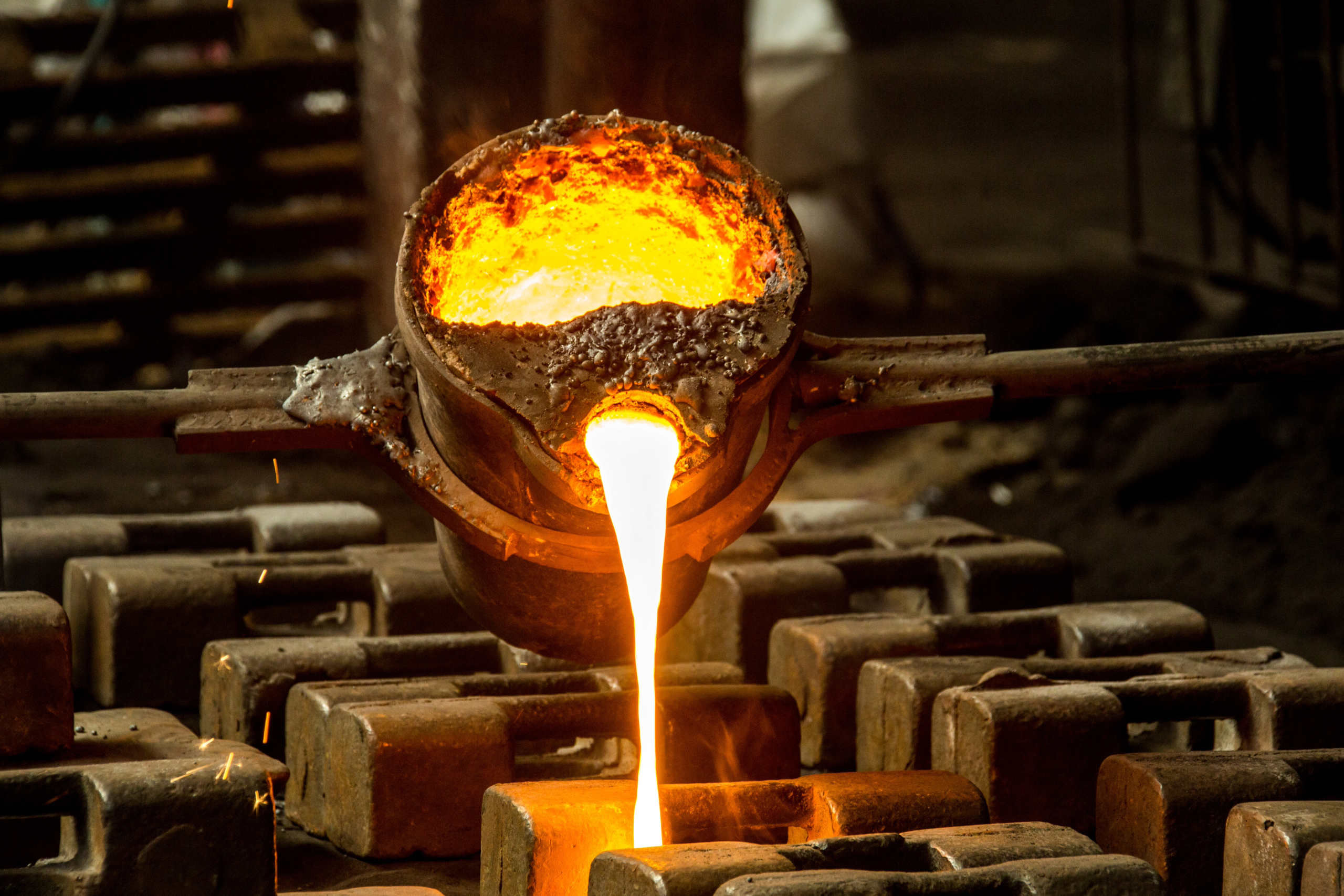
Autonomous robotics relies on robust, high-precision components to perform complex tasks in industries like manufacturing, healthcare, and logistics. Casting processes, such as die casting and investment casting, are critical for producing durable, scalable robotic components like chassis and structural parts. As a global leader in technical manufacturing, E-BI leverages its facilities in China, Vietnam, and Thailand to deliver high-quality casted parts that power robotics innovation. This article explores the roles of die casting and investment casting in robotics and how E-BI’s expertise helps manufacturers choose the right process.
The Role of Casting in Robotics
Casting involves pouring molten material into molds to create complex, durable components. The global robotics market, valued at USD 40.1 billion in 2023, is projected to grow at a CAGR of 15.2% through 2030, driven by demand for scalable automation solutions Grand View Research. Die casting and investment casting are key processes for producing robotic components, offering distinct advantages in strength, precision, and scalability.
Die Casting: High-Volume Strength
Die casting uses high-pressure injection of molten metal, typically aluminum or zinc, into reusable steel molds to produce strong, lightweight components. It’s ideal for high-volume production of robotic chassis, motor housings, and structural parts, offering excellent dimensional accuracy and surface finish Jabil. For example, die-cast aluminum chassis are used in industrial robots for their strength-to-weight ratio.
Investment Casting: Precision for Complex Geometries
Investment casting, or lost-wax casting, creates intricate components by pouring molten metal into ceramic molds formed around wax patterns. It excels at producing complex, high-precision parts like robotic joints and gears, where tight tolerances and detailed geometries are critical Manufacturing Tomorrow. This process is suited for low-to-medium volume production of specialized components.
Choosing the Right Casting Process
Die casting is preferred for high-volume, cost-effective production, while investment casting is ideal for complex, low-volume parts requiring high precision. The choice depends on factors like production volume, component complexity, and material requirements Assembly Magazine.
E-BI’s Casting Expertise
E-BI’s manufacturing facilities in China, Vietnam, and Thailand are equipped with advanced casting technologies, including high-pressure die casting and precision investment casting, to deliver robust robotic components. Our expertise ensures quality, scalability, and material optimization.
Die Casting Capabilities
Our high-pressure die casting systems produce consistent, lightweight components with tolerances as tight as 0.05 mm. We optimize mold design and material flow to minimize defects, ensuring durable chassis and housings for robotics applications like industrial automation The Robot Report. Automated quality control verifies component strength and accuracy.
Investment Casting Precision
Our investment casting processes create intricate components with complex geometries, ideal for robotic joints and gears. We use advanced ceramic molds and materials like stainless steel and titanium to achieve high precision and durability Foundry Management & Technology. Post-processing ensures smooth surfaces and tight tolerances.
Regional Manufacturing Strengths
China’s advanced foundry ecosystem provides access to cutting-edge casting technologies and skilled engineers, driving innovation. Vietnam and Thailand offer cost-effective production and robust supply chains, enabling E-BI to deliver scalable casting solutions for global robotics brands IndustryWeek.
Challenges in Casting for Robotics
Casting for robotics faces challenges, including material selection, cost management, and integration with IoT systems. High-strength materials like titanium increase costs, while complex designs require precise mold engineering Wiley. IoT integration adds complexity, requiring casted parts to accommodate sensors and modules Automation World.
Overcoming Casting Challenges
E-BI addresses these challenges through optimized material selection, balancing cost and performance with alloys like aluminum. Our advanced mold design and simulation reduce production costs, while our expertise in IoT integration ensures casted components support smart robotics functionalities.
Powering Robotics with E-BI
Die casting and investment casting are critical for producing robust, scalable robotic components, enabling high-performance autonomous systems. E-BI’s manufacturing expertise in China, Vietnam, and Thailand delivers high-quality casted parts that meet the demands of robotics innovation.
For robotics manufacturers choosing between die casting and investment casting, partnering with E-BI offers a strategic advantage. Our advanced casting capabilities and regional strengths can deliver tailored solutions with precision and scalability. Connect with E-BI today to power the future of robotics.
Sources
- Grand View Research: Robotics Technology Market
- Jabil: Robotics Manufacturing Trends
- Manufacturing Tomorrow: Casting in Robotics Production
- Assembly Magazine: Casting Processes for Robotics
- The Robot Report: Casting for Robotics Components
- Foundry Management & Technology: Casting for Robotics
- IndustryWeek: Casting in Robotics
- Wiley: Casting Challenges in Robotics
- Automation World: IoT in Robotics Casting