

Autonomous robotics is revolutionizing industries, from manufacturing to healthcare, by enabling machines to perform complex tasks with minimal human intervention. At the heart of this transformation lies precision manufacturing, encompassing techniques like CNC machining and casting, which deliver the high-quality components essential for robotic functionality. As a global leader in technical manufacturing, E-BI powers this revolution with advanced production capabilities in China, Vietnam, and Thailand. This article explores how CNC and casting drive autonomous robotics and how E-BI’s expertise fuels innovation in this dynamic field.
The Role of Precision Manufacturing in Autonomous Robotics
Autonomous robots rely on intricately designed components to achieve precision, durability, and efficiency. The global robotics market is projected to reach USD 74.1 billion by 2026, growing at a CAGR of 17.4% from 2021, driven by demand for automation Grand View Research. Precision manufacturing techniques like CNC machining and casting are critical for producing the gears, joints, and structural parts that enable robots to navigate, manipulate objects, and process data in real time.
CNC Machining: Precision at the Core
Computer Numerical Control (CNC) machining uses computer-controlled tools to shape metal or plastic components with tolerances as tight as 0.001 mm. This precision is vital for robotic joints, gears, and frames, ensuring smooth movement and reliability Jabil. For example, CNC-machined parts in robotic arms enable precise movements for tasks like assembly or surgery.
Casting: Scalable Strength
Casting processes, such as die casting and investment casting, create complex, durable components by pouring molten material into molds. These techniques are ideal for producing robotic chassis and housings, offering strength and scalability for high-volume production Manufacturing Tomorrow. Die casting, for instance, is used for lightweight aluminum frames in service robots.
Combining CNC and Casting
CNC machining and casting complement each other in robotics manufacturing. CNC provides unparalleled precision for intricate parts, while casting enables cost-effective production of larger components. Together, they ensure robots are both high-performing and scalable Assembly Magazine.
E-BI’s Manufacturing Expertise
E-BI’s facilities in China, Vietnam, and Thailand leverage advanced CNC and casting technologies to produce components that meet the stringent demands of autonomous robotics. Our expertise spans material selection, precision machining, and quality control, ensuring reliable performance.
Advanced CNC Capabilities
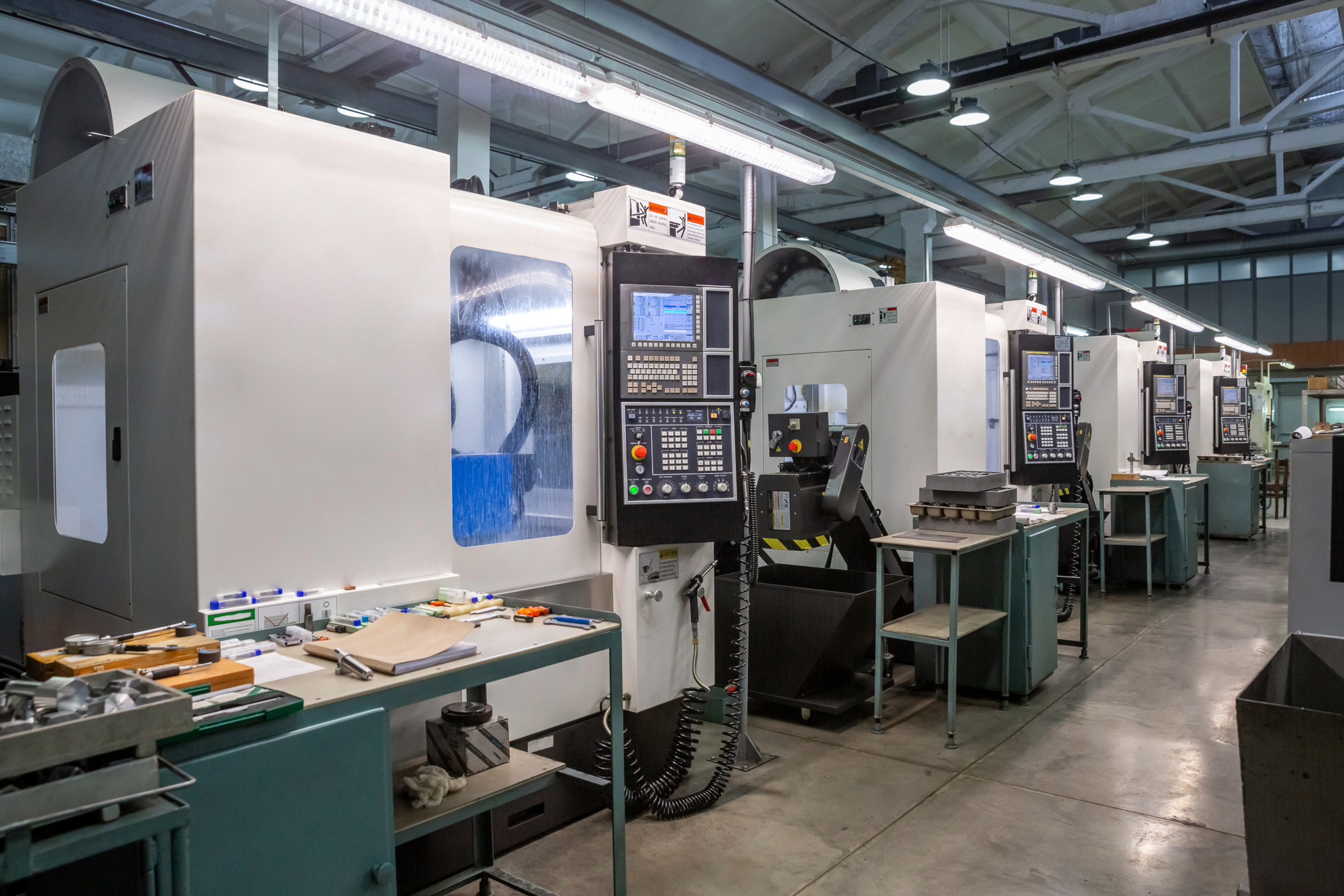
Our state-of-the-art CNC machines deliver high-tolerance components for robotic joints, gears, and sensors. We use multi-axis machining to create complex geometries, ensuring robots achieve precise movements and durability The Robot Report. Rigorous quality checks ensure compliance with industry standards.
Scalable Casting Solutions
E-BI’s casting capabilities include die casting for lightweight, high-strength parts and investment casting for intricate designs. Our facilities optimize mold design and material flow to produce consistent, defect-free components, ideal for robotic chassis and structural elements Foundry Management & Technology.
Regional Manufacturing Strengths
China’s advanced manufacturing ecosystem, with access to cutting-edge CNC and casting technologies, drives innovation in robotics components. Vietnam and Thailand offer cost-effective production and robust supply chains, enabling E-BI to meet global demand with scalability and efficiency IndustryWeek.
Challenges in Robotics Manufacturing
Manufacturing for autonomous robotics faces challenges, including material selection, cost control, and scalability. High-precision components require expensive materials like titanium, while complex designs can increase production costs Wiley. Additionally, ensuring interoperability with IoT systems adds complexity Automation World.
Overcoming Manufacturing Hurdles
E-BI addresses these challenges through optimized material selection, combining metals and composites for cost and performance balance. Our lean manufacturing practices in Vietnam and Thailand reduce costs, while our expertise in IoT integration ensures components are compatible with smart robotic systems.
Powering the Robotics Revolution with E-BI
Precision manufacturing, from CNC to casting, is the backbone of autonomous robotics, enabling machines that are efficient, durable, and scalable. E-BI’s facilities in China, Vietnam, and Thailand deliver high-quality components that power this revolution, from precision-machined gears to robust casted chassis.
For robotics innovators aiming to lead in autonomy, partnering with E-BI offers a strategic edge. Our advanced manufacturing capabilities and regional strengths can bring your robotic solutions to market with precision and efficiency. Connect with E-BI today to shape the future of autonomous robotics.
Sources
- Grand View Research: Robotics Technology Market
- Jabil: Robotics Manufacturing Trends
- Manufacturing Tomorrow: Casting in Robotics Production
- Assembly Magazine: Precision Manufacturing for Robotics
- The Robot Report: CNC Machining in Robotics
- Foundry Management & Technology: Casting for Robotics
- IndustryWeek: Manufacturing for Autonomous Robots
- Wiley: Robotics Manufacturing Challenges
- Automation World: IoT in Robotics Manufacturing