

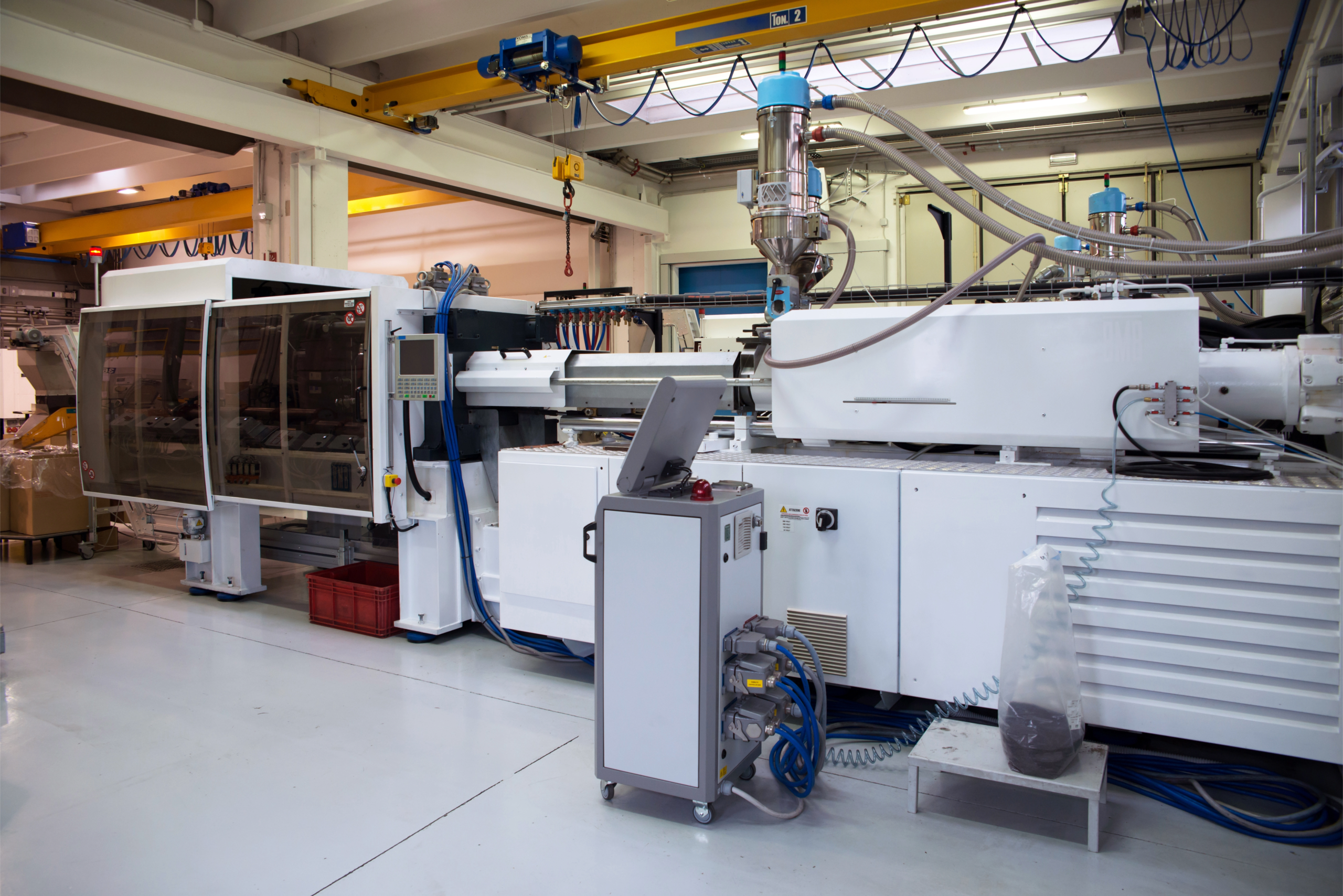
Introduction
Driver 1: High-Performance Material Versatility
IoT devices require enclosures and components that balance durability, lightweight design, and functionality, often in diverse environments. High-performance thermoplastics, such as polycarbonate (PC), acrylonitrile butadiene styrene (ABS), and polyamide (PA), provide the versatility needed for applications like smart thermostats, wearable sensors, or outdoor monitors. For example, PC enclosures offer impact resistance and clarity for LED displays, ensuring longevity in consumer IoT devices, as noted by McKinsey & Company.
At E-BI, we specialize in selecting and processing thermoplastics tailored to IoT device requirements. Our facilities in China and Vietnam produce injection-molded parts, such as ABS casings for smart plugs, that combine strength with aesthetic appeal. We also use PA for industrial IoT sensors that resist moisture and chemicals in harsh environments. These materials can be enhanced with additives like flame retardants or UV stabilizers to meet specific performance needs, such as UL 94 compliance or outdoor durability.
E-BI’s material expertise ensures that IoT components meet rigorous standards for mechanical, electrical, and environmental performance. By leveraging our manufacturing capabilities, we help clients create enclosures that protect sensitive electronics while supporting the mass production demands of the IoT market.
Driver 2: Precision Molding for Complex Designs
IoT devices often feature compact, intricate designs to house sensors, antennas, and circuit boards within limited space. Plastic injection molding excels in producing complex geometries with tight tolerances, typically within ±0.01 mm, ensuring seamless integration and reliable functionality. According to Boston Consulting Group, precision manufacturing is critical for IoT devices, where dimensional accuracy impacts performance and consumer satisfaction.
E-BI’s facilities in Thailand and China utilize advanced molding technologies, including micro-molding and multi-cavity molds, to produce precise IoT components like sensor housings and connector covers. Our expertise in mold flow analysis ensures defect-free parts, even for designs with thin walls, undercuts, or molded-in features like sealing gaskets. For instance, we manufacture PC enclosures for smart smoke detectors with integrated mounting points and ventilation slots, optimizing assembly and performance.
Precision molding also supports functional integration, where features like snap-fits or EMI shielding are incorporated into a single molded part, reducing production steps and costs. E-BI’s design-for-manufacturability (DFM) approach optimizes designs to balance functionality, aesthetics, and scalability, delivering components that meet the exacting requirements of mass-produced IoT devices.
Driver 3: Cost-Effective Scalability
Mass production of IoT devices requires cost-effective manufacturing to meet global demand while maintaining quality and consistency. Injection molding offers low per-unit costs, minimal material waste, and fast cycle times, making it ideal for high-volume production. According to Deloitte, injection-molded plastic components can reduce manufacturing costs by up to 25% compared to alternative methods like CNC machining for IoT applications.
E-BI’s manufacturing hubs in China, Vietnam, and Thailand are optimized for scalability, with automated production lines and rapid tooling capabilities that support high-volume production of IoT enclosures. For example, we produce ABS casings for smart light bulbs in millions, ensuring uniformity across batches and cost efficiency. Our flexible processes also accommodate low-volume runs for prototypes or niche IoT products, providing scalability for startups and established brands alike.
The durability of injection-molded plastics further enhances cost efficiency by reducing warranty claims and replacement costs. Unlike metal, which may corrode, or lower-grade plastics, which can crack, high-performance thermoplastics resist environmental factors and mechanical stress. E-BI’s rigorous quality control, including drop and environmental testing, ensures that every component meets industry standards, delivering long-term value for mass production.
Driver 4: Rapid Time-to-Market and Customization
The fast-paced IoT market demands rapid time-to-market to capitalize on emerging trends and consumer needs. Injection molding, combined with rapid tooling and advanced manufacturing processes, enables quick production cycles while supporting customization for brand-specific designs. Research from PwC indicates that reducing development cycles by up to 30% through efficient manufacturing can significantly boost market competitiveness for IoT devices.
E-BI’s facilities in China, Vietnam, and Thailand are designed for speed and flexibility, with rapid tooling capabilities that produce molds in as little as one to two weeks. We manufacture custom PC enclosures for IoT security cameras with features like in-mold decoration (IMD) for branded logos or textured surfaces for grip, accelerating market entry. Our automated production lines ensure fast turnaround for high-volume orders, meeting tight launch schedules.
Customization extends to functional features, such as IP65-rated seals for outdoor IoT devices or integrated antenna slots for enhanced connectivity. E-BI collaborates with clients to develop tailored solutions that align with brand aesthetics and performance requirements, ensuring mass-produced devices stand out in competitive markets. By partnering with E-BI, manufacturers can achieve rapid, customized production that drives IoT innovation.
Conclusion
Plastic injection molding supports mass production of IoT devices through high-performance material versatility, precision complex designs, cost-effective scalability, and rapid time-to-market with customization. These four drivers enable manufacturers to create reliable, efficient, and market-ready devices that meet the demands of the growing IoT ecosystem. At E-BI, we harness these drivers to deliver precision-molded solutions from our facilities in China, Vietnam, and Thailand, empowering businesses to scale production and achieve competitive advantage.
Whether you’re producing smart home devices or industrial IoT sensors, E-BI is your trusted partner for advanced manufacturing. Our expertise in injection molding ensures that your IoT components deliver exceptional performance, durability, and brand alignment. Visit E-BI.com to explore how we can collaborate to mass-produce IoT devices that transform industries and drive your success in global markets.