

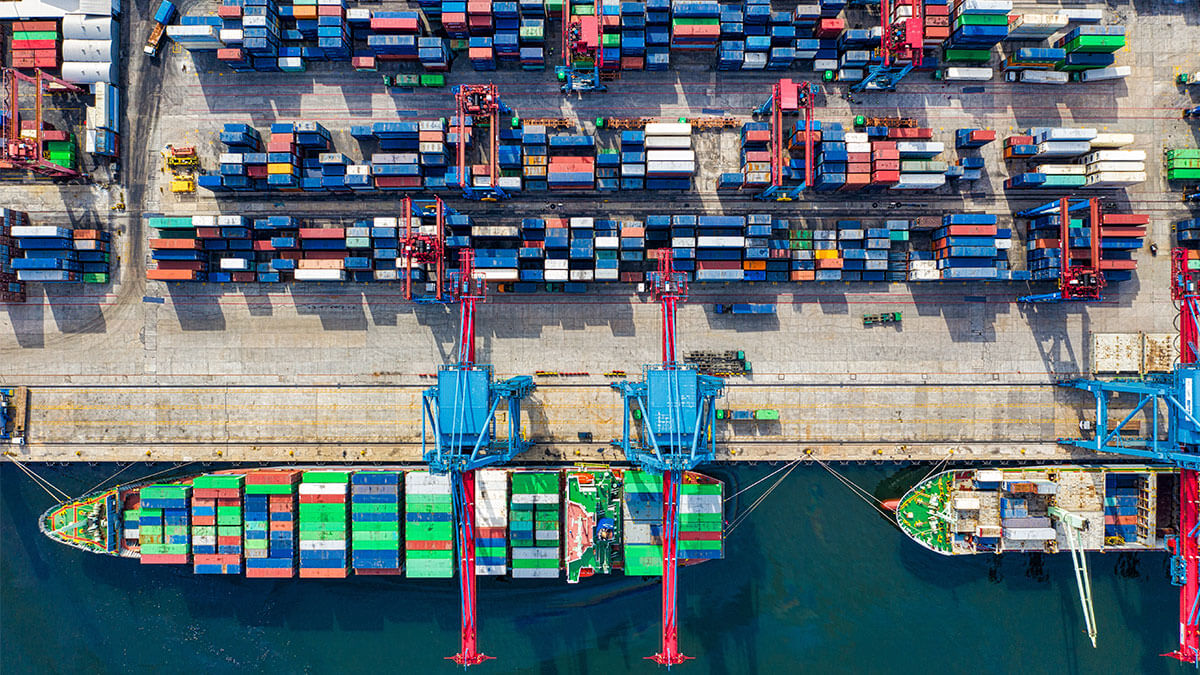
“Call me the president of tariffs!” Trump says. Supply chain design and implementation face new challenges every day.
The global manufacturing landscape has undergone significant shifts in recent years, particularly in high-mix, low-volume (HMLV) production. This approach, characterized by producing a wide variety of products in limited quantities, is essential for industries requiring customization and flexibility. Vietnam and Thailand have emerged as prominent hubs for contract manufacturing in this sector, especially in electronics assembly, metal stamping, casting, and plastic molding. This analysis delves into the status of HMLV contract manufacturing in these two countries, highlighting their strengths, weaknesses, and cost structures. Additionally, it offers a comparative perspective with China, considering factors such as U.S. tariffs, overhead costs, engineering and design support, product development timelines, and the implementation of Just-In-Time (JIT) models.
Vietnam: Strengths and Weaknesses
Strengths:
- Cost Competitiveness: Vietnam offers lower labor costs compared to China, making it an attractive destination for manufacturing. This cost advantage is particularly beneficial for HMLV production, where labor flexibility is crucial.
- Growing Infrastructure: The country has been investing heavily in its infrastructure, including transportation and industrial zones, to support manufacturing activities. This development facilitates efficient supply chain operations and reduces lead times.
- Trade Agreements: Vietnam’s participation in multiple free trade agreements enhances its appeal by providing favorable trade terms and reducing export-import duties.
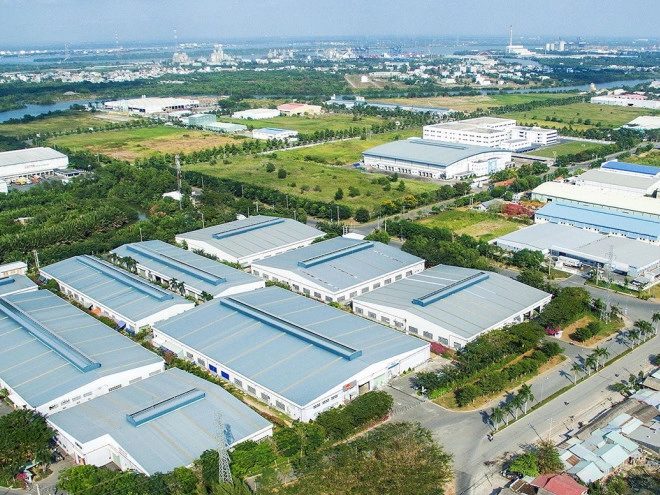
Weaknesses:
- Quality Control Variability: While top-tier manufacturers maintain high standards, some smaller firms may exhibit inconsistencies in product quality. This variability necessitates thorough vetting of suppliers.
- Developing Supply Chain Ecosystem: Compared to China, Vietnam’s supply chain network is still maturing, which can pose challenges in sourcing specialized components locally.
Thailand: Strengths and Weaknesses
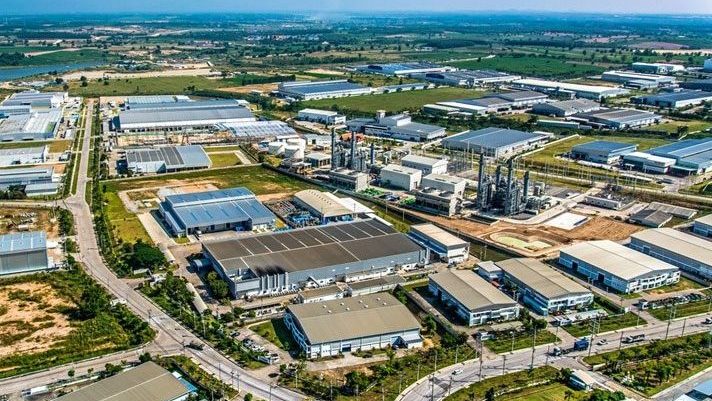
Strengths:
- Established Manufacturing Base: Thailand boasts a well-established manufacturing sector, particularly in electronics and automotive industries, providing a robust foundation for HMLV production.
- Skilled Workforce: The country has a pool of skilled labor adept in precision manufacturing processes, essential for high-quality output in HMLV operations
Weaknesses:
- Higher Labor Costs: Labor costs in Thailand are generally higher than in Vietnam, which can impact the overall cost competitiveness, especially for labor-intensive processes.
- Political Instability: Periodic political unrest can introduce uncertainties in the business environment, potentially affecting manufacturing operations and investment decisions.
Cost Comparison: Vietnam and Thailand
When comparing manufacturing costs between Vietnam and Thailand, several factors come into play:
- Labor Costs: Vietnam typically offers more affordable labor, which can lead to lower production costs, particularly advantageous for HMLV manufacturing.
- Operational Expenses: Thailand’s more advanced infrastructure may result in higher operational costs, but it can also lead to efficiencies that offset these expenses.
- Supply Chain Efficiency: Thailand’s established supply chain networks can reduce lead times and inventory holding costs, potentially balancing out higher labor expenses.
Comparative Analysis with China
Impact of U.S. Tariffs:
The imposition of U.S. tariffs on Chinese goods has prompted companies to reassess their manufacturing strategies. Many have adopted a “China Plus One” approach, diversifying production to countries like Vietnam and Thailand to mitigate tariff impacts. This shift aims to maintain market competitiveness and reduce dependency on a single manufacturing base.
Overhead Costs and Engineering Support:
- China: Offers extensive engineering and design support services, benefiting from a mature industrial ecosystem. However, rising labor costs and overheads have diminished some of its cost advantages.
- Vietnam and Thailand: While these countries provide cost benefits, they may have limitations in advanced engineering services compared to China. Investments in local talent development and partnerships with engineering firms are essential to bridge this gap.
Product Development Time-to-Market:
- China: Its comprehensive supply chain and manufacturing expertise enable rapid prototyping and product development, shortening time-to-market.
- Vietnam and Thailand: Ongoing infrastructure improvements and experience are enhancing their capabilities, but they may still face challenges in matching China’s speed in product development cycles.
Just-In-Time (JIT) Model Implementation:
- China: The well-established logistics and supplier networks support effective JIT manufacturing, reducing inventory costs and enhancing efficiency.
- Vietnam and Thailand: While adopting JIT models, these countries may encounter challenges due to developing infrastructure and supply chain networks, potentially leading to longer lead times and higher inventory requirements.
Conclusion
Vietnam and Thailand have positioned themselves as viable alternatives to China for HMLV contract manufacturing, each offering unique advantages. Vietnam’s cost competitiveness and improving infrastructure make it appealing for cost-sensitive operations, while Thailand’s skilled workforce and established manufacturing base offer reliability and quality. However, challenges such as quality control variability in Vietnam and higher labor costs in Thailand require careful consideration. When compared to China, both countries present opportunities to mitigate risks associated with tariffs and supply chain disruptions, though they may need to enhance their engineering support and supply chain maturity to fully match China’s capabilities. Strategic assessment of specific manufacturing needs and thorough supplier evaluation are crucial in selecting the most suitable location for HMLV production.