

Introduction
Driver 1: Biocompatible Medical-Grade Materials
Medical-grade plastics, such as polycarbonate (PC), polyethylene (PE), and polyetheretherketone (PEEK), are designed to be biocompatible, non-toxic, and safe for human contact, meeting standards like USP Class VI and ISO 10993. These materials are critical for health monitoring IoT devices that interact with skin or bodily fluids. For example, PEEK offers exceptional strength and sterilizability for wearable sensor housings, as noted by McKinsey & Company.
At E-BI, we specialize in sourcing and processing biocompatible medical-grade plastics for IoT applications. Our facilities in China and Vietnam produce injection-molded PC enclosures for heart rate monitors, ensuring skin-safe contact and compliance with FDA requirements. We use PE for disposable glucose sensor components, offering flexibility and chemical resistance. Our material suppliers provide full traceability, with certificates of compliance to support regulatory audits.
E-BI’s material expertise includes rigorous testing for biocompatibility, such as cytotoxicity and sensitization assessments, to ensure safety. For instance, we manufacture PEEK casings for implantable IoT monitors that withstand sterilization processes like autoclaving. By leveraging our capabilities, manufacturers can create health monitoring IoT devices that prioritize patient safety and regulatory compliance.
Driver 2: Precision Molding for Functional Accuracy
Health monitoring IoT devices require precise geometries to integrate sensors, displays, and batteries while maintaining compact, ergonomic designs. Injection molding delivers complex parts with tight tolerances, typically within ±0.01 mm, ensuring accurate alignment and reliable performance. According to Boston Consulting Group, precision molding enhances device reliability by up to 20%, critical for medical IoT applications where accuracy impacts patient health.
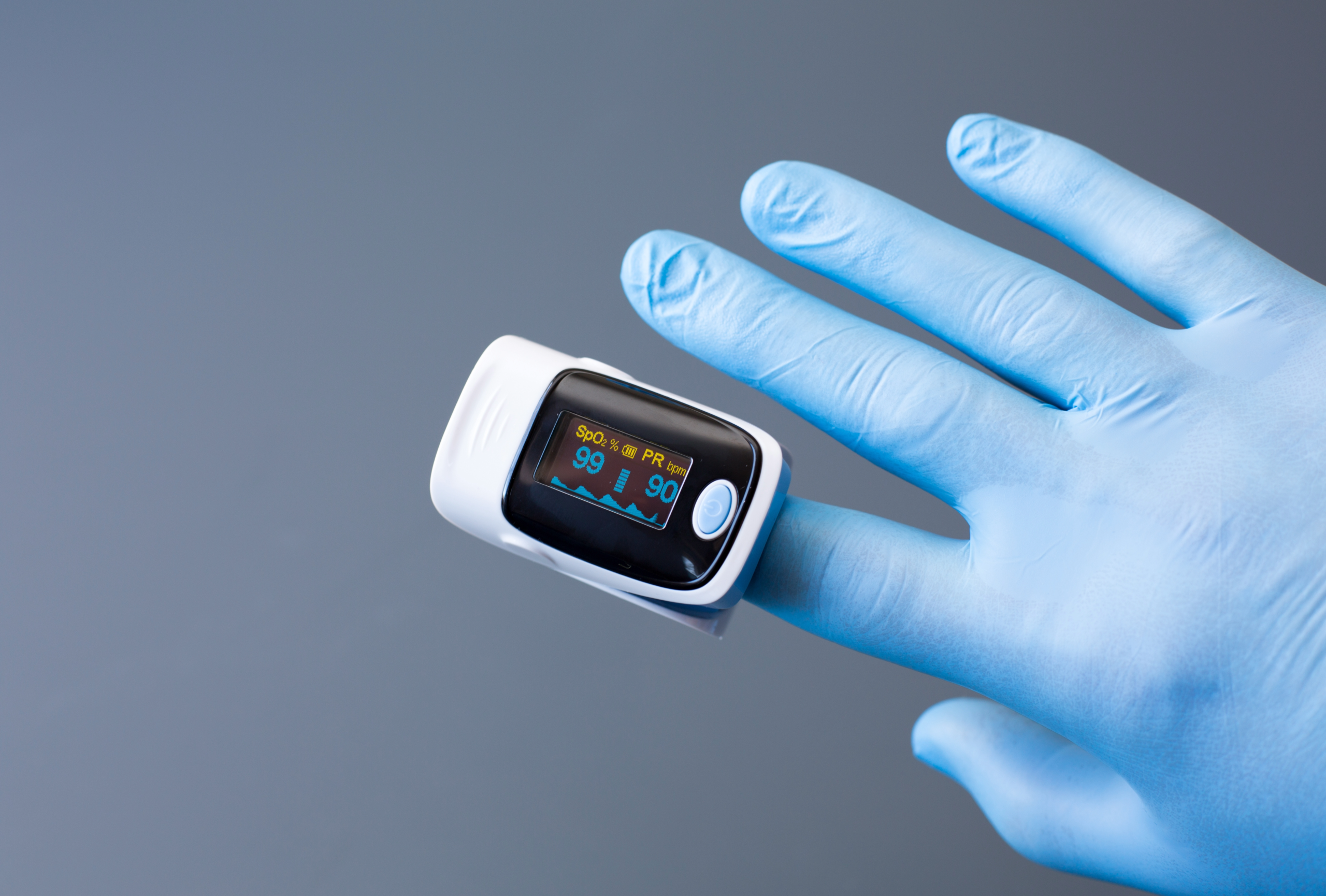
E-BI’s facilities in Thailand and China utilize advanced micro-molding and multi-cavity mold technologies to produce precise IoT components. We manufacture PC housings for blood oxygen sensors with molded-in optical windows, achieving alignment tolerances of ±0.005 mm for accurate readings. Our mold flow analysis ensures defect-free parts, eliminating issues like flash or warpage in PE casings for insulin pump controllers, ensuring seamless assembly.
Best practices include designing parts with uniform wall thickness and incorporating features like snap-fits to reduce assembly complexity. E-BI’s design-for-manufacturability (DFM) approach optimizes designs for precision and moldability, delivering components like PEEK connectors for remote patient monitors that meet ISO 13485 standards. By partnering with E-BI, manufacturers can achieve functional accuracy in health monitoring IoT devices.
Driver 3: Cleanroom Manufacturing for Hygiene
Medical-grade IoT components must be produced in contamination-free environments to ensure patient safety and compliance with regulatory standards like ISO 13485 and GMP. Cleanroom manufacturing minimizes particulate and microbial risks, essential for parts like sensor enclosures or fluid-contact components. Research from Deloitte emphasizes that cleanroom production reduces contamination-related failures by up to 30% in medical devices.
E-BI’s ISO 13485-certified facilities in China, Vietnam, and Thailand feature ISO Class 7 and Class 8 cleanrooms, equipped with high-precision molding machines. We produce PC enclosures for wearable ECG monitors in cleanroom settings, ensuring no contaminants compromise device safety. Our protocols include regular equipment sterilization, air filtration, and operator training to maintain hygiene. For fluid-contact components, we mold PE tubing connectors for infusion pumps, meeting stringent cleanliness requirements.
Best practices include selecting materials that withstand sterilization methods, such as gamma radiation or ethylene oxide, without degrading. E-BI conducts validation testing to ensure molded parts maintain biocompatibility and performance post-sterilization, providing reliable solutions for health monitoring IoT applications. By leveraging our cleanroom expertise, manufacturers can ensure hygienic, safe components.
Driver 4: Regulatory Compliance and Scalability
Health monitoring IoT devices must comply with rigorous regulatory frameworks, including FDA, CE Mark, and ISO 13485, to ensure market approval and patient safety. Medical-grade plastic molding supports compliance through traceable materials and validated processes, while scalability meets growing healthcare demands. According to PwC, compliant and scalable manufacturing can accelerate market entry by up to 25% for medical IoT devices.
E-BI’s facilities are designed to support regulatory compliance and scalability. We produce PC casings for glucose monitors with full traceability, providing documentation like Design History Files (DHF) and Device Master Records (DMR) for FDA submissions. Our scalable production ranges from low-volume prototyping for clinical trials to high-volume runs with 16-cavity molds for commercial launches, producing 20,000 units daily for wearable IoT devices. We ensure compliance with standards like 21 CFR Part 820 through rigorous process validation.
Best practices include designing parts with standardized features to streamline regulatory validation and using multi-cavity molds for cost-effective scaling. E-BI’s quality control includes biocompatibility, dimensional, and environmental testing to meet regulatory requirements. By partnering with E-BI, manufacturers can navigate complex regulations and scale production efficiently, delivering compliant health monitoring IoT devices.
Conclusion
Medical-grade plastic molding for health monitoring IoT devices, driven by biocompatible materials, precision functional accuracy, cleanroom hygiene, and regulatory scalability, ensures safe, reliable, and compliant components that advance patient care. These four drivers enable manufacturers to create innovative devices that meet stringent healthcare standards while scaling for global markets. At E-BI, we harness these drivers to deliver precision-molded solutions from our ISO 13485-certified facilities in China, Vietnam, and Thailand, empowering businesses to lead in the medical IoT market.
Whether you’re developing wearable monitors, diagnostic sensors, or remote tracking devices, E-BI is your trusted partner for advanced manufacturing. Our expertise in medical-grade injection molding ensures that your IoT components deliver exceptional safety, performance, and compliance. Visit E-BI.com to explore how we can collaborate to create health monitoring IoT solutions that transform healthcare and drive your success in global markets.