

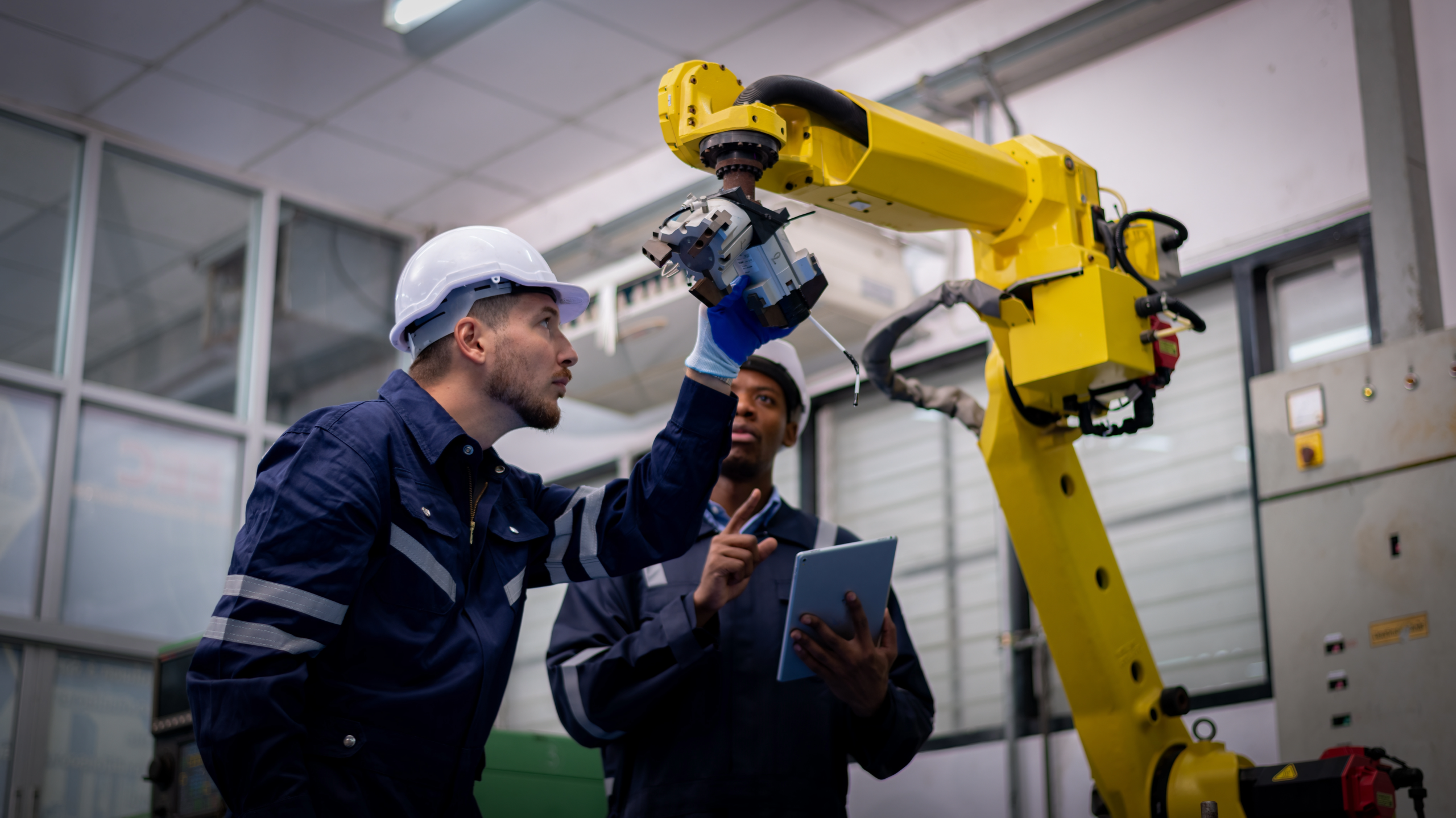
The Internet of Things (IoT) is no longer just about individual smart devices; the real innovation lies in seamlessly integrating these devices into cohesive, intelligent ecosystems. By 2030, IoT integration is set to redefine industries, from smart homes to manufacturing, by enabling interoperability, data-driven insights, and automation. E-BI, a global leader in technical manufacturing with facilities in China, Vietnam, and Thailand, is powering this shift by producing the components that make IoT integration possible. This article explores the four key drivers behind why IoT integration is the next big innovation and how E-BI’s manufacturing expertise supports this transformative trend.
1. Interoperability for Seamless Ecosystems
IoT integration hinges on interoperability, allowing devices from different manufacturers to communicate and function as a unified system. Standards like Matter and protocols such as Zigbee, Wi-Fi, and Bluetooth Low Energy (BLE) enable devices—like smart lights, thermostats, and sensors—to work together seamlessly. According to Connectivity Standards Alliance, Matter is projected to connect over 1.5 billion devices by 2030, creating cohesive IoT ecosystems.
E-BI manufactures interoperable IoT components, including multi-protocol connectivity modules and Matter-compliant chips. Our facilities in China, Vietnam, and Thailand ensure these components meet global standards, enabling seamless integration across diverse ecosystems. By partnering with E-BI, companies can create devices that integrate effortlessly, driving the next wave of connected innovation.
2. Data Aggregation for Holistic Insights
IoT integration aggregates data from multiple devices to provide holistic insights, enabling smarter decision-making. In a smart factory, for instance, integrated IoT sensors monitor equipment, energy use, and inventory, delivering comprehensive analytics to optimize operations. A report by McKinsey estimates that IoT-driven data integration could unlock $2 trillion in economic value by 2030 through enhanced efficiency and innovation.
E-BI produces high-performance sensors, processors, and 5G modules that enable robust data aggregation. Our manufacturing expertise ensures these components deliver accurate, real-time data for integrated IoT systems. By collaborating with E-BI, manufacturers can build devices that contribute to powerful, data-driven ecosystems, transforming industries from retail to logistics.
3. Automation Through Integrated Intelligence
Integrated IoT systems enable automation by combining device intelligence with real-time data. In a smart home, integrated devices can automate tasks—like adjusting lighting based on occupancy or optimizing energy use—without user input. In industrial settings, integrated IoT drives autonomous processes, such as predictive maintenance. According to IDC, IoT integration for automation is expected to grow by 35% annually through 2028.
E-BI manufactures AI-capable microcontrollers and low-latency sensors that power integrated, automated IoT systems. Our facilities ensure these components are energy-efficient and scalable, supporting complex automation tasks. By working with E-BI, companies can develop IoT devices that enable intelligent automation, enhancing user experiences and operational efficiency.
4. Scalability for Future-Proof Ecosystems
IoT integration supports scalable ecosystems that can grow with technological advancements and market demands. Modular, integrated designs allow new devices to be added to existing systems without requiring overhauls. For example, a smart city can integrate new traffic sensors into its IoT network as urban needs evolve. A study by Statista forecasts that global IoT connections will exceed 30 billion by 2030, driven by scalable integration.
E-BI produces modular IoT components, such as upgradable firmware chips and multi-standard connectivity modules, that support scalable ecosystems. Our global manufacturing network ensures high-volume production and supply chain resilience, enabling rapid scaling. By partnering with E-BI, manufacturers can create future-proof IoT devices that adapt to evolving ecosystems.
Challenges and Opportunities in IoT Integration
IoT integration faces challenges like ensuring cross-platform compatibility, managing data security, and handling the complexity of large-scale ecosystems. Recent X posts highlight the excitement around IoT integration in smart cities and factories, but also note the need for standardized protocols to avoid fragmentation. Opportunities include leveraging 5G for faster data transfer and AI for smarter integration, as seen in advanced manufacturing deployments.
E-BI addresses these challenges with design-for-manufacturing (DFM) support, ensuring component interoperability and security. Our facilities in China, Vietnam, and Thailand produce high-quality, standardized components, simplifying integration. With E-BI’s expertise, manufacturers can capitalize on the opportunities of IoT integration to drive innovation.
Partner with E-BI to Lead IoT Integration
The next big innovation isn’t a single product—it’s the seamless integration of IoT devices into intelligent, scalable ecosystems. Through interoperability, data aggregation, automation, and scalability, IoT integration is transforming how industries operate and innovate. Partnering with a trusted manufacturer is critical to building the components that power these connected systems.
At E-BI, we empower manufacturers to lead in IoT integration with high-quality components and global manufacturing expertise. Whether you’re developing smart home ecosystems or industrial IoT networks, E-BI is your partner in shaping the connected future. Contact E-BI today to explore how we can help you drive the next wave of IoT innovation.