

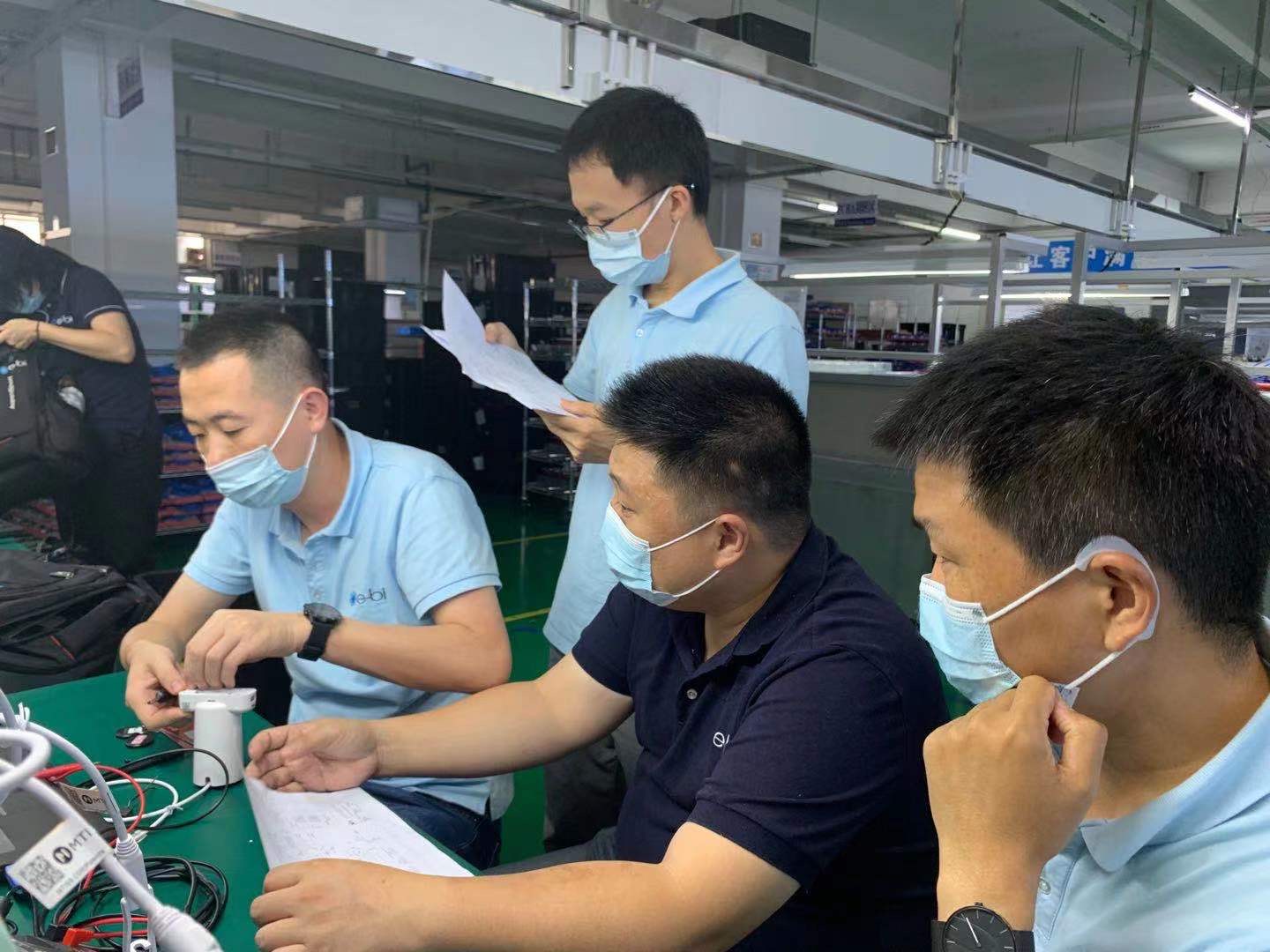
The COVID-19 pandemic, beginning in early 2020, triggered unprecedented disruptions in global manufacturing and supply chains, exposing vulnerabilities and accelerating transformative changes. From factory shutdowns to logistics bottlenecks, the crisis forced manufacturers to rethink strategies, embrace resilience, and adopt innovative technologies. As a leading contract manufacturer with facilities in China, Vietnam, and Thailand, E-BI navigated these challenges, leveraging its expertise to deliver reliable, sustainable solutions for Original Equipment Manufacturers (OEMs) in electronics, medical devices, and automotive sectors. This article explores how COVID-19 reshaped global manufacturing and supply chains, highlights E-BI’s adaptive strategies, and outlines lessons for building a more resilient future.
The Impact of COVID-19 on Global Manufacturing
The pandemic disrupted manufacturing worldwide, with global industrial production declining by 11.2% in Q2 2020 (UNIDO). Key impacts included:
- Factory Closures: Lockdowns in major manufacturing hubs like China and Europe halted production, with 94% of Fortune 1000 companies reporting supply chain disruptions (McKinsey).
- Supply Shortages: Critical components, such as semiconductors, faced shortages, delaying production for electronics and automotive industries (Electronics Weekly).
- Logistics Bottlenecks: Port congestion and shipping delays increased freight costs, with container rates from China to the U.S. rising by 200% in 2020–2021 (Forbes).
- Labor Shortages: Workforce restrictions reduced factory capacity, particularly in labor-intensive regions like Asia (Deloitte).
These disruptions underscored the fragility of globalized supply chains, prompting manufacturers like E-BI to adapt swiftly to maintain operations.
How COVID-19 Reshaped Supply Chains
The pandemic exposed the risks of over-reliance on single-source suppliers and just-in-time (JIT) inventory models, driving structural changes in global supply chains. Key shifts include:
1. Diversification of Supply Chains
Manufacturers moved away from single-country sourcing, particularly China, which accounted for 28% of global manufacturing output pre-COVID (World Bank). Companies diversified to regions like Vietnam and Mexico to mitigate risks. E-BI leveraged its multi-country facilities in China, Vietnam, and Thailand to ensure supply chain continuity, reducing dependency on any single location (McKinsey).
2. Nearshoring and Regionalization
Nearshoring gained traction as companies sought proximity to end markets. For North American OEMs, Mexico emerged as a key hub, with shipping costs as low as $350 from Tijuana to San Diego compared to $7,000 from China (TACNA). E-BI’s Asian facilities complement nearshoring strategies, offering cost-effective production for global markets.
3. Digital Transformation
COVID-19 accelerated the adoption of Industry 4.0 technologies, with 70% of manufacturers investing in IoT, AI, and automation to enhance resilience (Deloitte). E-BI implemented IoT-enabled supply chain tracking and AI-driven demand forecasting to manage disruptions, ensuring timely delivery for OEMs (Forbes).
4. Inventory Buffering
Manufacturers shifted from JIT to just-in-case (JIC) inventory models, holding buffer stocks to mitigate shortages. This increased costs but ensured production continuity, with inventory levels rising by 15% post-COVID (McKinsey). E-BI optimized inventory management using AI to balance cost and resilience.
5. Focus on Sustainability
The pandemic highlighted the need for sustainable supply chains, as consumers and regulators demanded eco-friendly practices. E-BI reinforced its commitment to sustainability, reducing waste and emissions through lean manufacturing and recycling, aligning with ISO 14001 standards (ISO).
E-BI’s Response to COVID-19 Challenges
E-BI’s proactive strategies enabled it to navigate the pandemic’s disruptions, ensuring reliability for OEMs. Key adaptations include:
1. Multi-Regional Operations
E-BI’s facilities in China, Vietnam, and Thailand provided flexibility during regional lockdowns. When China faced restrictions in early 2020, E-BI shifted production to Vietnam, maintaining output for electronics and medical device OEMs. This diversification minimized delays, with E-BI achieving 95% on-time delivery during the crisis (NAPS).
2. Technology-Driven Resilience
E-BI accelerated its adoption of IoT and AI to enhance supply chain visibility and efficiency. IoT sensors tracked material flows across Asia, while AI optimized production schedules, reducing downtime by 30%. These technologies ensured E-BI met demand for critical products, such as medical devices, during peak shortages (Electronics Weekly).
3. Workforce Safety and Training
E-BI implemented strict health protocols, including remote monitoring and staggered shifts, to protect its workforce. Training programs upskilled employees in digital tools, ensuring operational continuity. These measures maintained productivity, with E-BI’s labor force operating at 90% capacity during peak disruptions (Manufacturing.net).
4. Sustainable Practices
E-BI doubled down on sustainability, optimizing material use and recycling to reduce waste. For example, scrap plastics from injection molding were repurposed, cutting waste by 25%. Energy-efficient processes lowered emissions, aligning with OEMs’ environmental goals (McKinsey).
5. Supplier Collaboration
E-BI strengthened ties with suppliers, auditing them for reliability and sustainability. By diversifying its supplier base across Asia, E-BI mitigated shortages, ensuring a steady flow of components for automotive and electronics production (Deloitte).
Lessons Learned from COVID-19
The pandemic provided critical lessons for building resilient manufacturing and supply chains:
- Diversify Sourcing: Multi-regional suppliers reduce dependency risks, as demonstrated by E-BI’s operations in China, Vietnam, and Thailand (TACNA).
- Embrace Technology: IoT, AI, and automation enhance agility and visibility, critical for managing disruptions (Forbes).
- Prioritize Sustainability: Eco-friendly practices ensure compliance and competitiveness in a post-COVID world (ISO).
- Build Redundancy: Buffer stocks and flexible capacity prevent production halts, balancing cost and resilience (McKinsey).
- Strengthen Partnerships: Collaborative relationships with suppliers and CMs, like E-BI, ensure reliability and trust (Deloitte).
Industries Impacted and E-BI’s Role
COVID-19 affected various industries, with E-BI playing a pivotal role in their recovery:
Electronics
Semiconductor shortages disrupted electronics production, but E-BI’s diversified supply chain ensured component availability, supporting OEMs in consumer and industrial markets (Electronics Weekly).
Medical Devices
Demand for ventilators and diagnostics surged, and E-BI ramped up production, meeting ISO 13485 standards and delivering critical equipment (Medical Design & Outsourcing).
Automotive
Automotive production faced delays, but E-BI’s AI-driven scheduling and regional flexibility maintained component supply (Automotive World).
Consumer Goods
E-BI supported high-volume production of household products, optimizing logistics to meet e-commerce demand (Thomasnet).
The Future Post-COVID
The pandemic has set the stage for a more resilient, technology-driven, and sustainable manufacturing landscape. Key trends include:
- Digital Supply Chains: 80% of manufacturers plan to invest in digital tools by 2027, enhancing visibility and agility (Deloitte).
- Regional Hubs: Nearshoring and multi-regional sourcing will dominate, with Asia and Mexico as key players (TACNA).
- Sustainability Focus: Green practices will drive competitiveness, with E-BI leading through waste reduction and energy efficiency (McKinsey).
- Resilient Strategies: Hybrid JIT-JIC models and diversified suppliers will ensure stability (Forbes).
Why Partner with E-BI?
E-BI is a proven partner for OEMs navigating the post-COVID manufacturing landscape. Our facilities in China, Vietnam, and Thailand offer cost-effective production—labor costs as low as $3.50/hour—while integrating IoT, AI, and sustainable practices to ensure resilience and quality. Certified to ISO 9001 and ISO 14001, E-BI delivers reliable solutions for electronics, medical devices, automotive, and consumer goods, empowering OEMs to thrive in a dynamic market (Electronics Weekly).
Build a Resilient Future with E-BI
COVID-19 reshaped global manufacturing, but with E-BI, OEMs can turn challenges into opportunities. Our resilient, technology-driven, and sustainable solutions ensure your supply chain is ready for the future. Whether you’re innovating in electronics, medical devices, or automotive, our facilities in China, Vietnam, and Thailand deliver cost-effective, high-quality production tailored to your needs. Contact us today to explore how we can collaborate to strengthen your supply chain and drive your business forward.
Sources
- UNIDO: Coronavirus Impact on Manufacturing
- McKinsey: Global Supply Chains Post-Pandemic
- Forbes: Supply Chain Disruptions Post-COVID
- Deloitte: COVID-19 Impact on Manufacturing
- World Bank: Manufacturing Statistics
- TACNA: Mexico vs. China Manufacturing
- ISO: ISO 14001 Standards
- Electronics Weekly: Semiconductor Shortage
- Medical Design & Outsourcing: COVID-19 Medical Devices
- Thomasnet: COVID-19 Manufacturing Guide