

Introduction
Driver 1: Sustainable Biodegradable Materials
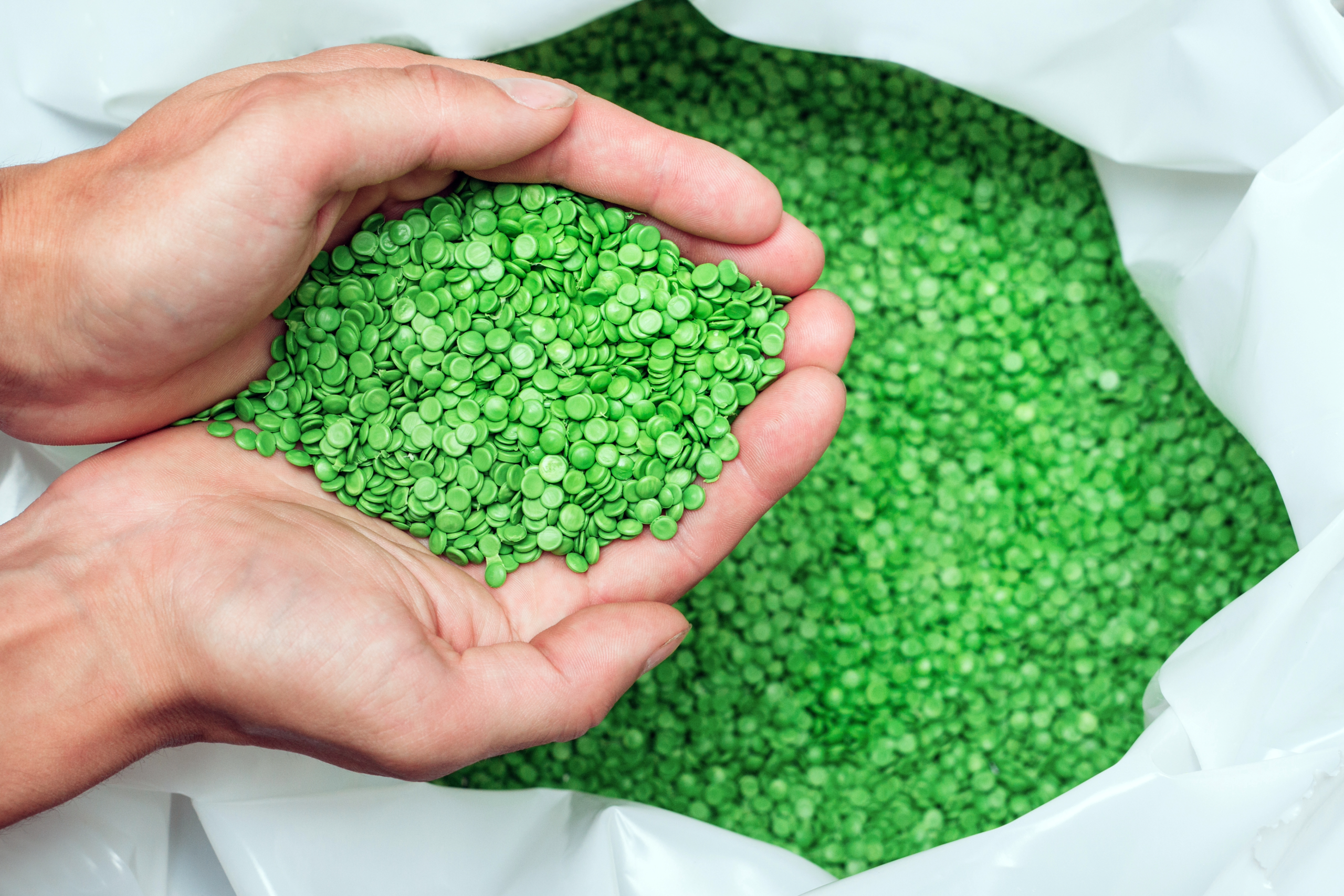
Biodegradable plastics, such as polylactic acid (PLA), polyhydroxyalkanoates (PHA), and bio-based polycarbonate (PC), decompose naturally under specific conditions, reducing long-term environmental impact compared to traditional petroleum-based plastics. These materials maintain sufficient mechanical properties for IoT enclosures while supporting sustainability goals. For example, PLA offers strength and clarity for smart home sensor casings, as noted by McKinsey & Company.
At E-BI, we specialize in processing biodegradable plastics for IoT applications. Our facilities in China and Vietnam produce injection-molded PLA enclosures for indoor IoT devices, such as smart plugs, that biodegrade in industrial composting facilities. We also explore PHA for outdoor sensors, offering enhanced flexibility and biodegradability in natural environments. These materials are sourced from certified suppliers to ensure consistent quality and environmental compliance.
E-BI’s material expertise includes blending biodegradable plastics with additives, like impact modifiers or UV stabilizers, to enhance durability while maintaining eco-friendly properties. For instance, we manufacture bio-based PC casings for IoT thermostats that balance heat resistance with compostability. By leveraging our capabilities, we help clients create sustainable IoT enclosures that meet consumer and regulatory expectations for green technology.
Driver 2: Precision Molding for Functional Designs
Eco-friendly IoT devices require enclosures with precise geometries to house electronics while maintaining compact, user-friendly designs. Injection molding delivers complex shapes with tight tolerances, typically within ±0.02 mm, ensuring reliable performance and seamless assembly. According to Boston Consulting Group, precision manufacturing is critical for sustainable IoT devices, where functional design supports both performance and environmental goals.
E-BI’s facilities in Thailand and China utilize advanced molding technologies, including multi-cavity molds and overmolding, to produce biodegradable enclosures with intricate features. For example, we manufacture PLA casings for smart light sensors with molded-in snap-fits and antenna slots, reducing assembly steps and enhancing connectivity. Our expertise in mold flow analysis ensures defect-free parts, avoiding issues like warping or sink marks that could compromise functionality.
Best practices include designing enclosures with minimal material usage to reduce environmental footprint while incorporating features like ventilation for heat dissipation. E-BI’s design-for-manufacturability (DFM) approach optimizes designs for sustainability, functionality, and production efficiency, delivering biodegradable components like PHA enclosures for agricultural IoT devices that support high-volume production.
Driver 3: Reduced Environmental Impact and Compliance
Biodegradable plastics significantly reduce the environmental impact of IoT devices by minimizing plastic waste and aligning with circular economy principles. These materials comply with regulations like the EU’s Waste Electrical and Electronic Equipment (WEEE) directive and support certifications such as compostability standards (e.g., EN 13432). Research from Deloitte emphasizes that sustainable materials are critical for IoT manufacturers facing increasing regulatory and consumer pressure for eco-friendly products.
E-BI’s facilities in China, Vietnam, and Thailand prioritize sustainable manufacturing practices, producing biodegradable IoT enclosures that meet global environmental standards. We manufacture PLA casings for smart home controllers certified for industrial composting, ensuring responsible end-of-life disposal. Our processes incorporate energy-efficient molding and recycled biodegradable materials where possible, further reducing carbon footprint.
Best practices include designing enclosures with clear labeling for composting instructions and ensuring compatibility with recycling or biodegradation pathways. E-BI conducts lifecycle assessments and compliance testing to verify environmental performance, helping clients navigate regulations like RoHS and REACH. By partnering with E-BI, manufacturers can create eco-friendly IoT devices that reduce waste and enhance brand reputation for sustainability.
Driver 4: Cost-Effective Scalability and Market Appeal
The growing demand for eco-friendly IoT devices requires scalable production to meet market needs, while biodegradable plastics enhance consumer appeal by aligning with sustainability trends. Injection molding offers low per-unit costs, minimal material waste, and high-volume efficiency, making it ideal for mass-producing biodegradable enclosures. According to PwC, sustainable IoT devices can command a premium price, with eco-conscious consumers willing to pay up to 15% more for green products.
E-BI’s manufacturing hubs in China, Vietnam, and Thailand are optimized for scalability, with automated production lines and multi-cavity molds that support high-volume production of biodegradable IoT enclosures. For instance, we produce PLA casings for smart irrigation sensors in large quantities, ensuring consistency and cost efficiency. Our rapid tooling capabilities enable mold production in one to two weeks, supporting prototyping for design validation or low-volume runs for niche markets.
Best practices include designing enclosures with aesthetic finishes, like textured surfaces or vibrant colors, to enhance market appeal while using standardized molds to reduce costs. E-BI’s quality control, including mechanical and biodegradability testing, ensures that every enclosure meets performance and environmental standards, minimizing defects. By leveraging our expertise, manufacturers can achieve cost-effective production of eco-friendly IoT devices that resonate with sustainability-focused consumers.
Conclusion
Biodegradable plastics in eco-friendly IoT device production, driven by sustainable materials, precision functional designs, reduced environmental impact, and cost-effective scalability, enable manufacturers to create innovative, green solutions that meet market and regulatory demands. These four drivers ensure that IoT enclosures deliver performance, durability, and sustainability, aligning with the global push for responsible technology. At E-BI, we harness these drivers to deliver precision-molded biodegradable solutions from our facilities in China, Vietnam, and Thailand, empowering businesses to lead in the eco-friendly IoT market.
Whether you’re developing smart home devices or environmental sensors, E-BI is your trusted partner for sustainable manufacturing. Our expertise in biodegradable injection molding ensures that your IoT enclosures combine performance with environmental responsibility. Visit E-BI.com to explore how we can collaborate to create eco-friendly IoT solutions that drive sustainability and success in global markets.