

Introduction
Driver 1: Material Behavior at Micro Scales
Micro-molding involves extremely small part sizes, often less than 1 mm, where material behavior differs significantly from standard injection molding. Thermoplastics like polycarbonate (PC), polyamide (PA), and liquid crystal polymer (LCP) exhibit challenges such as uneven flow, high shrinkage, or warpage at micro scales, impacting dimensional accuracy. For example, LCP’s high stiffness makes it ideal for micro IoT connectors but complicates achieving uniform tolerances, as noted by McKinsey & Company.
At E-BI, we address material behavior challenges through advanced material selection and process optimization. Our facilities in China and Vietnam specialize in micro-molding thermoplastics tailored for IoT components, such as PC for optical sensor lenses or PA for miniature gears. We conduct detailed material characterization, including rheology and thermal analysis, to predict and control shrinkage and flow behavior. For instance, we produce LCP micro-connectors for IoT wearables with tolerances of ±0.003 mm by fine-tuning material formulations.
E-BI’s expertise includes using low-viscosity plastics and additives to improve flow in micro-cavities, ensuring consistent part quality. By leveraging our material knowledge and simulation tools, we help clients overcome tolerance challenges, delivering micro-molded IoT components that meet stringent dimensional requirements.
Driver 2: Precision Tooling and Mold Design
Achieving tight tolerances in micro-molding requires ultra-precise tooling, as even minor mold imperfections can lead to significant part deviations. Micro-molds, with cavity features as small as 0.1 mm, demand advanced machining techniques and meticulous design to prevent defects like flash or incomplete filling. According to Boston Consulting Group, precision tooling is a critical bottleneck in micro-molding, directly affecting IoT component reliability.
E-BI’s facilities in Thailand and China are equipped with state-of-the-art CNC and EDM (electrical discharge machining) technologies to produce micro-molds with sub-micron accuracy. We manufacture molds for IoT components, such as PC microfluidic channels for medical sensors, with surface finishes that minimize sticking and ensure clean ejection. Our expertise in mold flow analysis optimizes gate placement and cooling channels, reducing warpage and ensuring uniform filling in micro-cavities.
Best practices include designing molds with high-precision inserts and robust venting to handle the high pressures of micro-molding. E-BI’s rigorous mold validation process, including trial runs and dimensional inspections, ensures that every mold meets tolerance requirements. By partnering with E-BI, manufacturers can overcome tooling challenges, producing micro-molded IoT components with exceptional accuracy and consistency.
Driver 3: Process Control and Environmental Stability
Micro-molding requires stringent process control to maintain tolerances, as small variations in temperature, pressure, or injection speed can cause significant defects. Environmental factors, such as humidity or dust, further complicate production by affecting material properties or mold performance. Research from Deloitte highlights that process stability is essential for micro-molding IoT components, where precision is critical for functionality.
E-BI’s facilities in China, Vietnam, and Thailand feature cleanroom environments (ISO Class 7 and 8) and advanced injection molding machines with real-time monitoring to ensure process stability. We produce micro-molded PA components for IoT antennas with precise control of injection parameters, achieving tolerances of ±0.005 mm. Our closed-loop systems adjust variables like melt temperature and clamp force dynamically, minimizing variability.
Best practices include using in-cavity sensors to monitor pressure and temperature, as well as maintaining strict environmental controls to prevent contamination. E-BI conducts statistical process control (SPC) and regular equipment calibration to ensure consistent production. By leveraging our process expertise, manufacturers can address tolerance challenges, delivering reliable micro-molded IoT components for high-stakes applications.
Driver 4: Scalability and Quality Assurance
While micro-molding is often used for low-volume prototyping, scaling to high-volume production for IoT devices introduces additional tolerance challenges, as maintaining precision across millions of parts is complex. Robust quality assurance is critical to detect and correct deviations early, ensuring market-ready components. According to PwC, scalable micro-molding can reduce production costs by up to 15% for IoT applications when paired with effective quality controls.
E-BI’s manufacturing hubs in China, Vietnam, and Thailand are optimized for both low- and high-volume micro-molding, with automated production lines and multi-cavity molds that support scalable IoT component production. For example, we produce LCP micro-connectors for smart home sensors in large quantities, maintaining tolerances across batches. Our rapid tooling capabilities enable quick mold iterations for prototyping, ensuring scalability without sacrificing precision.
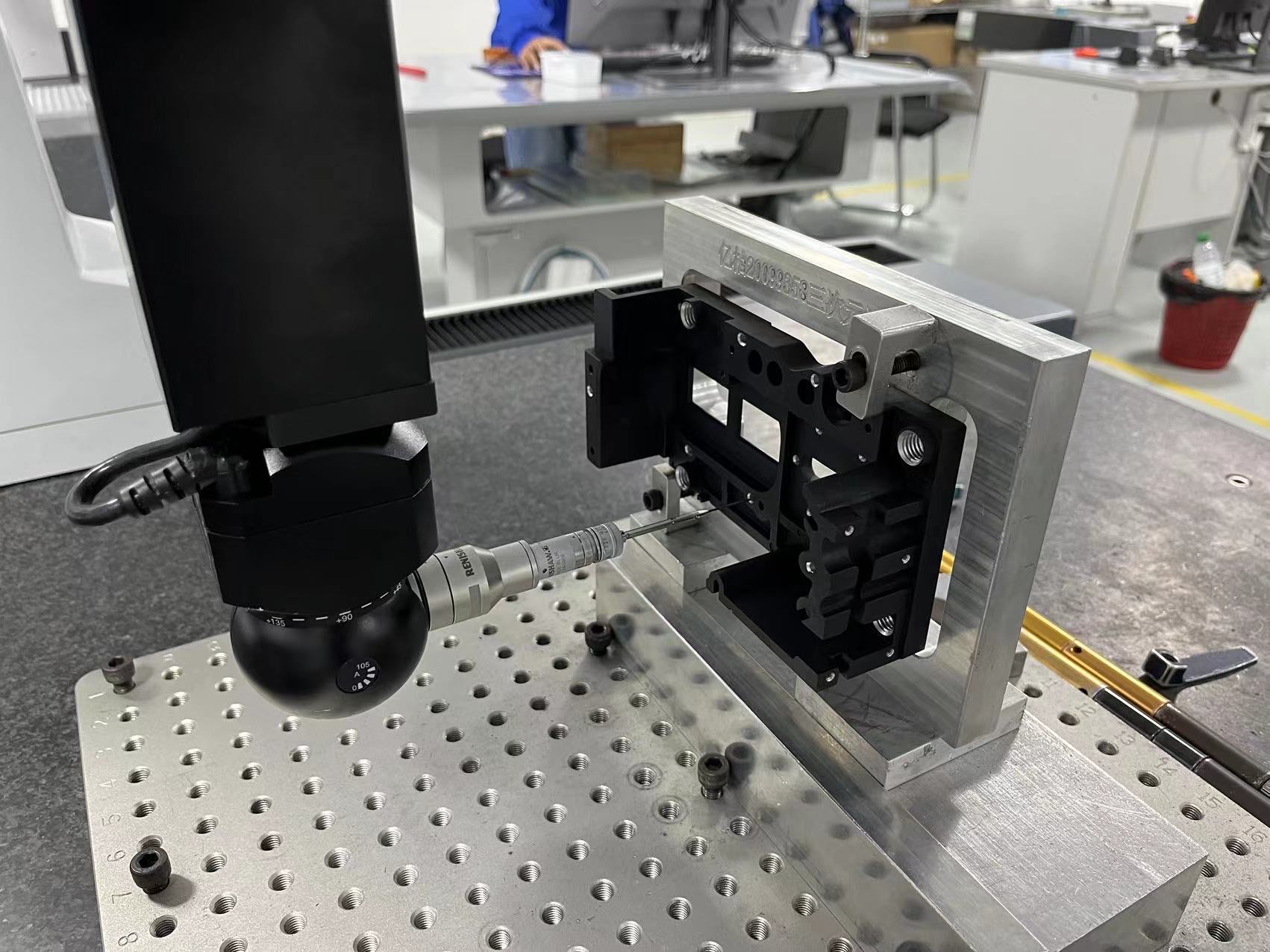
Best practices include implementing automated inspection systems, such as vision-based metrology, to verify tolerances in real-time. E-BI’s quality assurance includes 100% dimensional checks for critical features and environmental testing to ensure component reliability. By partnering with E-BI, manufacturers can overcome scalability challenges, achieving cost-effective, high-precision micro-molded IoT components for mass production.
Conclusion
Tolerance challenges in micro-molding for IoT components, driven by material behavior, precision tooling, process control, and scalability, require advanced expertise to ensure reliable, high-performance parts. These four drivers enable manufacturers to create miniature components that meet the stringent demands of IoT applications while supporting mass production. At E-BI, we address these challenges through our precision micro-molding capabilities in China, Vietnam, and Thailand, empowering businesses to innovate and succeed in the IoT market.
Whether you’re developing sensors, wearables, or smart home devices, E-BI is your trusted partner for overcoming micro-molding challenges. Our expertise in high-precision injection molding ensures that your IoT components deliver exceptional accuracy, reliability, and scalability. Visit E-BI.com to explore how we can collaborate to create micro-molded solutions that power your IoT innovations and drive your success in global markets.