

Autonomous robots operate in demanding environments, from industrial factories to outdoor logistics, requiring robust components that withstand wear, corrosion, and environmental stressors. Surface finishing, a critical manufacturing process, enhances the durability and performance of robotic components, ensuring they thrive in real-world conditions. As a global leader in technical manufacturing, E-BI leverages its facilities in China, Vietnam, and Thailand to deliver advanced surface finishing solutions that protect robots. This article explores the role of surface finishing in robot durability and how E-BI’s expertise drives innovation in robotics manufacturing.
The Role of Surface Finishing in Robotics
Surface finishing encompasses techniques like coating, plating, and polishing that enhance the durability, aesthetics, and functionality of robotic components. The global robotics market, valued at USD 40.1 billion in 2023, is projected to grow at a CAGR of 15.2% through 2030, driven by demand for durable automation solutions Grand View Research. Surface finishing protects critical robotic parts, such as chassis, gears, and enclosures, ensuring longevity and reliability.
Enhancing Durability and Corrosion Resistance
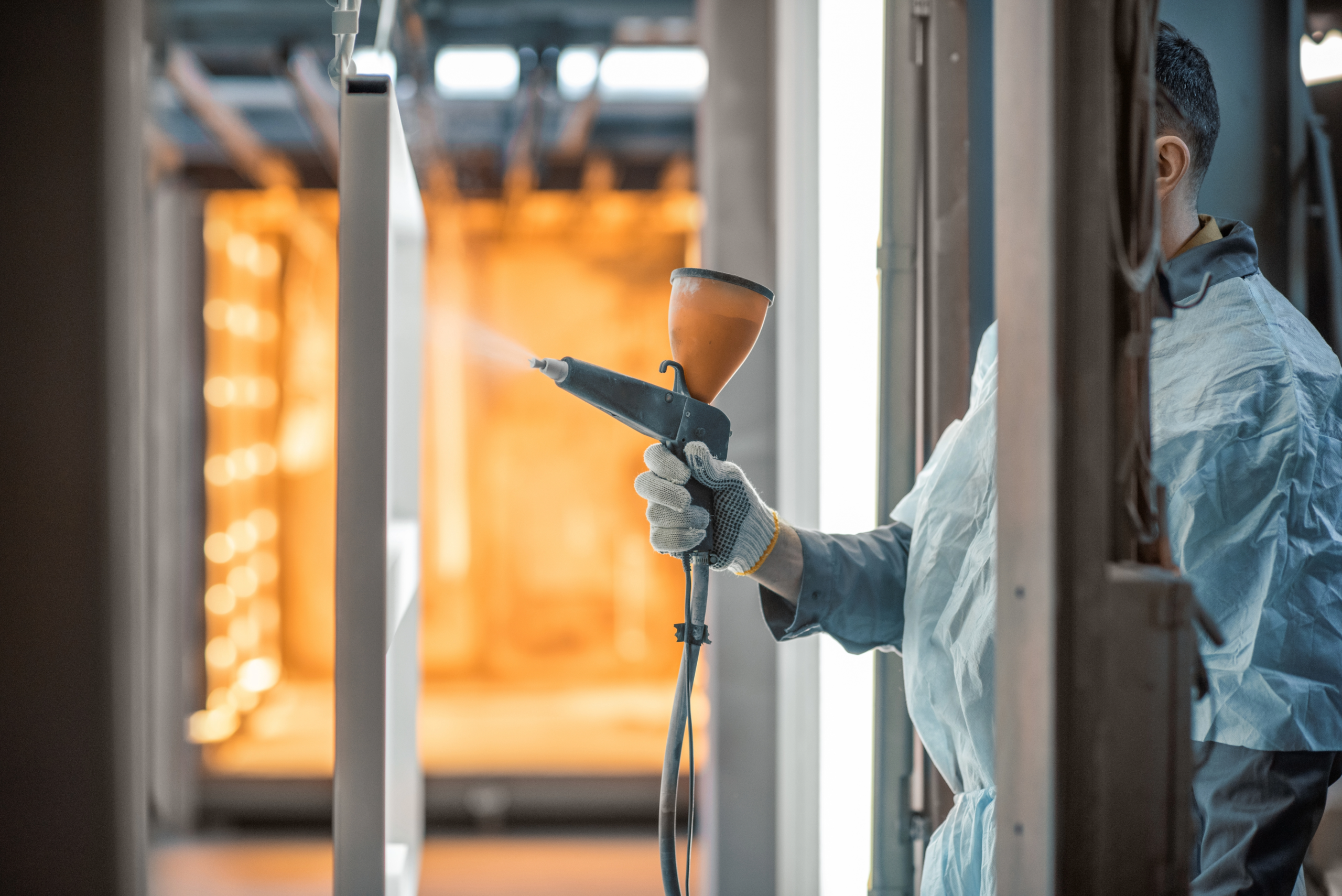
Robots face harsh conditions, including moisture, chemicals, and mechanical wear. Surface finishing techniques like powder coating and anodizing create protective layers that prevent corrosion and abrasion. For example, anodized aluminum enclosures in service robots resist rust and scratches, extending component lifespan Jabil.
Improving Performance and Aesthetics
Surface finishing improves functionality by reducing friction and enhancing wear resistance. Polished gears and joints in robotic arms ensure smoother operation, while coatings like Teflon reduce friction in moving parts Manufacturing Tomorrow. Additionally, finishes like powder coating enhance aesthetics, making robots appealing for consumer-facing applications.
Supporting IoT and Environmental Adaptability
IoT-enabled robots require components that protect sensitive electronics in diverse environments. Surface finishing, such as conformal coating, shields PCBs and sensors from moisture and dust, ensuring reliable IoT connectivity in smart robotics applications like logistics and healthcare Assembly Magazine.
E-BI’s Surface Finishing Expertise
E-BI’s manufacturing facilities in China, Vietnam, and Thailand are equipped with advanced surface finishing technologies, including powder coating, electroplating, and chemical vapor deposition, to deliver durable robotic components. Our expertise ensures protection, performance, and scalability.
Advanced Finishing Techniques
Our facilities use automated coating systems and precision polishing to apply uniform finishes with thicknesses as low as 0.01 mm. Techniques like powder coating and anodizing protect robotic chassis and joints from corrosion, while electroless nickel plating enhances wear resistance for high-stress components The Robot Report. Rigorous testing ensures finishes meet industry standards for durability.
Customized Finishing Solutions
E-BI tailors surface finishes to specific robotic applications, selecting coatings like epoxy or polyurethane for environmental resistance or aesthetic finishes for consumer robots. We integrate finishes with IoT-enabled components, ensuring protection without compromising connectivity Foundry Management & Technology.
Regional Manufacturing Strengths
China’s advanced manufacturing ecosystem provides access to cutting-edge finishing technologies and skilled engineers, driving innovation. Vietnam and Thailand offer cost-effective production and robust supply chains, enabling E-BI to deliver scalable finishing solutions for global robotics brands IndustryWeek.
Challenges in Surface Finishing for Robotics
Surface finishing for robotics faces challenges, including material compatibility, cost management, and integration with IoT systems. Some coatings may not adhere well to certain composites, while high-quality finishes like PVD can increase costs Wiley. IoT integration requires finishes that protect electronics without interfering with connectivity Automation World.
Overcoming Finishing Challenges
E-BI addresses these challenges through material testing to ensure coating compatibility and cost-effective processes like powder coating to balance quality and affordability. Our expertise in conformal coating protects IoT components, ensuring reliable connectivity and durability in smart robotics.
Protecting Robotics with E-BI
Surface finishing is critical for robot durability, protecting components from real-world stressors and enhancing performance. E-BI’s manufacturing expertise in China, Vietnam, and Thailand delivers advanced surface finishing solutions that ensure robust, reliable robots for diverse applications.
For robotics innovators aiming to build durable, high-performance robots, partnering with E-BI offers a strategic advantage. Our advanced finishing technologies and regional strengths can protect your robotic solutions with precision and scalability. Connect with E-BI today to safeguard the future of robotics.
Sources
- Grand View Research: Robotics Technology Market
- Jabil: Robotics Manufacturing Trends
- Manufacturing Tomorrow: Surface Finishing in Robotics
- Assembly Magazine: Surface Finishing for Robotics
- The Robot Report: Surface Finishing in Robotics
- Foundry Management & Technology: Surface Finishing for Robotics
- IndustryWeek: Durable Robotics Manufacturing
- Wiley: Surface Finishing Challenges in Robotics
- Automation World: IoT in Robotics Finishing