

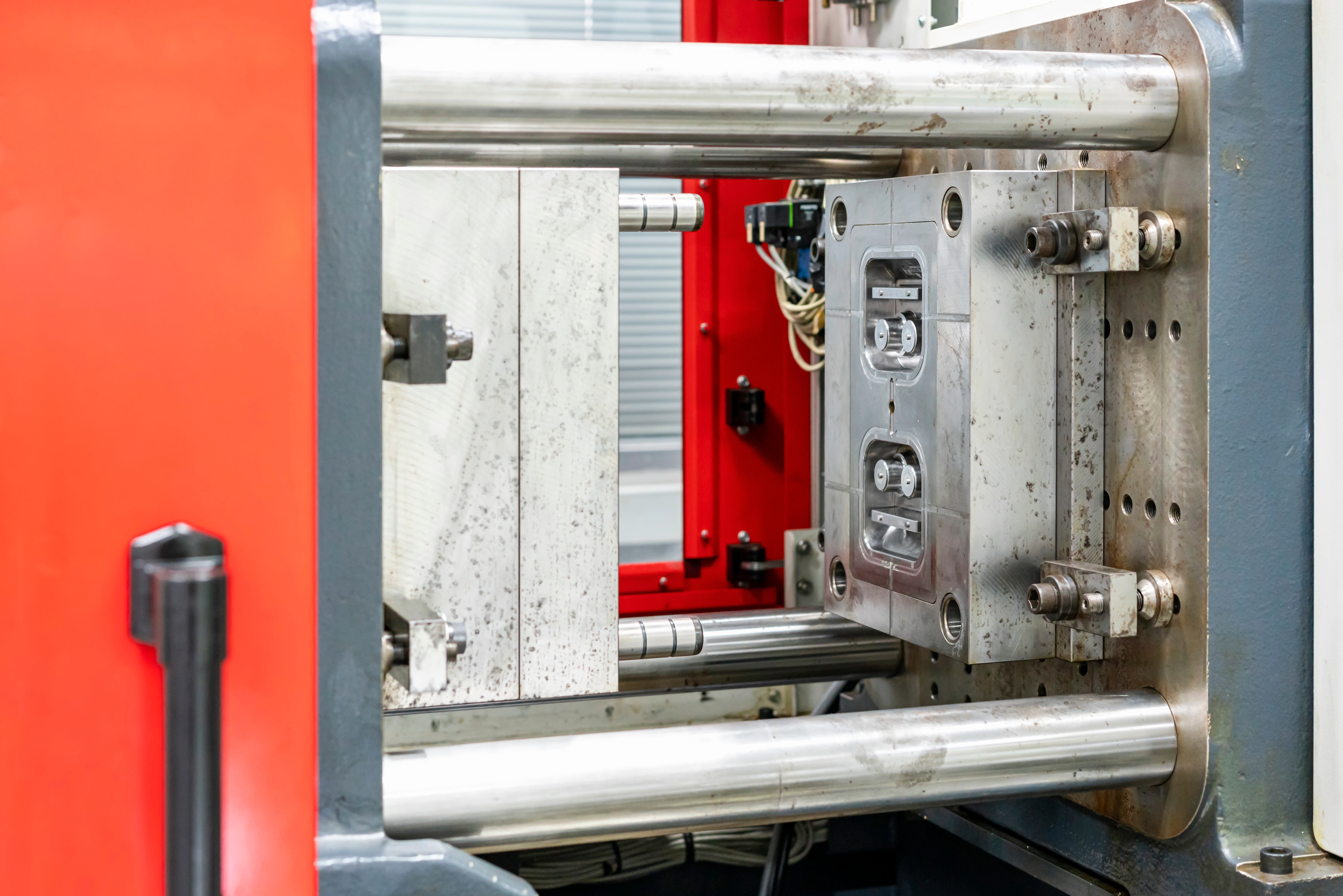
Robotics enclosures and housings protect critical components like electronics and sensors, ensuring durability and functionality in autonomous systems. Injection molding, a versatile manufacturing process, is key to producing these components at scale with precision and cost-efficiency. As a global leader in technical manufacturing, E-BI leverages its facilities in China, Vietnam, and Thailand to deliver high-quality injection-molded enclosures that power robotics innovation. This article explores how injection molding enables scalable robotics enclosures and housings and how E-BI’s expertise drives this transformation.
The Role of Injection Molding in Robotics Enclosures
Injection molding involves injecting molten material, typically plastic or reinforced composites, into precision molds to create complex, durable components. The global robotics market, valued at USD 40.1 billion in 2023, is projected to grow at a CAGR of 15.2% through 2030, driven by demand for scalable automation solutions Grand View Research. Injection molding is ideal for producing robotic enclosures and housings, offering consistency, strength, and scalability.
Precision and Complex Geometries
Robotics enclosures require precise designs to house electronics, sensors, and wiring while maintaining structural integrity. Injection molding achieves tight tolerances, often within 0.01 mm, enabling complex geometries like integrated mounting points and ventilation channels Jabil. For example, enclosures for service robots must protect delicate components while fitting compact designs.
Durability and Material Versatility
Enclosures and housings must withstand mechanical stress, environmental factors, and wear. Injection molding supports materials like ABS, polycarbonate, and reinforced composites, offering durability and lightweight properties. These materials protect robotic components in harsh environments, such as industrial factories or outdoor logistics Manufacturing Tomorrow.
Scalability for Mass Production
Injection molding’s high-speed, repeatable process enables the production of thousands of identical enclosures, making it ideal for scaling robotics manufacturing to meet growing demand. Multi-cavity molds further enhance efficiency, reducing costs for large-scale production Assembly Magazine.
E-BI’s Injection Molding Expertise
E-BI’s manufacturing facilities in China, Vietnam, and Thailand are equipped with advanced injection molding technologies, including high-precision machines and multi-cavity molds, to deliver robust robotics enclosures and housings. Our expertise ensures quality, scalability, and cost-efficiency.
Advanced Molding Capabilities
Our state-of-the-art injection molding machines support complex mold designs, achieving tolerances as tight as 0.01 mm. We use automated systems for consistent production, ensuring enclosures meet precise specifications for robotics applications like industrial arms and autonomous drones The Robot Report. Rigorous quality control verifies structural integrity and fitment.
Material and IoT Integration
E-BI works with a range of materials, from lightweight plastics to metal-filled composites, to produce enclosures that balance strength and weight. Our expertise in overmolding integrates sensors and IoT modules into housings, enabling smart robotics functionalities like real-time monitoring Foundry Management & Technology.
Regional Manufacturing Strengths
China’s advanced manufacturing ecosystem provides access to cutting-edge molding technologies and skilled engineers, driving innovation. Vietnam and Thailand offer cost-effective production and robust supply chains, enabling E-BI to deliver scalable enclosure solutions for global robotics brands IndustryWeek.
Challenges in Injection Molding for Robotics
Injection molding for robotics enclosures faces challenges, including high tooling costs, material selection complexities, and IoT integration. Complex molds can be expensive, while choosing the right material requires balancing durability and cost Wiley. Integrating IoT-enabled components adds manufacturing complexity Automation World.
Overcoming Molding Challenges
E-BI mitigates these challenges through optimized mold design, using simulation to reduce tooling costs. Our material expertise ensures the right plastics or composites for each application, and our IoT integration capabilities enable seamless incorporation of smart features into enclosures.
Scaling Robotics with E-BI
Injection molding is a cornerstone of scalable robotics enclosures and housings, delivering precise, durable, and cost-effective components. E-BI’s manufacturing expertise in China, Vietnam, and Thailand ensures high-quality enclosures that protect and enhance autonomous robotic systems.
For robotics innovators aiming to scale production with reliable enclosures, partnering with E-BI offers a strategic edge. Our advanced injection molding capabilities and regional strengths can bring your robotic solutions to market with precision and efficiency. Connect with E-BI today to drive the future of robotics.
Sources
- Grand View Research: Robotics Technology Market
- Jabil: Robotics Manufacturing Trends
- Manufacturing Tomorrow: Injection Molding in Robotics
- Assembly Magazine: Injection Molding for Robotics
- The Robot Report: Injection Molding for Robotics Enclosures
- Foundry Management & Technology: Injection Molding for Robotics
- IndustryWeek: Scalable Robotics Manufacturing
- Wiley: Robotics Manufacturing Challenges
- Automation World: IoT in Robotics Manufacturing