

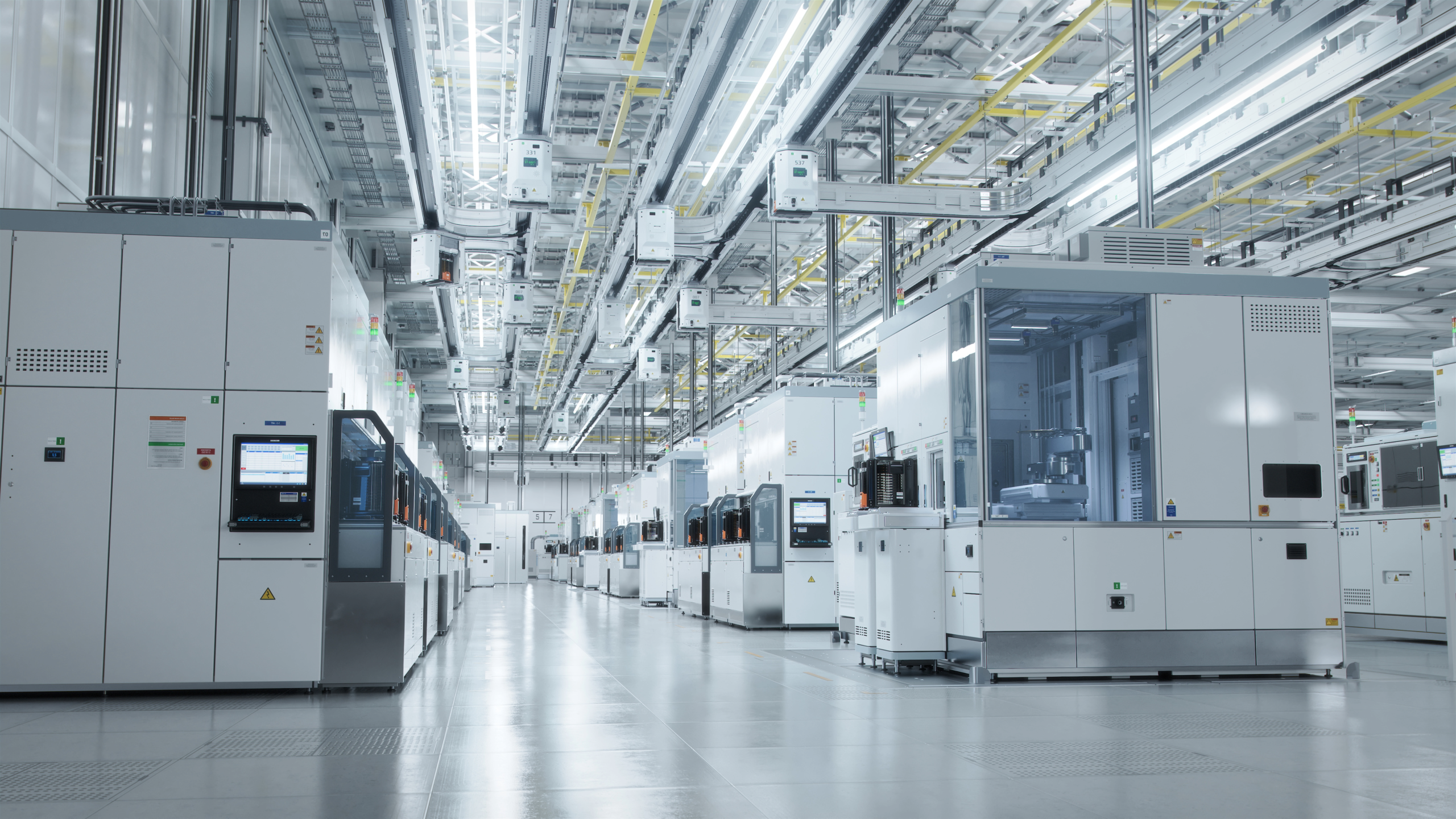
Medical-grade electronics—PCBAs used in implantable devices, surgical tools, diagnostic instruments, and patient monitoring systems—must be manufactured in controlled environments to eliminate contamination risks. Cleanroom production standards are non-negotiable for patient safety and regulatory compliance. With ISO 13485-certified cleanroom facilities across China, Vietnam, and Thailand, E-BI delivers the stringent cleanliness, process control, and traceability required by the medical device industry. This article explains the critical role of cleanroom standards in medical electronics manufacturing and how E-BI meets and exceeds global requirements.
Why Cleanrooms Are Essential for Medical Electronics
Even microscopic particles can cause catastrophic failures in medical devices. A single dust particle on a pacemaker lead can create a short circuit, while microbial contamination on a surgical robot controller can lead to infection risks. The global medical electronics market is expected to exceed USD 8.5 billion by 2030, with cleanroom manufacturing being a key enabler Grand View Research.
Cleanroom Classifications for Medical Devices
Most medical electronics require ISO Class 7 (Class 10,000) or Class 8 (Class 100,000) cleanrooms:
- ISO Class 7 → ≤352,000 particles ≥0.5 μm per m³
- ISO Class 8 → ≤3,520,000 particles ≥0.5 μm per m³
Implantables and sterile-contact devices often demand ISO Class 5–6 environments Jabil.
Key Cleanroom Controls
Critical controls include:
- HEPA/ULPA filtration (99.999% efficiency at 0.12 μm)
- Positive pressure differential
- Temperature & humidity control (±2 °C / ±5 % RH)
- Electrostatic discharge (ESD) protection (ANSI/ESD S20.20)
- Continuous particle and microbial monitoring
These controls prevent particulate, chemical, and biological contamination throughout assembly Assembly Magazine.
E-BI’s Cleanroom Manufacturing Capabilities
E-BI operates multiple ISO 13485-certified cleanrooms across its three regions, supporting the full spectrum of medical-grade electronics production.
Cleanroom Infrastructure
Our facilities feature:
- ISO Class 7 & Class 8 cleanrooms with Class 5 laminar flow workstations
- Real-time particle counters and microbial sampling
- Full ESD flooring, ionized air, and grounded workstations
- Automated material handling to minimize human intervention
All cleanrooms are validated per ISO 14644 and regularly re-certified.
Medical-Grade Process Controls
We implement:
- Full lot traceability from raw material to finished device
- Device History Records (DHR) and Device Master Records (DMR)
- Biocompatibility testing of adhesives, coatings, and cleaning agents
- IPC-A-610 Class 3 and IPC J-STD-001 medical addendum compliance
Regional Advantages
China provides rapid scaling and access to advanced equipment. Vietnam and Thailand offer cost-effective capacity with shorter lead times to European and North American markets, all under the same quality system IndustryWeek.
Challenges in Medical Cleanroom Manufacturing
Key challenges include:
- Maintaining consistent cleanliness during high-mix production
- Preventing cross-contamination between device classes
- Managing long-term component obsolescence while staying compliant
- Balancing cost pressures with zero-defect expectations
E-BI mitigates these through segregated lines, dedicated cleanroom garments, and proactive obsolescence management programs Wiley.
Powering Medical Innovation with E-BI
Cleanroom production standards are non-negotiable for medical-grade electronics manufacturing. E-BI’s ISO 13485-certified facilities in China, Vietnam, and Thailand deliver the cleanliness, traceability, and process control required by the world’s leading medical device OEMs.
For companies developing diagnostic, therapeutic, or monitoring devices—whether high-volume disposables or complex capital equipment—partnering with E-BI ensures your electronics meet the highest regulatory and clinical standards. Connect with E-BI today to bring your medical vision safely to patients worldwide.