

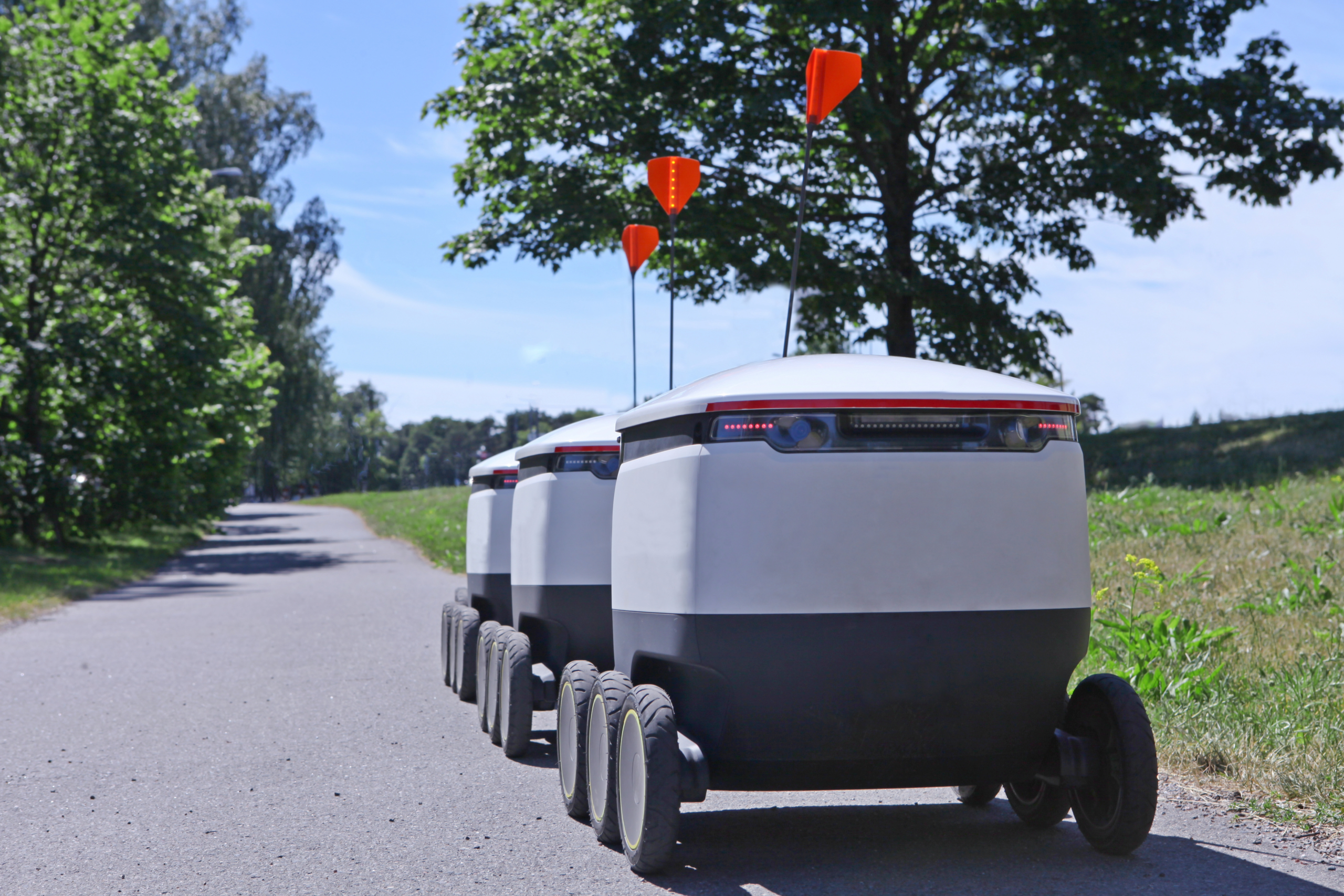
Autonomous robots—AMRs, collaborative arms, delivery bots, inspection drones—require structural components that balance weight, strength, rigidity, cost, and manufacturability. Two of the most common production methods for frames, housings, brackets, and chassis are aluminum extrusion and aluminum die casting (or other casting methods). Choosing between them significantly impacts robot performance, payload capacity, battery life, and total cost of ownership.
This article compares extruded vs. cast parts head-to-head for autonomous robotic applications and explains when each method is superior.
Extruded vs. Cast Parts: Head-to-Head Comparison
| Criterion | Extruded Parts (Aluminum Profiles) | Cast Parts (Die Casting / Investment Casting) |
|---|---|---|
| Strength-to-Weight Ratio | Excellent (continuous grain flow, work-hardened surface) | Good to very good (but porosity can reduce fatigue strength) |
| Weight | Very good (thin walls, optimized profiles) | Good (thicker minimum walls, draft angles add mass) |
| Rigidity / Torsional Stiffness | Excellent (I-beam, box, or truss-like profiles) | Good (but requires thicker sections for same stiffness) |
| Fatigue Resistance | Superior (aligned grain structure) | Good (porosity & inclusions reduce life) |
| Surface Finish | Very good (smooth after anodizing) | Excellent (as-cast die cast surface is smooth) |
| Geometric Complexity | Limited (linear profiles + secondary machining) | Excellent (undercuts, bosses, thin ribs possible) |
| Modularity / Reconfigurability | Excellent (T-slot systems, easy to cut & bolt) | Poor (fixed shape after casting) |
| Tooling Cost | Low to medium (dies are cheaper & faster to make) | High (steel dies expensive, long lead time) |
| Production Volume Sweet Spot | Low to high (prototypes to millions) | Medium to very high (amortize die cost) |
| Lead Time (First Parts) | Fast (days to weeks) | Slower (weeks to months for die) |
| Cost per Part (High Volume) | Medium | Lower (once die is amortized) |
When to Choose Extruded Parts for Autonomous Robots
Extrusion is usually the better choice when:
- Prototyping or small-to-medium production runs (faster, lower tooling cost)
- Modular/reconfigurable designs (T-slot framing allows easy changes)
- Long structural beams, linear guides, or gantry frames
- Weight is extremely critical (battery-powered mobile robots, drones)
- High stiffness-to-weight ratio is needed (long unsupported spans)
- Rapid iteration is required during development
When to Choose Cast Parts for Autonomous Robots
Die casting or investment casting is usually superior when:
- High-volume production (>10,000–50,000 units/year)
- Complex 3D geometries with bosses, ribs, undercuts, or integrated features
- Very smooth cosmetic surfaces are required (consumer-facing service robots)
- Thin-walled, intricate housings with many mounting points
- Heat dissipation is critical (integrated cooling fins)
- Lowest per-part cost is the top priority after tooling is amortized
Hybrid Approach: When to Combine Extrusion & Casting
Many advanced autonomous robots use both:
- Extruded linear beams & frames for modularity and low weight
- Cast end-effector mounts, motor housings, or complex nodes for intricate geometry
E-BI routinely manufactures hybrid assemblies, machining cast nodes to fit extruded profiles with precise alignment.
Conclusion: No Universal Winner – Context Decides
There is no single “better” method—extrusion excels in modularity, speed-to-market, and lightweight linear structures, while casting wins in high-volume complex geometries and cosmetic surfaces.
For most autonomous robot developers, the optimal strategy is:
- Use extrusion for frames, arms, gantries, and structural beams
- Use casting for complex housings, mounts, and end-effector bases
- Combine both in hybrid assemblies
E-BI’s dual expertise in extrusion and die casting—combined with full machining, finishing, and assembly—lets you choose the best process (or combination) for each part of your robot. Connect with E-BI today to build lighter, stronger, and more cost-effective autonomous robots.