

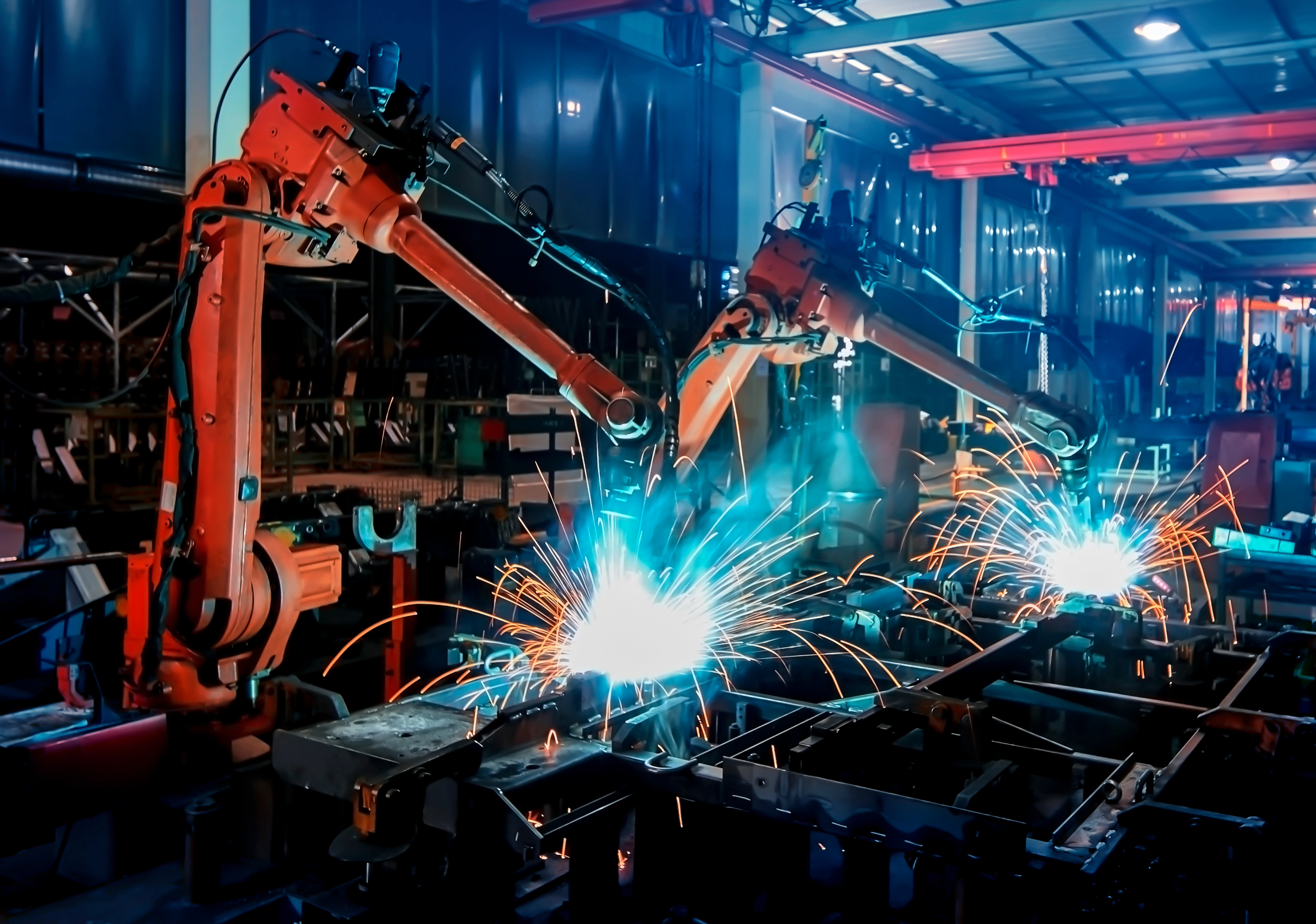
Metal forming for robotics—stamping chassis plates, cold forging gears, extruding frame rails, roll-forming guide tracks, and bending complex brackets—has traditionally relied on physical die trials, prototype runs, and iterative adjustments. This “try-and-fix” approach is slow, expensive, and generates significant scrap. Advanced simulation tools (FEA, forming simulation software, digital twins, and AI-driven optimization) are now revolutionizing the process, slashing development time, reducing costs, and improving part quality. As a simulation-driven manufacturer, E-BI integrates forming simulation into every project at its facilities in China, Vietnam, and Thailand. This article explains how simulation is transforming metal forming for robotic design and the tangible benefits robotics companies gain by partnering with simulation-savvy suppliers like E-BI.
The Traditional vs. Simulation-Driven Metal Forming Workflow
Old way (physical trial & error):
- Design part → create die → produce trial parts → inspect → adjust die → repeat (weeks to months)
- High scrap rates (20–60% during development)
- Tooling modifications expensive & time-consuming
- Limited visibility into material flow, stress, thinning
Simulation-driven way:
- Digital part & die design → full forming simulation → predict defects → optimize → validate → build die → minimal trials
- Scrap reduced by 70–90% in development phase
- First-time-right dies common
- Full visibility into strain, thinning, wrinkling, cracking
Core Simulation Tools Used in Robotic Metal Forming
1. Forming Simulation Software (AutoForm, PAM-STAMP, Simufact Forming, QForm)
These tools model material flow, stress, strain, thinning, wrinkling, cracking, and spring-back before any steel is cut.
Typical robotic applications:
- Simulate multi-stage stamping of chassis plates & covers
- Predict spring-back in CNC-bent frame rails
- Optimize die design for cold-forged gears & yokes
- Analyze material flow in roll-formed guide rails
2. Finite Element Analysis (FEA) for Structural Performance
ANSYS, Abaqus, or similar tools simulate how formed parts behave under real robot loads (payload, acceleration, vibration, impact).
Benefits: validate that stamped or bent chassis will not deflect under max load, and forged joints will survive fatigue cycles.
3. Digital Twins & Real-Time Monitoring
Digital twins of forming lines and dies use sensor data (press force, die temperature, vibration) to predict wear, optimize parameters, and schedule maintenance before failures occur.
4. AI & Machine Learning for Optimization
AI algorithms now:
- Auto-optimize die geometry & process parameters
- Predict defects from historical data
- Reduce trial iterations by 50–80%
E-BI’s Simulation-Driven Metal Forming for Robotics
E-BI integrates simulation at every stage of robotic component development and production.
Simulation-First Workflow
Every new part starts with:
- AutoForm / Simufact forming simulation to predict material flow, thinning, and spring-back
- FEA validation of structural performance under robot loads
- Digital twin setup for production line monitoring
Benefits Delivered to Robotics Customers
- 50–80% reduction in die development time
- 70–90% less scrap during tooling validation
- 80–95% first-time-right dies
- Lower tooling cost through fewer modifications
- Improved part quality & consistency
- Faster time-to-market for new robot designs
Regional Manufacturing Advantages
China houses advanced simulation teams and high-capacity forming lines. Vietnam and Thailand provide cost-competitive production with integrated digital twin monitoring for global robotics OEMs IndustryWeek.
Challenges & How Simulation Solves Them
Common challenges in robotic metal forming:
- High spring-back in high-strength alloys
- Thinning/cracking in deep-drawn or tight-radius parts
- Wrinkling in thin-wall stampings
- Long development cycles for new robot designs
- High scrap during initial production ramp
Simulation solves these by predicting defects digitally, optimizing parameters before physical trials, and reducing iterations from 10–20 to 1–3 Wiley.
Scaling Robotics with Simulation-Powered Forming from E-BI
Simulation has transformed metal forming from an art to a predictable, data-driven science—enabling robotics companies to scale faster, cut costs, reduce waste, and improve quality. E-BI’s simulation-first approach and automated forming lines in China, Vietnam, and Thailand deliver the precision, speed, and sustainability required for high-volume robotic components.
For robotics teams developing industrial arms, cobots, AMRs, delivery bots, or agricultural platforms, partnering with E-BI provides a strategic advantage. Our simulation-driven metal forming expertise and regional strengths can help you achieve first-time-right parts, lower development costs, and faster market entry. Connect with E-BI today to simulate and scale the future of robotics manufacturing.