

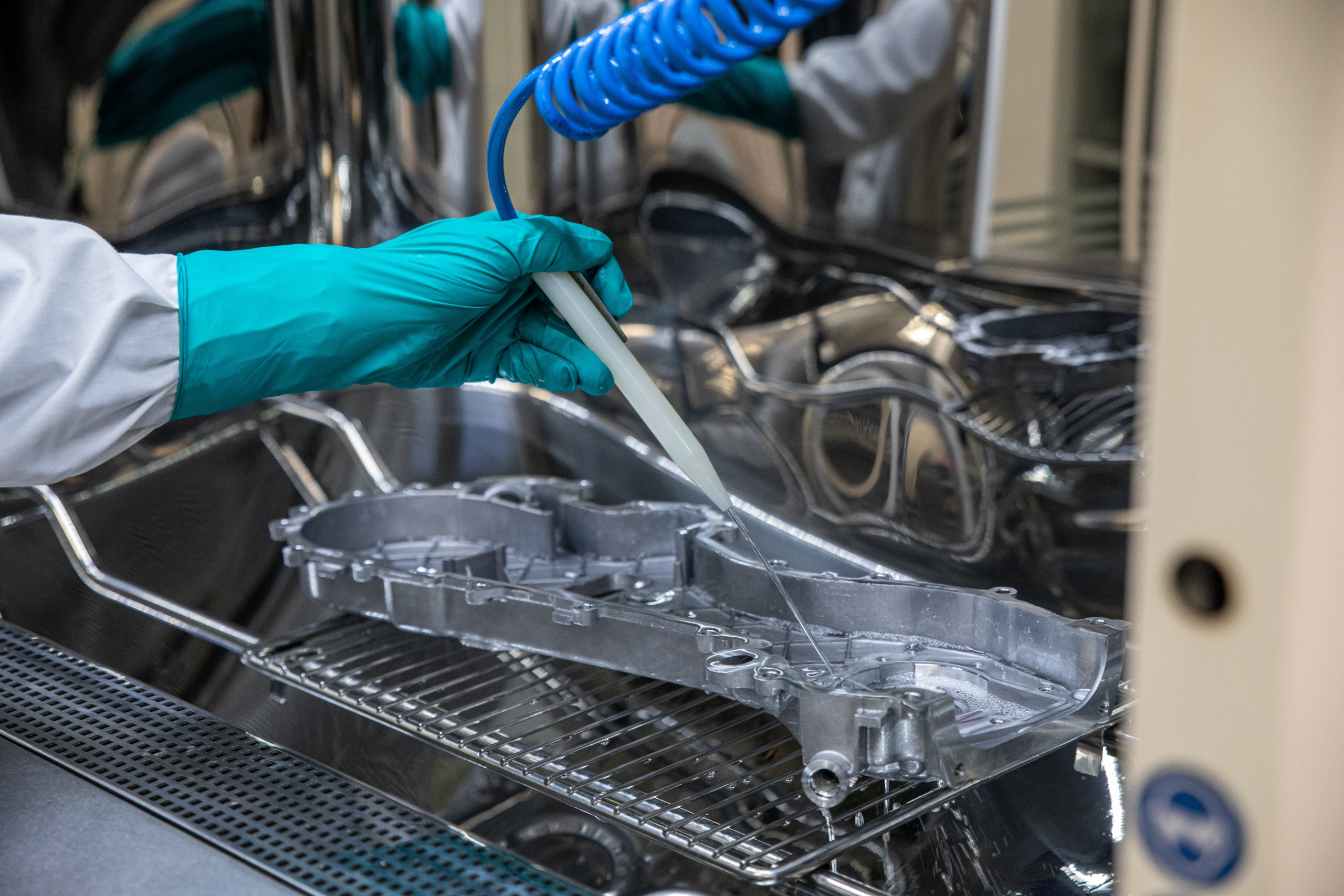
Formed metal components (stamped, forged, extruded, bent, roll-formed) used in industrial, collaborative, mobile, and autonomous robots are exposed to wear, corrosion, impact, fatigue, UV, chemicals, and temperature extremes. The right post-forming surface treatment dramatically extends service life, improves appearance, reduces friction, and enhances performance. As a full-service metal forming specialist, E-BI integrates advanced surface treatments at its facilities in China, Vietnam, and Thailand. This article reviews the most effective post-forming treatments for robotic components and best-practice recommendations for each major robot type.
Most Common Post-Forming Surface Treatments in Robotics
| Treatment | Best For | Benefits | Typical Use in Robots |
|---|---|---|---|
| Anodizing (Type II & III) | Aluminum extrusions, bent/stamped parts | Hard, wear-resistant oxide layer; excellent corrosion resistance; electrical insulation; aesthetic color options | Chassis rails, housings, brackets, sensor mounts, arms |
| Powder Coating / E-Coat | Steel & aluminum formed parts | Thick, durable finish; superior corrosion protection; impact & scratch resistance; color matching | Enclosures, covers, frames, battery trays, structural plates |
| Passivation (Nitric/Citric) | Stainless steel stamped/forged parts | Removes free iron; forms passive chromium oxide layer; excellent corrosion resistance | Food-grade robots, medical cobots, outdoor units, joints |
| Shot Peening / Laser Peening | Forged gears, shafts, yokes, links | Induces compressive stress → 20–50% fatigue life improvement; surface work-hardening | High-cycle gears, pivot joints, load-bearing linkages |
| PVD / CVD Coatings (TiN, TiAlN, DLC) | Gears, shafts, sliding surfaces | Extremely hard (2,000–3,000 HV); low friction; high wear resistance | Gear teeth, bearing journals, sliding joints, end-effectors |
| Electroless Nickel / Hard Chrome | Steel & aluminum parts | High hardness, excellent wear & corrosion resistance, uniform thickness | Hydraulic cylinder rods, guide rails, wear pads |
| Chemical Conversion (Alodine, Iridite) | Aluminum parts before painting | Corrosion protection; excellent paint adhesion; electrical conductivity | Chassis before powder coating, electrical grounding surfaces |
Best Practices by Robot Type
Industrial 6-Axis & SCARA Robots
Primary treatments: anodizing on aluminum arms/housings + shot peening on forged gears/shafts + PVD on gear teeth. Focus on fatigue and wear resistance.
Collaborative Robots (Cobots)
Primary treatments: powder coating or anodizing for aesthetics & corrosion resistance + passivation on stainless joints. Emphasis on appearance and safety (no sharp edges).
Autonomous Mobile Robots (AMRs) & AGVs
Primary treatments: e-coat + powder coat on chassis & covers + anodizing on extruded frames + electroless nickel on wheel hubs. Focus on corrosion, impact, and dust resistance.
Delivery & Service Robots (Outdoor)
Primary treatments: powder coating + anodizing + passivation on stainless parts. Must survive rain, UV, road salt, and vandalism.
Agricultural & Construction Robots
Primary treatments: galvanizing or heavy powder coat + shot peening on forged parts + hard chrome on wear surfaces. Must endure mud, chemicals, and abrasion.
E-BI’s Post-Forming Surface Treatment Capabilities
E-BI integrates surface treatment directly into the production flow for seamless, high-quality robotic components.
In-House & Partnered Finishing
We offer or manage:
- Type II & III anodizing (up to 50 μm hardcoat)
- Automated powder coating lines (epoxy, polyester, hybrid)
- Electroless nickel & hard chrome plating
- PVD / DLC coatings via trusted partners
- Shot peening & laser peening
- Passivation & chemical conversion lines
Quality & Compliance
All treatments are:
- Tested for adhesion (ASTM D3359), hardness, corrosion (salt spray), wear
- Compliant with RoHS, REACH, FDA food-contact where required
- 100% inspected for coverage & defects
Regional Manufacturing Advantages
China offers full in-house anodizing & plating capacity. Vietnam and Thailand provide cost-competitive finishing with short lead times to global robotics OEMs IndustryWeek.
Choosing the Right Post-Forming Treatment
Use this decision guide:
- High wear/fatigue → shot peening + PVD/DLC
- Outdoor/corrosion → powder coat + anodizing/passivation
- Cosmetic & lightweight → anodizing
- Food/pharma contact → passivation or electropolishing
- High-heat areas → hard chrome or ceramic coating
Maximizing Robot Life with E-BI
The right post-forming surface treatment can extend robotic component life 2–5× while improving performance and reducing maintenance. E-BI’s integrated forming and finishing expertise in China, Vietnam, and Thailand delivers the surface treatments that robotics companies need for durable, reliable operation in real-world conditions.
For teams designing industrial arms, cobots, AMRs, delivery bots, or agricultural robots, partnering with E-BI provides a strategic advantage. Our comprehensive post-forming treatment capabilities and regional strengths can help you maximize durability, reduce wear, and improve product lifespan. Connect with E-BI today to protect the future of your robots.