

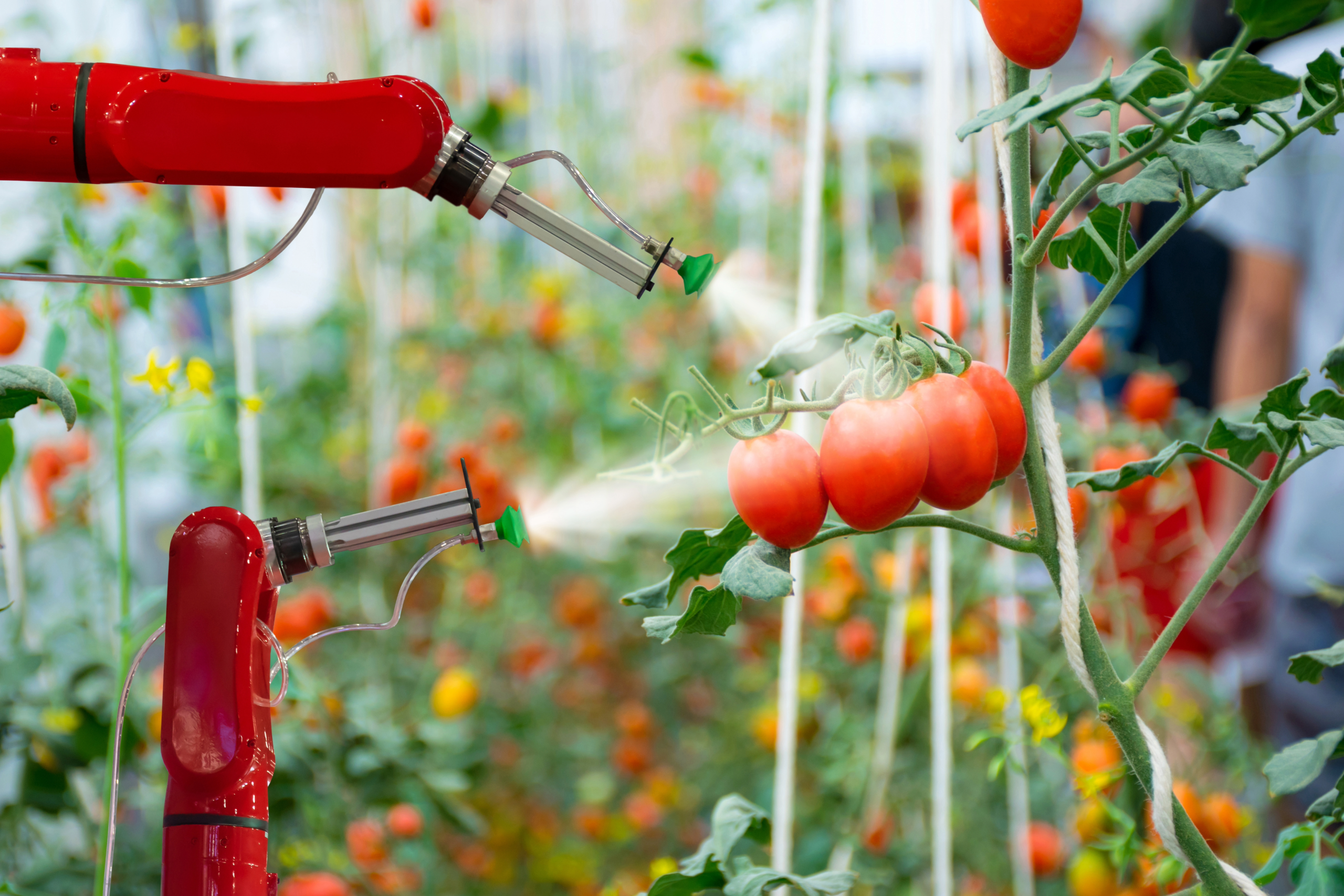
Agricultural robotics—autonomous tractors, precision sprayers, harvesting robots, weeding bots, and soil-monitoring platforms—must withstand dust, vibration, UV exposure, moisture, chemicals, and temperature extremes while keeping weight low for battery efficiency and minimizing cost for widespread farmer adoption. Metal forming processes (stamping, cold/hot forging, extrusion, roll-forming, and CNC bending) remain the backbone for structural, load-bearing, and protective components in AgTech. As a specialist in precision metal forming, E-BI optimizes these processes for agricultural robotics in its facilities in China, Vietnam, and Thailand. This article explains how to optimize metal forming for AgTech robots and how E-BI delivers high-performance, cost-effective solutions.
Unique Demands of Agricultural Robotics on Metal Components
Unlike warehouse AMRs or urban delivery bots, agricultural robots face:
- Extreme environmental exposure: dust, mud, rain, UV, fertilizers/pesticides
- High vibration & shock from rough terrain & heavy implements
- Long duty cycles in remote locations with limited maintenance
- Weight sensitivity for battery-powered or solar-assisted machines
- Cost sensitivity — farmers require low upfront & operating costs
- Regulatory & hygiene needs in livestock & greenhouse applications
Optimizing Metal Forming Processes for AgTech Robots
1. Stamping & Progressive Die Forming
Best for: protective covers, sensor brackets, battery trays, implement mounts, cab panels
Optimization strategies:
- Use HSLA steel or 5052-H32 aluminum for high strength-to-weight
- Progressive dies with in-die tapping & coining for integrated features
- Pre-galvanized or pre-painted coil to reduce post-forming corrosion protection cost
- Edge trimming & hemmed flanges to eliminate sharp edges & improve safety
2. Cold Forging
Best for: wheel hubs, pivot pins, linkage yokes, gearbox shafts, hitch components
Optimization strategies:
- Multi-stage progression for near-net-shape teeth & splines
- High-strength case-hardening steels (16MnCr5, 18CrNiMo7-6)
- Shot peening after forging to boost fatigue life
- Flashless forging for reduced machining allowance
3. Aluminum Extrusion + CNC Bending
Best for: frame rails, cross-members, mast structures, sensor bars
Optimization strategies:
- Thin-wall, multi-hollow profiles for max stiffness-to-weight
- Integrated T-slots & cable channels to reduce secondary assembly
- Post-extrusion CNC bending for custom angles & curves
- 6061-T6 or 6082-T6 alloys with anodizing for UV & corrosion resistance
4. Roll Forming
Best for: long guide rails, conveyor side channels, structural stringers
Optimization strategies:
- Pre-galvanized steel coil for outdoor corrosion resistance
- In-line punching/notching for mounting holes
- Integrated tracks or cable trays in one continuous profile
- Lengths up to 12 m without joints
E-BI’s Optimized Metal Forming for Agricultural Robotics
E-BI combines multiple forming technologies with secondary operations to produce complete structural assemblies optimized for AgTech.
Material & Process Selection Guidance
We help customers choose:
- Extrusion + bending for long, modular frames
- Stamping for high-volume covers & brackets
- Cold forging for high-load pivots & hubs
- Roll forming for continuous guide rails
Ruggedization for Field Conditions
All parts receive:
- Galvanizing or powder coating for corrosion resistance
- Conformal coating & potting on electronics
- IP67/IP68 enclosures & sealed connectors
- Vibration & shock testing (5–2000 Hz, 50 g)
- Thermal cycling (−40 °C to +85 °C)
Regional Manufacturing Advantages
China offers high-tonnage capacity and integrated heat treatment. Vietnam and Thailand provide cost-competitive production with short lead times to North America, Europe, South America, and Australia IndustryWeek.
Challenges & Optimization Strategies in AgTech Metal Forming
Key challenges include:
- Balancing weight & durability for battery-powered robots
- Surviving chemical exposure & UV degradation
- Achieving tight tolerances on long extruded/roll-formed profiles
- Maintaining fatigue life under millions of cycles
- Keeping costs low enough for farmer adoption
E-BI optimizes through material selection (HSLA steel, anodized aluminum), advanced die simulation, fatigue testing, and hybrid manufacturing (forming + machining + assembly) Wiley.
Powering Precision Agriculture with E-BI
Optimized metal forming processes are essential for producing durable, lightweight, and cost-effective components for agricultural robotics. E-BI’s multi-process expertise in China, Vietnam, and Thailand helps AgTech companies build autonomous tractors, sprayers, harvesters, and monitoring platforms that perform reliably in the field.
For teams developing precision farming robots, autonomous equipment, or sensor-heavy AgTech platforms, partnering with E-BI provides a strategic advantage. Our proven metal forming optimization and regional strengths can help you achieve superior durability, reduced weight, and competitive pricing. Connect with E-BI today to form the future of agricultural robotics.