

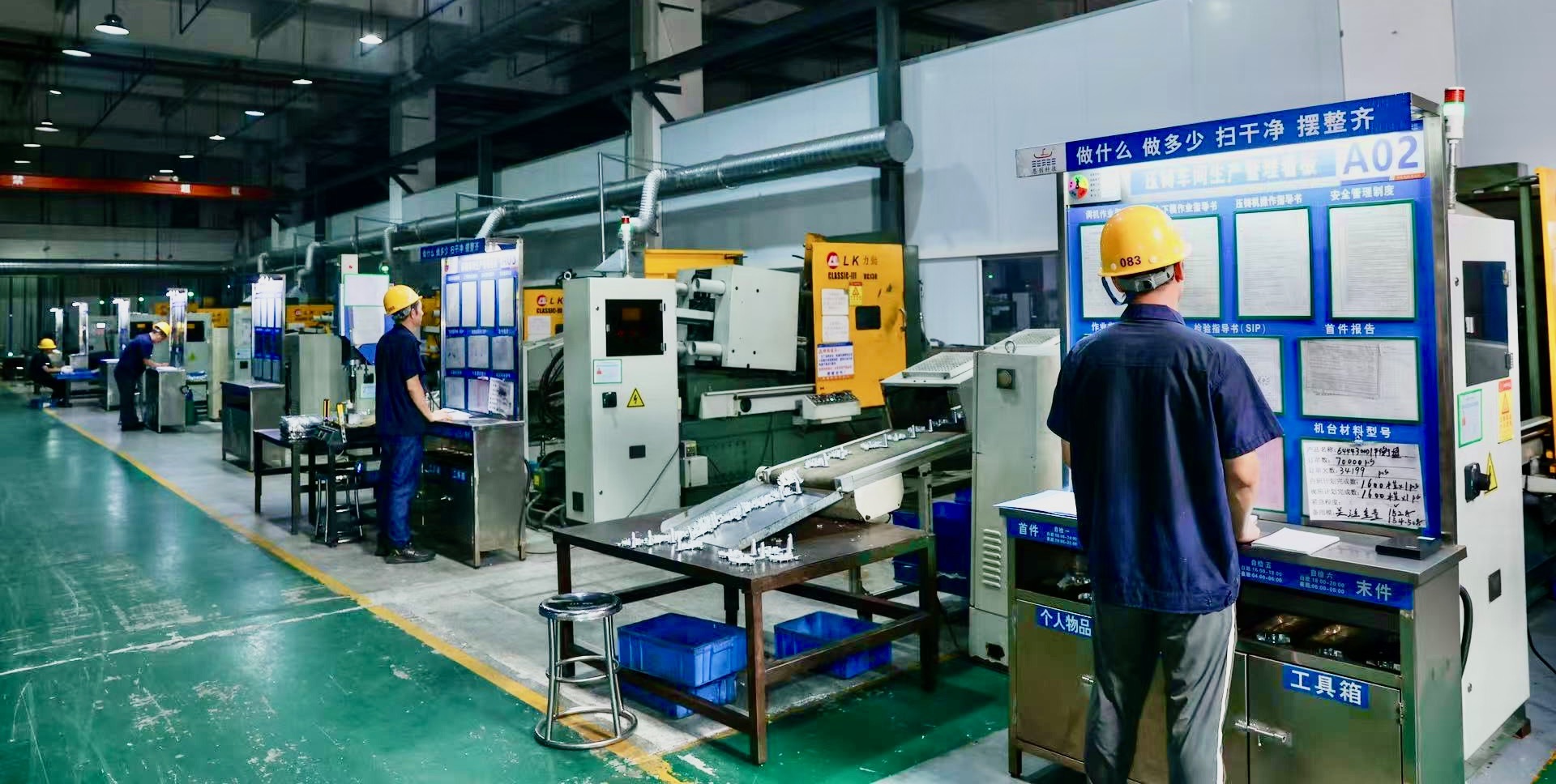
Selecting the right contract manufacturing (CM) partner is a critical decision for Original Equipment Manufacturers (OEMs) looking to outsource production while maintaining quality, efficiency, and cost-effectiveness. A trusted CM can streamline your supply chain, accelerate time-to-market, and enhance product reliability, while a poor choice can lead to delays, defects, and financial losses. As a leading contract manufacturer with facilities in China, Vietnam, and Thailand, E-BI understands the complexities of global manufacturing and offers tailored solutions for industries like electronics, medical devices, and automotive. This comprehensive guide outlines the key factors to consider when choosing a contract manufacturing partner, empowering OEMs to make informed decisions and highlighting why E-BI is the ideal choice for your manufacturing needs.
Why Choosing the Right Contract Manufacturer Matters
Contract manufacturing involves outsourcing production tasks—such as component fabrication, assembly, or full-scale manufacturing—to a third-party manufacturer. This model allows OEMs to leverage specialized expertise and infrastructure without the capital investment required for in-house production. The global contract manufacturing market is projected to reach $1.2 trillion by 2027, reflecting its growing importance for OEMs seeking scalability and cost savings (Grand View Research). However, the success of this partnership depends on selecting a CM that aligns with your business goals, industry requirements, and quality standards. A strategic partnership with a CM like E-BI can drive innovation, while a mismatched partner can disrupt operations and erode customer trust (Thomasnet).
Key Factors to Consider When Choosing a Contract Manufacturing Partner
To ensure a successful partnership, OEMs should evaluate potential CMs based on the following critical factors:
1. Industry Expertise and Experience
A CM’s experience in your industry is paramount, as it ensures they understand your product’s technical requirements and regulatory standards. For example, medical device manufacturing requires compliance with ISO 13485 and FDA regulations, while electronics demand precision in PCB assembly. E-BI has decades of experience serving industries like electronics, medical devices, and automotive, delivering customized solutions that meet stringent specifications (Medical Design & Outsourcing). Ask potential CMs about their track record, case studies, and client testimonials to verify their expertise.
2. Quality Certifications and Compliance
Quality is non-negotiable in technical manufacturing. Ensure the CM holds relevant certifications, such as ISO 9001 for quality management, ISO 14001 for environmental standards, or industry-specific certifications like UL for electronics or IATF 16949 for automotive. These certifications demonstrate a commitment to consistent quality and regulatory compliance. E-BI maintains multiple certifications, ensuring products meet global standards and reducing the risk of defects or recalls (ISO). Verify the CM’s audit processes and quality control systems to ensure reliability.
3. Manufacturing Capabilities and Technology
Evaluate the CM’s production capabilities to ensure they can handle your product’s complexity and volume. Key considerations include equipment, automation, and technology adoption. Advanced CMs like E-BI leverage technologies such as IoT-enabled production lines, AI-driven process optimization, and robotics to enhance efficiency and precision. For instance, E-BI’s facilities in China and Vietnam use automated inspection systems to ensure high-quality PCB assembly (Electronics Weekly). Request a facility tour or detailed overview of the CM’s capabilities to confirm they meet your needs.
4. Geographic Location and Supply Chain Access
The CM’s location impacts logistics costs, lead times, and supply chain efficiency. Manufacturing in Asia, where E-BI operates, offers cost advantages, with labor rates as low as $3.50/hour in Vietnam and $6.50/hour in China compared to $25/hour in the U.S. (Tetakawi). For North American OEMs, nearshoring in Mexico provides faster shipping—approximately $350 for Tijuana to San Diego versus $7,000 from China—and tariff-free access via the USMCA (TACNA). Ensure the CM has a robust supplier network to minimize material delays, as E-BI does across its Asian facilities.
5. Scalability and Flexibility
Your CM should be able to scale production up or down based on market demand, from small batches to high-volume runs. Flexibility is critical for industries like consumer electronics, where seasonal demand fluctuates. E-BI offers scalable solutions, enabling OEMs to adjust production without incurring fixed costs. Ask potential CMs about their capacity constraints and lead times to ensure they can adapt to your needs (Forbes).
6. Intellectual Property (IP) Protection
Protecting your product designs and proprietary technology is essential, especially in regions with varying IP enforcement. Ensure the CM has robust IP protection policies, including non-disclosure agreements (NDAs) and secure data management. E-BI prioritizes IP security, aligning with international standards and offering peace of mind for OEMs. Regions like Mexico, under USMCA, provide stronger IP safeguards compared to some Asian markets, but E-BI’s established protocols mitigate risks in Asia (TACNA).
7. Communication and Collaboration
Effective communication is vital for a successful CM partnership, particularly when working across time zones or cultures. Choose a CM with dedicated account managers, transparent reporting, and responsive support. E-BI assigns experienced account teams to ensure seamless collaboration, providing regular updates and addressing concerns promptly. Evaluate the CM’s communication processes during initial discussions to gauge their responsiveness (McKinsey).
8. Financial Stability and Reputation
A financially stable CM is less likely to face disruptions that could impact your production. Research the CM’s financial health, market reputation, and client reviews. E-BI has a proven track record, serving global OEMs with reliable, high-quality manufacturing solutions. Check industry reports, such as those from Thomasnet, and request references to assess the CM’s credibility.
9. Cost Transparency and Value
While cost is a key factor, the cheapest CM isn’t always the best choice. Look for a partner that offers transparent pricing and delivers value through quality, efficiency, and reliability. E-BI provides competitive pricing, leveraging low-cost labor in Asia and optimized processes to maximize ROI. Request detailed cost breakdowns and compare total landed costs, including logistics and quality control, to ensure long-term savings (NAPS).
10. Sustainability and Corporate Responsibility
As sustainability becomes a priority, choose a CM that aligns with your environmental and ethical goals. Look for practices like lean manufacturing, waste reduction, and compliance with ISO 14001. E-BI implements sustainable manufacturing processes, such as recycling initiatives and energy-efficient production, helping OEMs meet corporate social responsibility (CSR) objectives. Industry data shows that 70% of manufacturers prioritize sustainability when selecting partners (McKinsey).
Steps to Evaluate Potential Contract Manufacturers
To choose the right CM, follow these actionable steps:
- Define Your Requirements: Outline your product specifications, volume needs, quality standards, and timeline.
- Research and Shortlist: Identify CMs with relevant expertise using industry resources like Thomasnet or trade associations.
- Request Proposals: Issue a Request for Proposal (RFP) to compare capabilities, pricing, and terms. E-BI provides detailed proposals tailored to your needs.
- Conduct Due Diligence: Visit facilities, review certifications, and check references to verify the CM’s claims.
- Negotiate Contracts: Ensure the contract covers IP protection, quality standards, and dispute resolution. E-BI’s transparent contracts prioritize client interests.
- Start with a Pilot: Test the partnership with a small project to assess performance before committing to large-scale production.
Common Pitfalls to Avoid
When selecting a CM, watch out for these common mistakes:
- Focusing Solely on Cost: Low prices may compromise quality or reliability, leading to higher long-term costs.
- Ignoring IP Risks: Weak IP protections can jeopardize proprietary designs, especially in regions with lax enforcement.
- Overlooking Communication: Poor communication can cause delays and misunderstandings. Choose a CM like E-BI with strong collaboration processes.
- Neglecting Scalability: A CM unable to scale with your growth can limit your market potential.
Why Partner with E-BI?
E-BI stands out as a premier contract manufacturing partner, offering unmatched expertise, advanced technology, and global reach. With facilities in China, Vietnam, and Thailand, we deliver cost-effective production—labor costs as low as $3.50/hour—while maintaining high-quality standards through certifications like ISO 9001 and ISO 13485. Our capabilities span electronics, medical devices, automotive, and consumer goods, supported by IoT, AI, and sustainable practices. E-BI’s dedicated account management, robust IP protections, and flexible solutions ensure a seamless partnership tailored to your needs (Electronics Weekly).
Build Your Future with E-BI
Choosing the right contract manufacturing partner is the key to unlocking your business’s potential. With E-BI, you gain a trusted ally committed to delivering high-quality, cost-effective, and sustainable manufacturing solutions. Whether you’re launching a new product or optimizing your supply chain, our global expertise and strategic facilities in China, Vietnam, and Thailand are here to support you. Contact us today to explore how we can collaborate to achieve your manufacturing goals and drive your success.
Sources
- Grand View Research: Contract Manufacturing Market
- Thomasnet: Contract Manufacturing Guide
- ISO: ISO 9001 Standards
- McKinsey: The Future of Manufacturing
- NAPS: Nearshoring Mexico vs. China
- Forbes: Benefits of Contract Manufacturing
- Electronics Weekly: Contract Manufacturing Trends
- Medical Design & Outsourcing: Medical Device Manufacturing
- Tetakawi: Manufacturing Wages
- TACNA: Mexico vs. China Manufacturing