

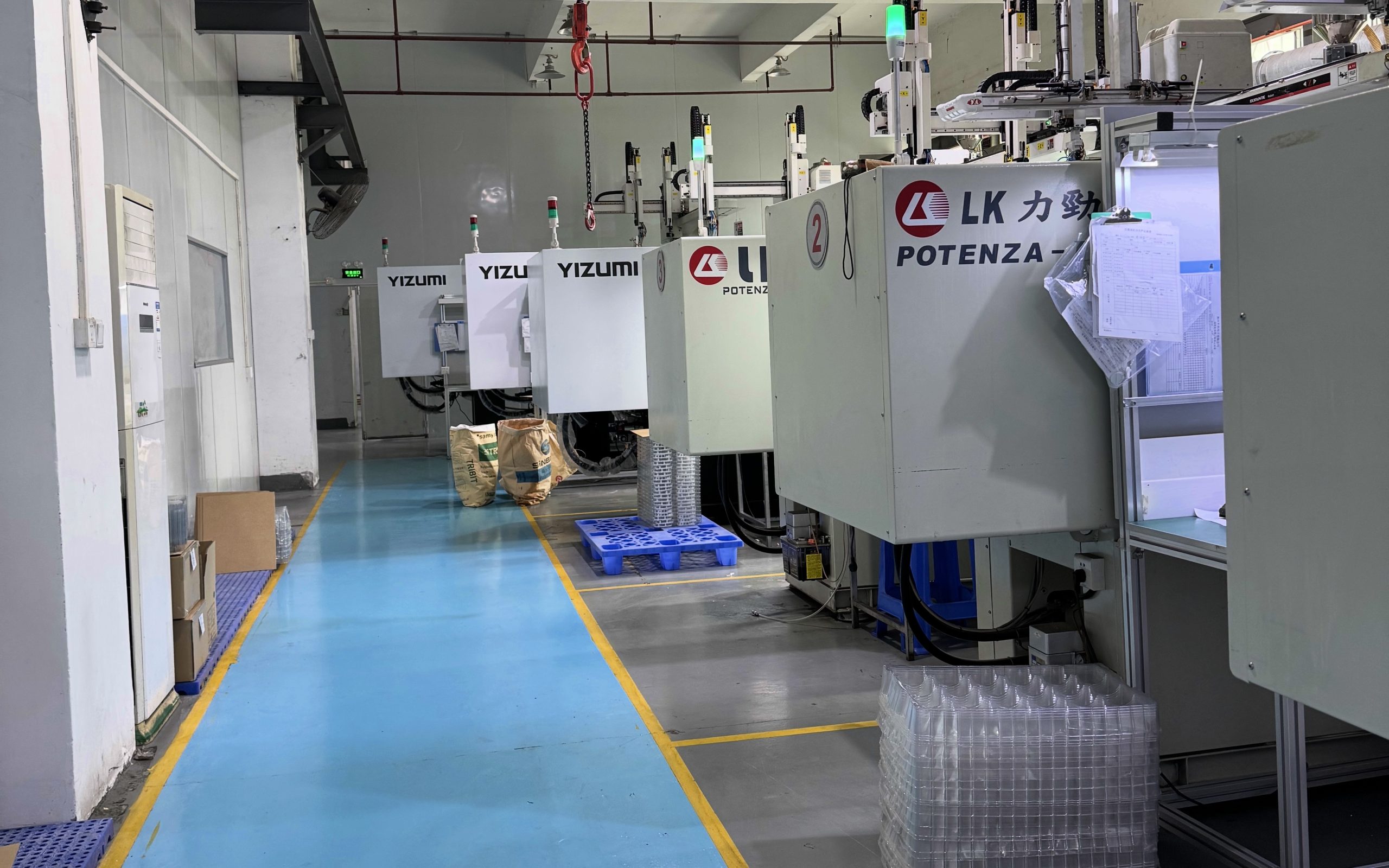
For Original Equipment Manufacturers (OEMs) navigating the complexities of global production, contract manufacturing offers a strategic solution to streamline operations, reduce costs, and enhance product quality. Companies like E-BI, with manufacturing facilities in China, Vietnam, and Thailand, specialize in providing tailored contract manufacturing services to OEMs across industries such as electronics, medical devices, and automotive. But what exactly is contract manufacturing, and how can it benefit your business? This comprehensive guide explores the definition, process, benefits, and key considerations of contract manufacturing, empowering OEMs to make informed decisions about outsourcing production.
What Is Contract Manufacturing?
Contract manufacturing is a business model where an OEM outsources part or all of its production processes to a third-party manufacturer, known as a contract manufacturer (CM). The CM handles manufacturing tasks such as product assembly, component fabrication, or full-scale production, allowing the OEM to focus on core competencies like design, marketing, and distribution. According to industry insights, contract manufacturing accounts for a significant portion of global production, with the market expected to reach $1.2 trillion by 2027 (Grand View Research).
Unlike in-house manufacturing, where the OEM owns and operates production facilities, contract manufacturing leverages the expertise, infrastructure, and economies of scale of specialized manufacturers. For example, E-BI provides end-to-end manufacturing solutions, from PCB assembly to plastic injection molding, enabling OEMs to bring products to market faster and more cost-effectively.
How Does Contract Manufacturing Work?
The contract manufacturing process typically involves several key steps, tailored to the OEM’s needs and the CM’s capabilities. Here’s a breakdown of the process:
1. Needs Assessment and Contract Negotiation
The OEM defines its production requirements, including product specifications, volume, quality standards, and timelines. The CM, such as E-BI, evaluates these needs and proposes a solution, often including cost estimates and production schedules. A detailed contract outlines responsibilities, intellectual property (IP) protections, and quality control measures. Industry standards emphasize the importance of clear contracts to mitigate risks (Thomasnet).
2. Design and Prototyping
The OEM provides product designs, which the CM may refine for manufacturability. Prototyping ensures the product meets specifications before full-scale production. Advanced CMs like E-BI use tools like CAD software and 3D printing to accelerate this phase, reducing time-to-market.
3. Production and Assembly
The CM manufactures components, assembles products, or manages the entire production process, adhering to agreed-upon standards such as ISO 9001 or FDA regulations for medical devices (ISO). Facilities in cost-effective regions like Asia or Mexico, where E-BI operates, offer competitive pricing without compromising quality.
4. Quality Control and Testing
Rigorous quality checks ensure products meet OEM specifications and regulatory requirements. For instance, E-BI employs advanced testing protocols to verify product reliability, particularly for electronics and medical devices (McKinsey).
5. Logistics and Delivery
The CM manages packaging, shipping, and delivery, leveraging global supply chains to ensure timely distribution. Proximity to markets, such as Mexico for North American OEMs, can reduce logistics costs and lead times (NAPS).
Key Benefits of Contract Manufacturing for OEMs
Contract manufacturing offers numerous advantages, making it a popular choice for OEMs worldwide. Here are the top benefits:
- Cost Savings: Outsourcing eliminates the need for capital-intensive facilities, reducing overhead costs. Manufacturing in regions like China or Vietnam, where E-BI operates, offers competitive labor rates, with average wages in China at $6.50/hour and Vietnam at $3.50/hour in 2023 (Tetakawi).
- Scalability: CMs provide flexible production capacity, allowing OEMs to scale up or down based on demand without fixed costs (Forbes).
- Expertise and Technology: CMs like E-BI bring specialized skills and advanced technologies, such as IoT-enabled production lines, enhancing product quality and efficiency.
- Focus on Core Competencies: By outsourcing production, OEMs can prioritize R&D, marketing, and customer engagement, driving innovation and growth.
- Risk Mitigation: CMs handle regulatory compliance, supply chain disruptions, and labor management, reducing risks for OEMs (McKinsey).
Industries That Benefit from Contract Manufacturing
Contract manufacturing serves a wide range of industries, each leveraging the model to address unique challenges:
Electronics
Electronics OEMs rely on CMs for PCB assembly, component sourcing, and high-volume production. E-BI specializes in electronics manufacturing, delivering precision and scalability for products like consumer devices and industrial equipment (Electronics Weekly).
Medical Devices
Medical device OEMs require strict compliance with FDA and ISO 13485 standards. CMs provide cleanroom facilities and regulatory expertise, ensuring product safety and reliability (Medical Design & Outsourcing).
Automotive
Automotive OEMs outsource component production to CMs to meet tight tolerances and just-in-time delivery schedules. Mexico’s automotive manufacturing hub, supported by USMCA, is a key region for cost-effective production (NAPS).
Consumer Goods
From apparel to household products, consumer goods OEMs use CMs to achieve high-volume production at low costs, particularly in Asia’s manufacturing centers like China and Thailand (Thomasnet).
Key Considerations When Choosing a Contract Manufacturer
Selecting the right CM is critical to a successful partnership. OEMs should evaluate the following factors:
- Experience and Expertise: Choose a CM with a proven track record in your industry. E-BI has decades of experience in technical manufacturing, serving electronics, medical, and automotive sectors.
- Quality Certifications: Ensure the CM holds relevant certifications, such as ISO 9001, ISO 13485, or UL, to guarantee product quality and compliance (ISO).
- Geographic Location: Consider proximity to your target market. E-BI’s facilities in China, Vietnam, and Thailand offer cost advantages, while Mexico provides nearshoring benefits for North American OEMs (NAPS).
- IP Protection: Verify the CM’s policies on intellectual property. Regions like Mexico, under USMCA, offer stronger IP safeguards compared to some Asian markets (TACNA).
- Scalability and Flexibility: Ensure the CM can adapt to changing production needs, from small batches to high-volume runs (Forbes).
Challenges of Contract Manufacturing
While contract manufacturing offers significant benefits, it also presents challenges that OEMs must address:
- Communication Barriers: Cultural and language differences, particularly in offshore manufacturing, can lead to misunderstandings. Partnering with an experienced CM like E-BI mitigates this through dedicated account management.
- Quality Control: Ensuring consistent quality across regions requires robust oversight. CMs with advanced testing capabilities, such as E-BI, minimize defects (McKinsey).
- Supply Chain Risks: Global disruptions, like those seen during COVID-19, can impact material availability. Diversified supply chains, as offered by E-BI’s multi-country operations, reduce risks (NAPS).
Why Partner with E-BI for Contract Manufacturing?
E-BI stands out as a trusted contract manufacturing partner, offering end-to-end solutions tailored to OEM needs. With facilities in China, Vietnam, and Thailand, we combine cost-effective production with high-quality standards, supported by certifications like ISO 9001 and ISO 13485. Our expertise spans electronics, medical devices, automotive, and consumer goods, ensuring precision and reliability for every project.
By leveraging Asia’s manufacturing strengths and advanced technologies like IoT and AI, E-BI delivers scalable, sustainable solutions that drive efficiency and innovation. Whether you’re launching a new product or optimizing an existing supply chain, our team is committed to your success.
Transform Your Manufacturing with E-BI
Ready to streamline your production and unlock the benefits of contract manufacturing? E-BI is your trusted partner for cost-effective, high-quality manufacturing solutions. From electronics to medical devices, our global expertise and strategic facilities in China, Vietnam, and Thailand empower OEMs to succeed in competitive markets. Contact us today to explore how we can collaborate to bring your products to life.
Sources
- Grand View Research: Contract Manufacturing Market
- Thomasnet: Contract Manufacturing Guide
- ISO: ISO 9001 Standards
- McKinsey: The Future of Manufacturing
- NAPS: Nearshoring Mexico vs. China
- Forbes: Benefits of Contract Manufacturing
- Electronics Weekly: Contract Manufacturing Trends
- Medical Design & Outsourcing: Medical Device Manufacturing
- Tetakawi: Manufacturing Wages
- TACNA: Mexico vs. China Manufacturing