

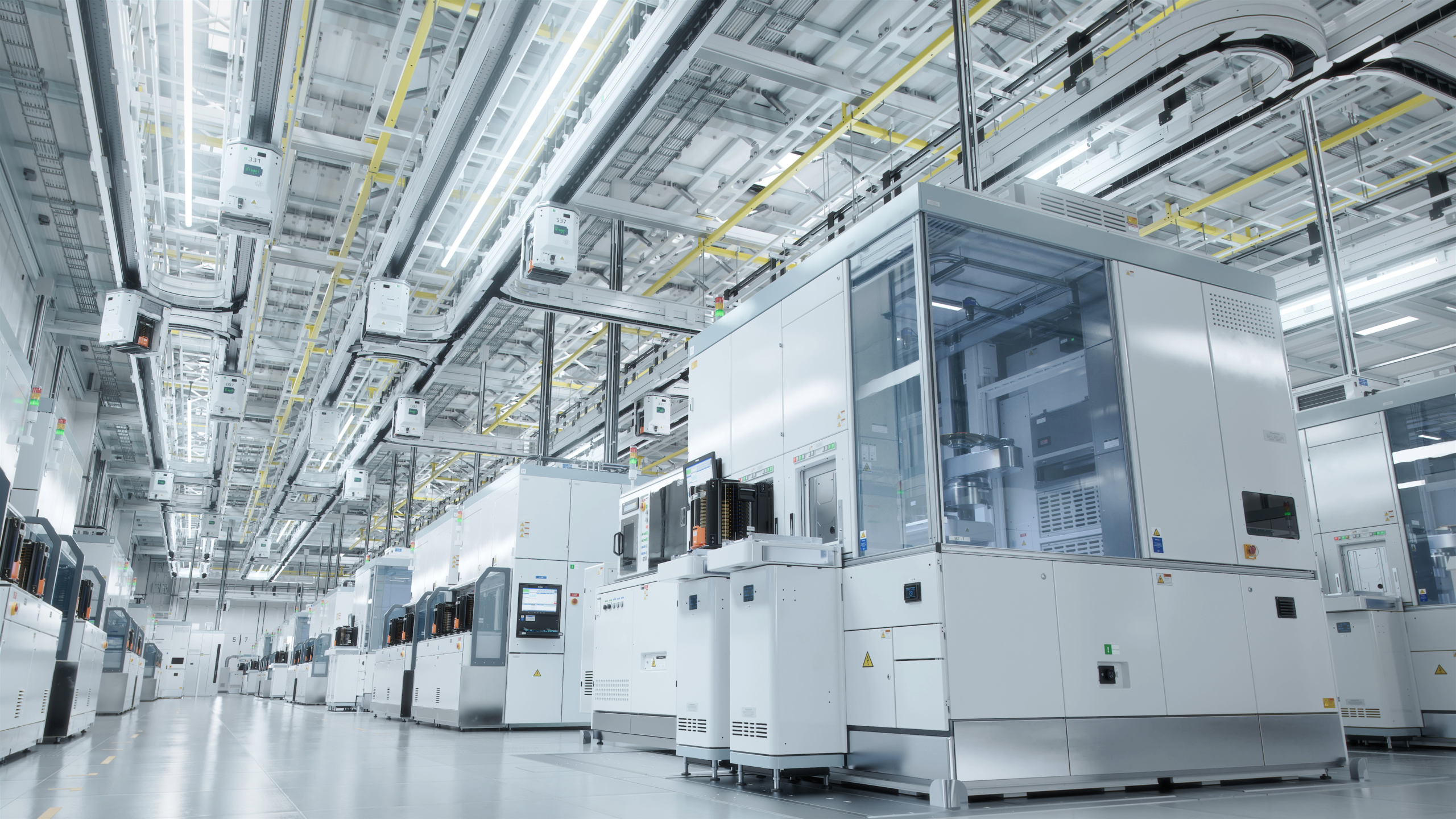
The Internet of Things (IoT) is revolutionizing industries worldwide, and manufacturing is at the forefront of this transformation. By 2030, IoT devices are expected to reshape global manufacturing through enhanced automation, data-driven decision-making, and optimized supply chains. E-BI, a leading technical manufacturing company with facilities in China, Vietnam, and Thailand, is driving this change by producing the critical components that power IoT-enabled smart manufacturing. This article explores the four key drivers behind IoT’s impact on global manufacturing and how E-BI’s expertise positions it as a vital partner in this evolution.
1. Real-Time Data and Predictive Maintenance
IoT devices enable real-time data collection from manufacturing equipment, providing insights into performance, wear, and potential failures. Sensors embedded in machinery monitor variables like temperature, vibration, and output, allowing manufacturers to predict maintenance needs before breakdowns occur. According to PwC, predictive maintenance powered by IoT can reduce downtime by up to 50% and extend equipment life by 20-40%.
E-BI manufactures high-precision sensors and connectivity modules that enable IoT-driven predictive maintenance. Our facilities produce components like vibration sensors and industrial-grade Wi-Fi modules, ensuring reliable data transmission in harsh manufacturing environments. By partnering with E-BI, companies can integrate IoT solutions that minimize disruptions and boost operational efficiency, setting the stage for smarter factories by 2030.
2. Automation and Smart Factories
IoT devices are the backbone of smart factories, where interconnected machines and systems communicate seamlessly to optimize production. Automated guided vehicles (AGVs), robotic arms, and IoT-enabled assembly lines work together to enhance precision and speed. A report by IDC forecasts that IoT spending in manufacturing will reach $400 billion by 2030, driven by investments in automation and Industry 4.0 technologies.
At E-BI, we produce the microcontrollers, sensors, and wireless modules that power smart factory systems. Our manufacturing facilities in China, Vietnam, and Thailand are equipped to deliver these components at scale, supporting the transition to fully automated production lines. E-BI’s expertise helps manufacturers create IoT-driven systems that increase throughput and reduce labor costs, redefining global manufacturing efficiency.
3. Optimized Supply Chain Management
IoT devices are transforming supply chain management by providing end-to-end visibility and real-time tracking. Smart sensors on raw materials, components, and finished goods monitor location, condition, and delivery status, enabling manufacturers to optimize inventory and reduce waste. According to McKinsey, IoT-enabled supply chains can reduce logistics costs by 15% and improve delivery times by up to 20%.
E-BI supports this trend by manufacturing IoT components like RFID tags, GPS trackers, and low-power connectivity modules. Our global presence across China, Vietnam, and Thailand ensures a resilient supply chain, allowing us to deliver components quickly and cost-effectively. By collaborating with E-BI, manufacturers can build IoT solutions that streamline supply chains and enhance competitiveness in a rapidly evolving market.
4. Sustainability and Energy Efficiency
IoT devices are driving sustainability in manufacturing by optimizing energy use and reducing environmental impact. Smart energy management systems monitor consumption across factories, identifying inefficiencies and enabling renewable energy integration. For instance, IoT sensors can adjust machinery power usage based on demand, cutting energy waste. A study by International Energy Agency suggests that IoT-driven energy management could reduce industrial energy consumption by 10-20% by 2030.
E-BI manufactures energy-efficient IoT components, such as low-power sensors and smart metering chips, that support sustainable manufacturing. Our facilities adhere to strict environmental standards, ensuring that our production processes align with global sustainability goals. By partnering with E-BI, companies can develop IoT solutions that not only enhance efficiency but also contribute to a greener future.
E-BI’s Role in the IoT Manufacturing Revolution
The integration of IoT devices into manufacturing requires advanced technical expertise, scalable production, and a commitment to quality. E-BI delivers on all fronts, offering end-to-end manufacturing solutions for IoT components. From sensors and microcontrollers to wireless modules and energy-efficient chips, our facilities in China, Vietnam, and Thailand are equipped to meet the demands of the smart manufacturing era.
We provide value-added services like design-for-manufacturing (DFM) support, helping clients optimize IoT components for performance and cost. Our global supply chain ensures flexibility and resilience, enabling us to deliver high-quality components on time, even in volatile markets. With E-BI as a partner, manufacturers can confidently embrace IoT technologies to redefine their operations by 2030.
Partner with E-BI to Shape the Future of Manufacturing
By 2030, IoT devices will have transformed global manufacturing through real-time data, automation, optimized supply chains, and sustainable practices. As this revolution unfolds, partnering with a trusted manufacturer is critical to harnessing the full potential of IoT technologies.
At E-BI, we are ready to collaborate with innovative companies to build the IoT-driven factories of the future. Our global manufacturing expertise and focus on quality make us the ideal partner for creating the components that power smart manufacturing. Contact E-BI today to explore how we can help you lead the charge in redefining global manufacturing by 2030.