

Introduction
Driver 1: Tight Tolerances and Dimensional Accuracy
High-precision casings for consumer devices require dimensional accuracy to ensure seamless assembly, reliable performance, and a premium user experience. Plastic injection molding excels in producing parts with tight tolerances, often within ±0.01 mm, making it ideal for components like smartphone housings and laptop chassis. According to McKinsey & Company, precision manufacturing is critical for consumer electronics, where even minor deviations can lead to functional or aesthetic defects.
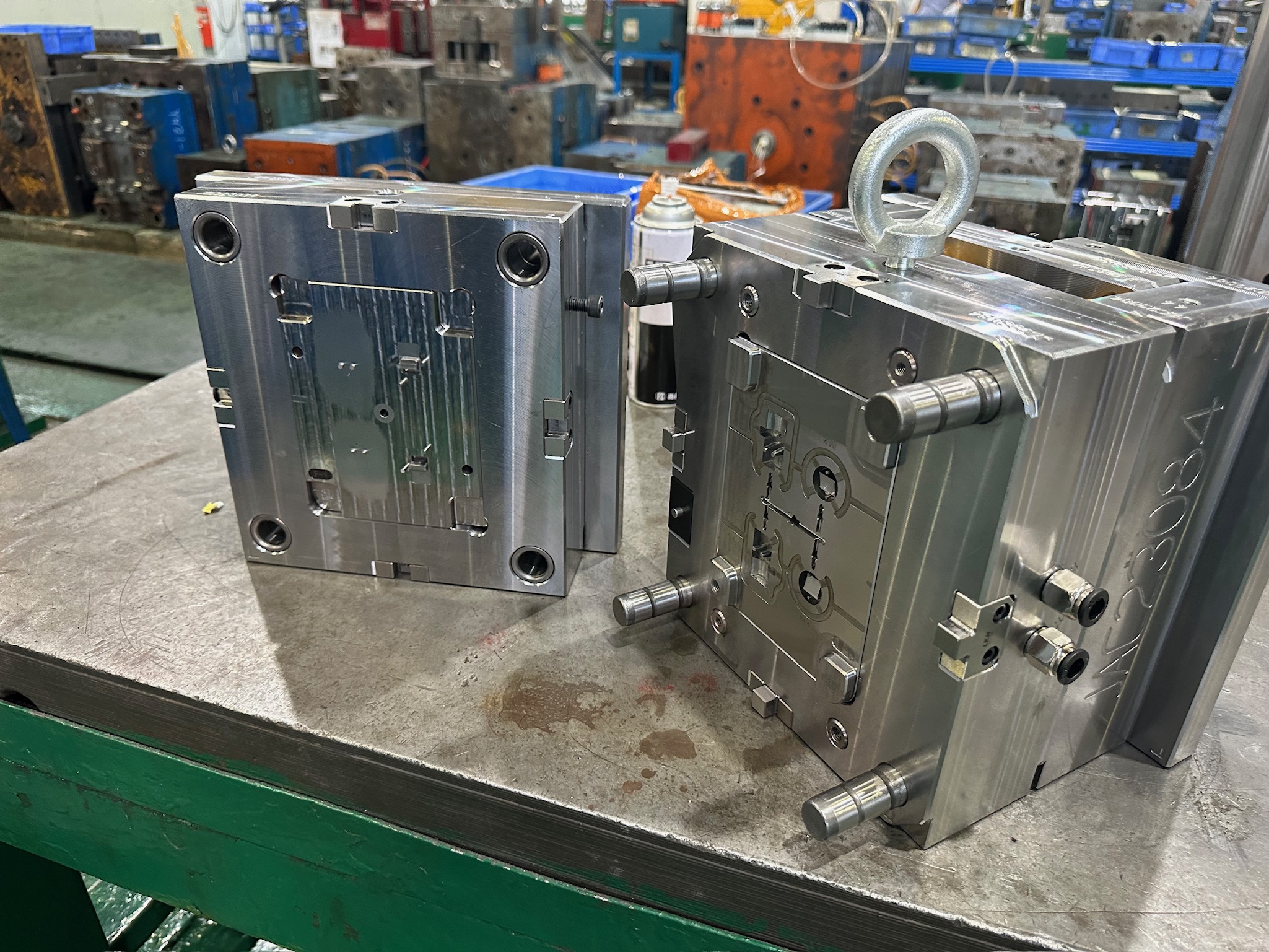
At E-BI, we utilize advanced molding technologies, such as computer numerical control (CNC) machining for mold creation and in-process monitoring, to achieve exceptional accuracy. Our facilities in China and Vietnam are equipped with high-precision injection molding machines that produce casings with consistent wall thickness and smooth surfaces. This ensures that components fit perfectly with internal electronics, such as circuit boards and displays, while maintaining structural integrity under daily use.
For example, injection-molded casings for wireless earbuds require precise alignment for buttons and charging ports. E-BI’s expertise in mold flow analysis and quality control ensures that every part meets exact specifications, reducing reject rates and accelerating time-to-market. By partnering with E-BI, manufacturers can deliver consumer devices that meet the highest standards of precision and reliability.
Driver 2: Material Versatility and Performance
The choice of materials is a critical factor in producing high-precision casings that balance strength, weight, and aesthetics. High-performance thermoplastics, such as acrylonitrile butadiene styrene (ABS), polycarbonate (PC), and polyamide (PA), offer the durability and flexibility needed for consumer devices. These materials can be enhanced with additives like UV stabilizers or flame retardants to meet specific performance requirements, as noted by Boston Consulting Group.
E-BI’s material expertise enables us to tailor plastic formulations for specific applications, such as impact-resistant casings for rugged tablets or lightweight housings for wearable devices. Our manufacturing hubs in Thailand and China support a wide range of materials, including glass-filled polymers for added strength and bio-based plastics for sustainability. This versatility allows us to produce casings that withstand drops, scratches, and environmental exposure while maintaining a sleek, premium finish.
Additionally, injection molding supports the integration of functional features, such as EMI shielding through conductive coatings or molded-in textures for improved grip. E-BI collaborates with clients to select materials that align with their design goals and regulatory requirements, ensuring that casings enhance both performance and brand appeal in consumer devices.
Driver 3: Aesthetic Customization and Surface Finish
In the consumer electronics market, aesthetics play a pivotal role in differentiating products. Plastic injection molding enables a wide range of surface finishes, from glossy to matte, and custom textures that enhance visual appeal and tactile experience. Techniques like in-mold decoration (IMD) and overmolding allow manufacturers to create casings with vibrant colors, patterns, or soft-touch surfaces, as emphasized by Deloitte.
E-BI’s facilities in Vietnam, Thailand, and China are equipped to deliver customized casings that meet the aesthetic demands of consumer devices. For instance, we produce smartphone casings with seamless finishes that eliminate visible parting lines, creating a premium look and feel. Our expertise in secondary processes, such as laser etching and painting, allows us to add logos, patterns, or anti-slip textures to casings, enhancing brand identity.
Customization extends to functional aesthetics, such as transparent windows for LED indicators or tactile button surfaces. E-BI’s design-for-manufacturability (DFM) approach ensures that aesthetic features are integrated without compromising production efficiency or part durability. By leveraging our molding capabilities, manufacturers can create casings that stand out in crowded markets while maintaining cost-effectiveness.
Driver 4: Scalability and Cost-Effective Production
The consumer electronics industry demands high-volume production to meet global demand, often with rapid product cycles. Plastic injection molding offers unmatched scalability, enabling manufacturers to produce millions of casings with consistent quality and minimal waste. According to PwC, injection molding reduces production costs by up to 20% compared to alternative methods like CNC machining for high-volume runs.
E-BI’s manufacturing facilities in China, Vietnam, and Thailand are optimized for scalability, with automated production lines and multi-cavity molds that maximize output. For example, we produce casings for smartwatches in large quantities, ensuring uniformity across batches while meeting tight delivery schedules. Our rapid tooling capabilities also support low-volume runs for prototypes or niche products, providing flexibility for startups and established brands alike.
Cost efficiency is further enhanced by the durability of injection-molded casings, which reduces warranty claims and replacement costs. E-BI’s rigorous quality assurance processes, including dimensional inspections and stress testing, ensure that casings meet industry standards, such as IP ratings for dust and water resistance. By partnering with E-BI, manufacturers can achieve economies of scale while delivering high-quality consumer devices to market.
Conclusion
Plastic injection molding is a cornerstone of high-precision casings for consumer devices, driven by tight tolerances, material versatility, aesthetic customization, and scalable production. These four drivers enable manufacturers to create casings that combine functionality, durability, and visual appeal, meeting the demands of today’s competitive electronics market. At E-BI, we bring these drivers to life through our advanced injection molding capabilities in China, Vietnam, and Thailand, delivering tailored solutions that empower businesses to innovate and succeed.
Whether you’re launching a new smartphone or scaling production of wearable devices, E-BI is your trusted partner for precision manufacturing. Our expertise in injection molding ensures that your casings meet the highest standards of quality and performance. Visit E-BI.com to explore how we can collaborate to bring your consumer devices to market with casings that captivate and endure.