

Introduction
Driver 1: Superior Material Properties
High-performance plastics, such as polyamide (PA), polyetheretherketone (PEEK), and polyphenylene sulfide (PPS), offer mechanical properties that make them viable substitutes for metal in machinery components. These materials provide high tensile strength, excellent wear resistance, and low friction, ideal for parts like bearings, gears, and structural supports. For example, PEEK components can operate at temperatures up to 250°C and resist chemical degradation, outperforming steel in harsh environments, as noted by McKinsey & Company.
At E-BI, we specialize in processing advanced thermoplastics to produce machinery parts that meet or exceed metal performance. Our facilities in China and Vietnam use reinforced plastics, such as glass- or carbon-fiber-filled PA, to enhance strength and stiffness while maintaining lightweight properties. For instance, we manufacture injection-molded bushings for heavy machinery that reduce weight by up to 60% compared to metal, improving energy efficiency without sacrificing durability.
These plastics also offer inherent advantages, such as self-lubrication, which eliminates the need for external lubricants, and corrosion resistance, which extends component lifespan in humid or chemical-heavy environments. E-BI’s material expertise ensures that each part is tailored to specific application needs, enabling manufacturers to replace metal components with confidence in performance and reliability.
Driver 2: Precision and Design Flexibility
Plastic injection molding allows for the production of complex geometries with tight tolerances, enabling the creation of intricate machinery parts that are difficult or costly to achieve with metal. This precision is critical for components like impellers, valve bodies, or custom brackets, where exact dimensions ensure optimal performance. According to Boston Consulting Group, the design flexibility of injection molding drives innovation in machinery by enabling part consolidation and lightweight designs.
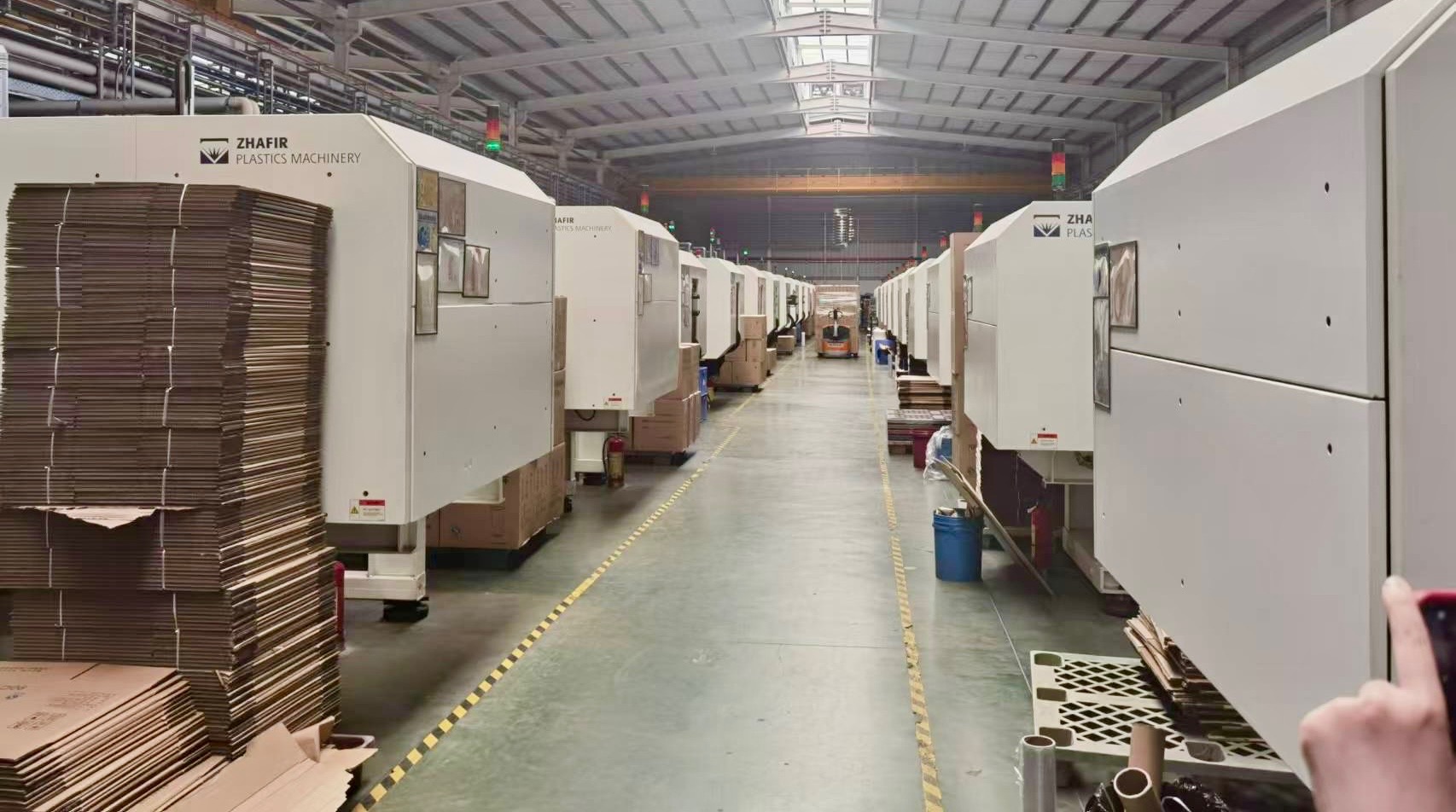
E-BI’s facilities in Thailand and China are equipped with advanced molding technologies, including multi-cavity molds and insert molding, to produce high-precision parts with tolerances as low as ±0.02 mm. For example, we manufacture injection-molded valve components with integrated sealing features, reducing assembly steps and potential failure points compared to metal equivalents. Our expertise in mold flow analysis ensures defect-free parts, even for complex designs with thin walls or undercuts.
Design flexibility also allows for the integration of functional features, such as molded-in threads or mounting points, which streamline assembly and enhance part functionality. E-BI collaborates with clients to optimize designs for manufacturability, ensuring that plastic parts meet rigorous performance standards while reducing weight and production complexity. This driver is particularly valuable for machinery applications requiring customized or lightweight solutions.
Driver 3: Cost Efficiency and Scalability
Replacing metal parts with high-performance plastics offers significant cost advantages, particularly in high-volume production. While advanced plastics may have higher material costs, injection molding’s low per-unit costs, minimal waste, and fast cycle times result in substantial savings compared to metal machining or casting. According to Deloitte, injection-molded plastic components can reduce manufacturing costs by up to 30% for machinery applications, especially when replacing steel or aluminum.
E-BI’s manufacturing hubs in China, Vietnam, and Thailand are optimized for scalability, with automated production lines and rapid tooling capabilities that support both high- and low-volume runs. For example, we produce injection-molded sprockets for conveyor systems in large quantities, ensuring consistent quality and cost efficiency. Our flexible processes also accommodate low-volume production for custom or prototype parts, making plastic replacement accessible to niche machinery manufacturers.
The durability of high-performance plastics further enhances cost efficiency by reducing maintenance and downtime. Unlike metal parts, which may corrode or require frequent lubrication, plastic components are resistant to environmental factors and often self-lubricating. E-BI’s rigorous quality control, including mechanical testing and dimensional inspections, ensures that every part meets industry standards, delivering long-term value to machinery manufacturers.
Driver 4: Sustainability and Weight Reduction
Sustainability is a growing priority in machinery manufacturing, driven by environmental regulations and customer demand for eco-friendly solutions. High-performance plastics contribute to sustainability by reducing component weight, which lowers energy consumption in machinery operation. Additionally, many thermoplastics are recyclable, aligning with circular economy principles. Research from PwC indicates that replacing metal with plastics can reduce a machine’s carbon footprint by up to 25% through weight reduction and efficient manufacturing.
E-BI’s facilities in China, Vietnam, and Thailand prioritize sustainable manufacturing practices, using energy-efficient processes and incorporating recycled or bio-based plastics where applicable. For example, we produce injection-molded structural supports for agricultural machinery using recycled PA, reducing material costs and environmental impact. Our lightweight plastic parts, such as pump housings, improve machinery efficiency by minimizing energy requirements during operation.
Beyond weight reduction, plastic parts enhance sustainability through their resistance to corrosion and wear, extending service life and reducing the need for replacements. E-BI’s commitment to environmental standards ensures that our manufacturing processes comply with global regulations, helping clients meet sustainability goals while delivering high-performance machinery components.
Conclusion
Replacing metal parts with high-performance plastics in machinery is driven by superior material properties, precision design flexibility, cost-effective scalability, and sustainability benefits. These four drivers enable manufacturers to create lightweight, durable, and innovative components that enhance machinery performance while reducing costs and environmental impact. At E-BI, we bring these drivers to life through our advanced injection molding capabilities in China, Vietnam, and Thailand, delivering tailored solutions that empower businesses to stay competitive in dynamic industrial markets.
Whether you’re optimizing agricultural equipment or developing next-generation industrial machinery, E-BI is your trusted partner for precision manufacturing. Our expertise in high-performance plastics ensures that your components deliver exceptional reliability and efficiency. Visit E-BI.com to explore how we can collaborate to replace metal parts with plastic solutions that drive your machinery forward.