

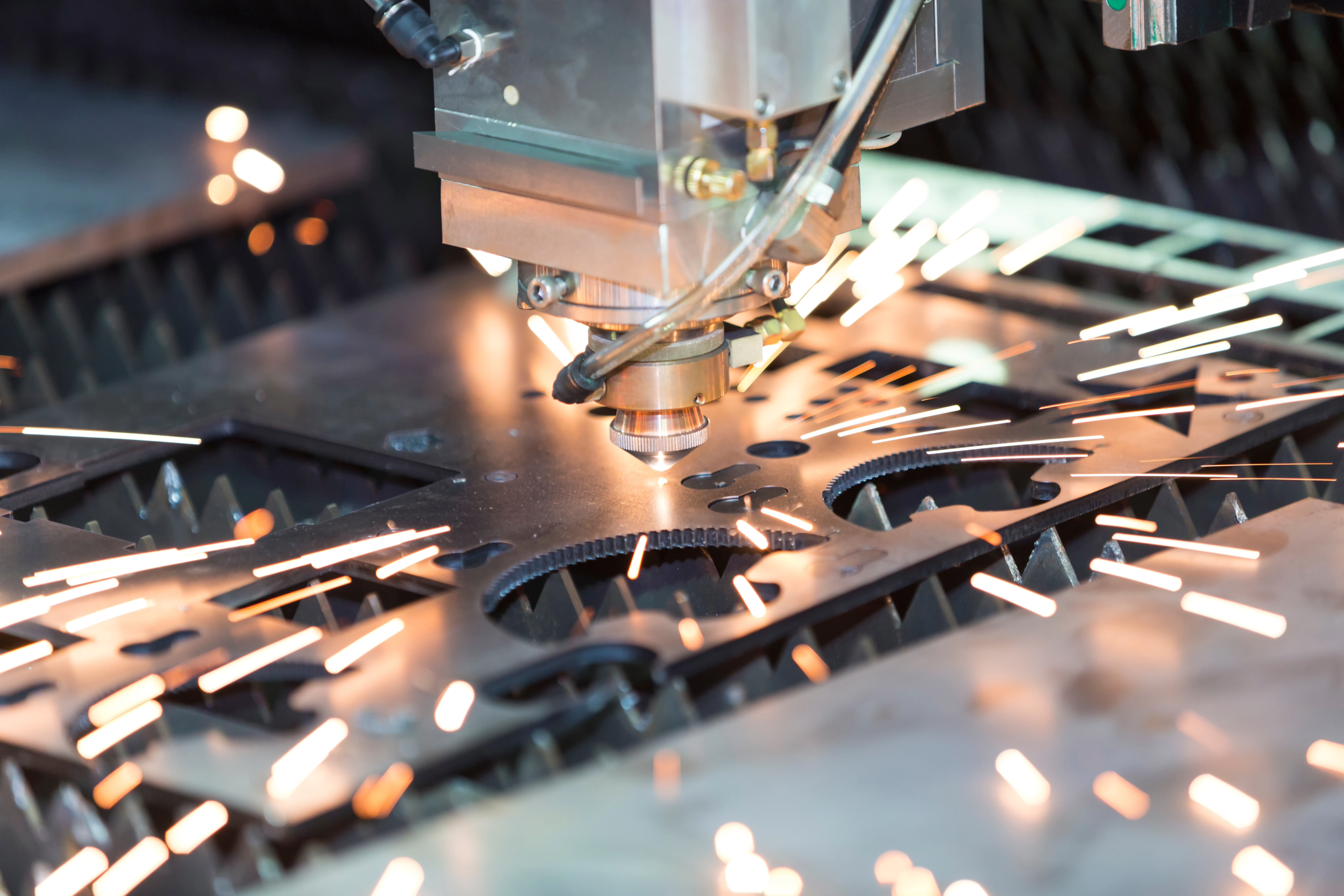
Autonomous robotics is transforming industries, from manufacturing to logistics, by enabling machines to perform complex tasks with precision and reliability. Sheet metal fabrication plays a critical role in this revolution, providing the strong, lightweight structures needed for durable robotic frameworks. As a global leader in technical manufacturing, E-BI leverages its facilities in China, Vietnam, and Thailand to produce high-quality sheet metal components that power stronger robots. This article explores the importance of sheet metal fabrication in robotics and how E-BI’s expertise drives innovation in this dynamic field.
The Importance of Sheet Metal Fabrication in Robotics
Sheet metal fabrication involves cutting, bending, and assembling metal sheets to create structural components. The global robotics market, valued at USD 40.1 billion in 2023, is expected to grow at a CAGR of 15.2% through 2030, driven by demand for robust automation solutions Grand View Research. Sheet metal fabrication is essential for producing robotic chassis, enclosures, and support structures that combine strength, lightweight design, and precision.
Why Sheet Metal Fabrication Matters
Sheet metal fabrication offers unique advantages for robotics. Metals like aluminum, steel, and titanium provide high strength-to-weight ratios, ideal for robotic frames that must withstand mechanical stress while remaining lightweight Jabil. Techniques like laser cutting, stamping, and welding enable the creation of complex shapes with tight tolerances, ensuring structural integrity and precise fitment.
Applications in Robotics
Sheet metal components are used in robotic chassis, motor housings, and mounting brackets. For example, lightweight aluminum enclosures protect sensitive electronics in service robots, while steel frames provide durability for industrial robotic arms Manufacturing Tomorrow. These components must endure vibrations, impacts, and environmental factors, making sheet metal’s strength critical.
Balancing Strength and Weight
Robots require components that are both strong and lightweight to optimize performance and energy efficiency. Sheet metal fabrication allows manufacturers to achieve this balance by using thin, high-strength materials and advanced forming techniques Assembly Magazine.
E-BI’s Sheet Metal Fabrication Expertise
E-BI’s manufacturing facilities in China, Vietnam, and Thailand are equipped with advanced sheet metal fabrication technologies, including laser cutting, CNC bending, and robotic welding, to deliver robust robotic components. Our expertise ensures precision, scalability, and cost-efficiency.
Precision Fabrication Techniques
Our state-of-the-art equipment, such as high-precision laser cutters and CNC press brakes, enables the production of complex sheet metal parts with tolerances as tight as 0.1 mm. These capabilities are critical for robotic components like chassis and brackets, ensuring seamless integration and durability The Robot Report. Automated welding ensures strong, consistent joints for structural reliability.
Material and Process Optimization
E-BI works with a range of metals, including aluminum, stainless steel, and galvanized steel, selected for their strength, corrosion resistance, and weight properties. Our expertise in surface treatments, like powder coating, enhances durability and aesthetics Foundry Management & Technology. We optimize fabrication processes to minimize waste, aligning with sustainability goals.
Regional Manufacturing Advantages
China’s advanced manufacturing infrastructure provides access to cutting-edge fabrication technologies and skilled engineers, driving innovation in robotics components. Vietnam and Thailand offer cost-effective production and robust supply chains, enabling E-BI to meet global demand with efficiency IndustryWeek.
Challenges in Sheet Metal Fabrication for Robotics
Sheet metal fabrication for robotics faces challenges, including material selection, cost management, and integration with IoT systems. High-strength metals like titanium can be costly, while complex designs require precise tooling Wiley. Additionally, incorporating IoT-enabled components, such as sensors, adds manufacturing complexity Automation World.
Overcoming Fabrication Challenges
E-BI addresses these challenges through strategic material selection, balancing cost and performance with alloys like aluminum. Our advanced tooling and simulation reduce production costs, while our expertise in IoT integration ensures seamless incorporation of smart features into sheet metal components.
Building Stronger Robots with E-BI
Sheet metal fabrication is a cornerstone of robotics production, providing the strong, lightweight structures needed for autonomous systems. E-BI’s manufacturing expertise in China, Vietnam, and Thailand delivers high-quality sheet metal components that empower robotics innovation, from durable chassis to precise brackets.
For robotics companies aiming to build stronger, more reliable robots, partnering with E-BI offers a strategic edge. Our advanced fabrication capabilities and regional strengths can bring your robotic solutions to market with unmatched quality and efficiency. Connect with E-BI today to drive the future of robotics.
Sources
- Grand View Research: Robotics Technology Market
- Jabil: Robotics Manufacturing Trends
- Manufacturing Tomorrow: Sheet Metal Fabrication in Robotics
- Assembly Magazine: Sheet Metal for Robotics
- The Robot Report: Sheet Metal Fabrication in Robotics
- Foundry Management & Technology: Sheet Metal for Robotics
- IndustryWeek: Robust Robotics Manufacturing
- Wiley: Robotics Manufacturing Challenges
- Automation World: IoT in Robotics Fabrication