

Introduction
Driver 1: Rapid Tooling for Cost-Effective Customization
Rapid mold tooling is a game-changer for low-volume production, allowing manufacturers to create custom molds quickly and affordably compared to traditional steel tooling. Using materials like aluminum or soft steel, rapid tooling reduces lead times from months to weeks, making it ideal for prototyping, niche applications, or small-batch production. According to McKinsey & Company, rapid tooling can cut tooling costs by up to 50% for low-volume runs, enabling greater flexibility in industrial enclosure design.
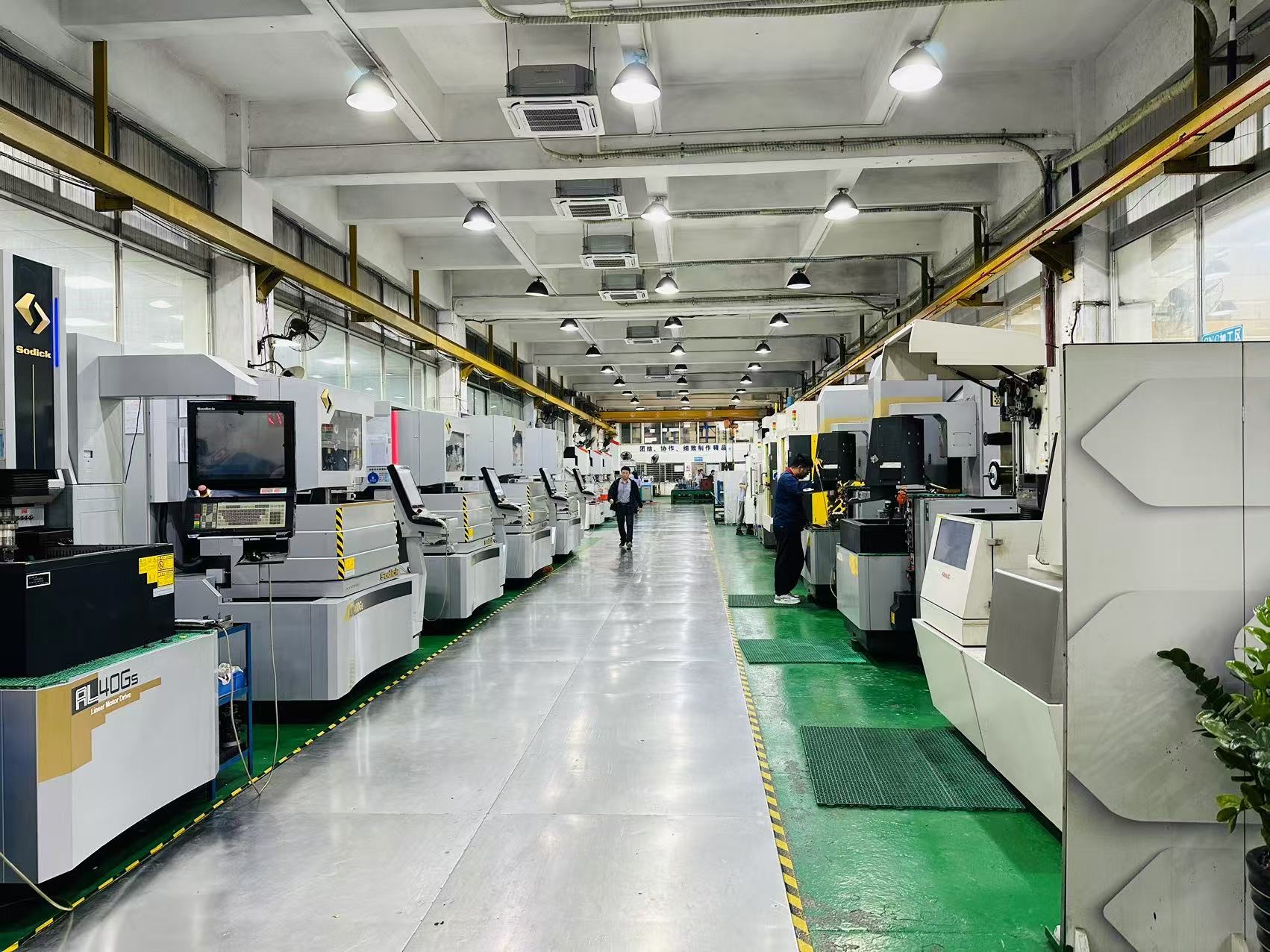
At E-BI, we leverage rapid tooling to produce custom industrial enclosures tailored to specific applications, such as control panels for factory automation or housings for IoT gateways. Our facilities in China and Vietnam are equipped with advanced CNC machining and 3D printing technologies to create high-quality molds in as little as one to two weeks. This allows us to deliver enclosures with complex features, like integrated mounting points or ventilation slots, without the high upfront costs associated with conventional tooling.
Rapid tooling also supports iterative design, enabling manufacturers to test and refine enclosure designs before scaling production. E-BI collaborates with clients to optimize mold designs for low-volume runs, ensuring that custom enclosures meet performance requirements while minimizing costs. This driver is particularly valuable for startups or industries with specialized needs, where flexibility and speed are critical.
Driver 2: Precision Molding for Functional Designs
Industrial enclosures require precise geometries to house sensitive electronics, ensure environmental protection, and integrate with existing systems. Plastic injection molding, combined with rapid tooling, delivers enclosures with tight tolerances, typically within ±0.05 mm, ensuring reliable performance in demanding applications. For example, enclosures for telecommunications equipment must feature precise cutouts for connectors and seals to achieve IP65 or higher ratings, as noted by Boston Consulting Group.
E-BI’s facilities in Thailand and China utilize high-precision injection molding machines and mold flow analysis to produce low-volume enclosures with consistent quality. Our expertise in rapid tooling enables us to create molds that support complex designs, such as enclosures with molded-in hinges, latches, or EMI shielding layers. For instance, we manufacture custom enclosures for industrial sensors with watertight seals and robust walls, protecting components from dust, moisture, and vibration.
Precision molding also allows for functional integration, where features like cable management channels or thermal vents are incorporated into a single molded part, reducing assembly time and costs. E-BI’s design-for-manufacturability (DFM) approach ensures that enclosure designs are optimized for both performance and production efficiency, delivering low-volume solutions that meet stringent industry standards.
Driver 3: Material Versatility for Diverse Applications
The choice of materials is critical for industrial enclosures, which must withstand environmental challenges like UV exposure, chemicals, or extreme temperatures. High-performance thermoplastics, such as polycarbonate (PC), polyamide (PA), and acrylonitrile butadiene styrene (ABS), offer durability, impact resistance, and customization options for low-volume enclosures. According to Deloitte, advanced plastics are increasingly replacing metal enclosures in industrial applications due to their versatility and cost advantages.
E-BI’s material expertise enables us to select and process thermoplastics tailored to specific enclosure requirements. Our facilities in China, Vietnam, and Thailand support a wide range of materials, including flame-retardant PC for electrical enclosures and UV-stabilized PA for outdoor applications. For example, we produce low-volume enclosures for renewable energy systems using PC-ABS blends that combine strength with lightweight design, ensuring long-term reliability in harsh conditions.
Material versatility also extends to aesthetic and functional enhancements, such as textured surfaces for grip or conductive coatings for EMI shielding. E-BI collaborates with clients to develop enclosures that meet both technical and branding needs, leveraging rapid tooling to test material options during low-volume production. This flexibility ensures that custom enclosures deliver optimal performance across diverse industrial applications.
Driver 4: Speed-to-Market and Scalability
In fast-paced industrial markets, speed-to-market is a competitive advantage, particularly for low-volume or custom applications. Rapid mold tooling, combined with plastic injection molding, enables manufacturers to move from design to production in a fraction of the time required for traditional methods. Research from PwC indicates that rapid tooling can reduce product development cycles by up to 40%, accelerating market entry for specialized enclosures.
E-BI’s manufacturing hubs in China, Vietnam, and Thailand are optimized for rapid prototyping and low-volume production, with streamlined processes that minimize lead times. Our rapid tooling capabilities allow us to produce molds and deliver initial enclosure batches in as little as two to three weeks, supporting applications like custom control boxes for robotics or enclosures for medical diagnostic equipment. For clients anticipating future growth, our processes are designed to scale seamlessly, transitioning from low-volume aluminum molds to high-volume steel molds as demand increases.
The durability and consistency of injection-molded enclosures further enhance their value, reducing the need for costly redesigns or replacements. E-BI’s rigorous quality assurance, including environmental testing and dimensional inspections, ensures that low-volume enclosures meet industry standards, such as UL and IEC requirements. By partnering with E-BI, manufacturers can achieve rapid market entry while maintaining the flexibility to scale production as needed.
Conclusion
Low-volume custom industrial enclosures, produced with rapid mold tooling and plastic injection molding, offer a powerful solution for specialized applications, driven by cost-effective customization, precision molding, material versatility, and speed-to-market. These four drivers enable manufacturers to create durable, functional enclosures that meet the unique demands of industrial systems while minimizing costs and lead times. At E-BI, we bring these drivers to life through our advanced manufacturing capabilities in China, Vietnam, and Thailand, delivering tailored solutions that empower businesses to innovate and succeed.
Whether you’re developing enclosures for automation equipment or telecommunications systems, E-BI is your trusted partner for low-volume manufacturing. Our expertise in rapid tooling and injection molding ensures that your custom enclosures deliver exceptional performance and reliability. Visit E-BI.com to explore how we can collaborate to create industrial enclosures that accelerate your projects and drive competitive advantage.